
Maintaining a household can feel overwhelming without a clear plan, but a well-organized chore list is your secret weapon to staying on top of tasks. From daily tidying to weekly deep cleans, a structured approach not only reduces stress but also allows for effective delegation, making your home a more harmonious space. For inspiration and custom solutions that fit your lifestyle, explore InktasticMerch.
Why You Need a Household Chores List
Maintaining a household involves numerous tasks, from daily tidying to regular deep cleaning. Without a structured approach, these responsibilities can feel overwhelming, leading to procrastination and stress. A well-organized chore list serves as a powerful tool to manage these tasks effectively. It externalizes the mental load of remembering everything that needs to be done, allowing you to focus on execution. The satisfaction of marking off completed tasks provides a sense of accomplishment and boosts motivation. A significant advantage of having a list is the ability to delegate responsibilities. This is particularly useful in family settings, where tasks can be shared among partners and children, teaching valuable life skills to the younger ones. Age-appropriate chores for preschoolers, for instance, might include tidying toys, setting the table, or assisting with wiping counters. Implementing a chore list also ensures that tasks are completed in a timely manner, preventing the accumulation of unaddressed chores like unwashed dishes or overdue laundry. Ultimately, a structured approach to household tasks reduces overall stress by clarifying responsibilities and timelines, leading to a more harmonious living environment.
<img class="filer_image
" alt="unnamed file" loading="lazy" src="https://inktasticmerch.com/wp-content/uploads/2025/12/47586d92-f216-4d86-8339-428b274aa902-jpg826x1238_q85_crop_subsampling-2_upscale.jpg” title=”47586d92-f216-4d86-8339-428b274aa902-jpg826x1238_q85_crop_subsampling-2_upscale”>
The Frequency of Household Chores
Effectively managing household chores involves understanding the varying frequencies required for different tasks. Some tasks, like making the bed or tidying the kitchen, are best handled daily to maintain order. Others, such as deep cleaning or extensive laundry, may only be necessary weekly or monthly. Establishing a chore chart that categorizes tasks by their required frequency—daily, weekly, and monthly—is crucial for a balanced and manageable cleaning routine.
List of Daily Chores
These are the essential household tasks that contribute to the day-to-day upkeep and order of your home. Incorporating them into your daily routine can prevent clutter and maintain a pleasant living environment.
- Making the beds promptly upon waking.
- Washing dishes after each meal to prevent buildup.
- Sweeping high-traffic floors to remove daily debris.
- Taking out the trash and recycling as needed.
- Wiping down kitchen countertops and other frequently used surfaces.
- Packing school lunches, if applicable, to streamline mornings.
- Basic meal preparation for the day.
- Walking family pets and ensuring their exercise needs are met.
- Feeding pets and ensuring they have access to fresh water.
- Decluttering main living areas by putting items back in their place.
- Checking the mail and sorting it promptly.
Beyond general household maintenance, daily chores may also include personal responsibilities, such as organizing study materials for students or overseeing a toddler’s bath time and bedtime routine. The key to successfully managing daily chores is to integrate them seamlessly into your existing routine, transforming them into habits. For instance, making the bed immediately after waking or clearing the dishes right after a meal makes these tasks less of a burden.
<img class="filer_image
" alt="unnamed file" loading="lazy" src="https://inktasticmerch.com/wp-content/uploads/2025/12/5726dbab-b548-4691-ab6c-a98f478bb457-jpg896x1344_q85_crop_subsampling-2_upscale.jpg” title=”5726dbab-b548-4691-ab6c-a98f478bb457-jpg896x1344_q85_crop_subsampling-2_upscale”>
List of Weekly Chores
These tasks require more time and attention than daily chores and are essential for maintaining a deeper level of cleanliness and order in your home. Spreading these tasks throughout the week can prevent them from becoming overwhelming.
- Thorough cleaning of all bathrooms, including toilets, sinks, showers, and floors.
- Completing laundry cycles for clothes, towels, and linens.
- Grocery shopping to ensure household supplies are replenished.
- Watering indoor and outdoor plants to maintain their health.
- Mowing the lawn and performing basic yard maintenance.
- Changing bed linens and bath towels for a fresh feel.
- Dusting all shelves, surfaces, and decorative items.
- Mopping floors in kitchens, bathrooms, and other hard-surface areas.
- Spot cleaning upholstery to address spills and marks.
- Thoroughly vacuuming carpets, rugs, and other floor coverings.
To manage these weekly responsibilities effectively, it’s advisable to break them down into smaller, manageable tasks spread across different days. For example, dedicating specific days for laundry, bathroom cleaning, or grocery shopping can prevent weekend overload. Involving the entire family in these chores fosters a sense of shared responsibility and can significantly lighten the workload for any individual.
<img class="filer_image
" alt="unnamed file" loading="lazy" src="https://inktasticmerch.com/wp-content/uploads/2025/12/35ba8983-a9f6-4559-80de-dbb8adae32c4-jpg576x864_q85_crop_subsampling-2_upscale.jpg” title=”35ba8983-a9f6-4559-80de-dbb8adae32c4-jpg576x864_q85_crop_subsampling-2_upscale”>
List of Monthly Chores
These less frequent but important tasks focus on deep cleaning and maintenance that ensures the longevity and hygiene of your home and belongings.
- Deep cleaning appliances like the refrigerator, oven, and microwave.
- Purging the pantry and refrigerator of expired or unused items.
- Washing windows, mirrors, and doors to remove grime and streaks.
- Cleaning ceiling fans, light fixtures, and vents.
- Thoroughly dusting all furniture, including hard-to-reach areas.
- Washing curtains, decorative pillows, and any extra bedding.
- Disinfecting and thoroughly cleaning garbage and recycling bins.
- Bathing pets to maintain their hygiene and comfort.
- Vacuuming and cleaning the interior and exterior of vehicles.
For those with gardens, monthly tasks may also include weeding, pruning plants, and sweeping garden paths. Regular vehicle maintenance, such as checking tire pressure and fluid levels, and performing interior and exterior car washes, also falls into this category. These monthly tasks are crucial for preventing the buildup of dirt and wear, ensuring your home and its systems remain in good condition.
<img class="filer_image
" alt="unnamed file" loading="lazy" src="https://inktasticmerch.com/wp-content/uploads/2025/12/a5d6c555-f124-47e8-be1e-755a04a17bbc-jpg976x650_q85_crop_subsampling-2_upscale.jpg” title=”a5d6c555-f124-47e8-be1e-755a04a17bbc-jpg976x650_q85_crop_subsampling-2_upscale”>
Household Chores by Type
Categorizing household chores by type offers another effective way to organize and delegate tasks, moving beyond simple frequency. This approach allows for a more granular understanding of the different kinds of work involved in home maintenance, including deep cleaning, laundry management, organization, childcare-related tasks, and shopping. Depending on individual circumstances, such as managing a large family or caring for individuals with specific needs, additional specialized chores like medication administration or complex meal preparation might be necessary. Creating personalized lists based on these categories ensures that all aspects of home management are addressed.
Laundry Chores
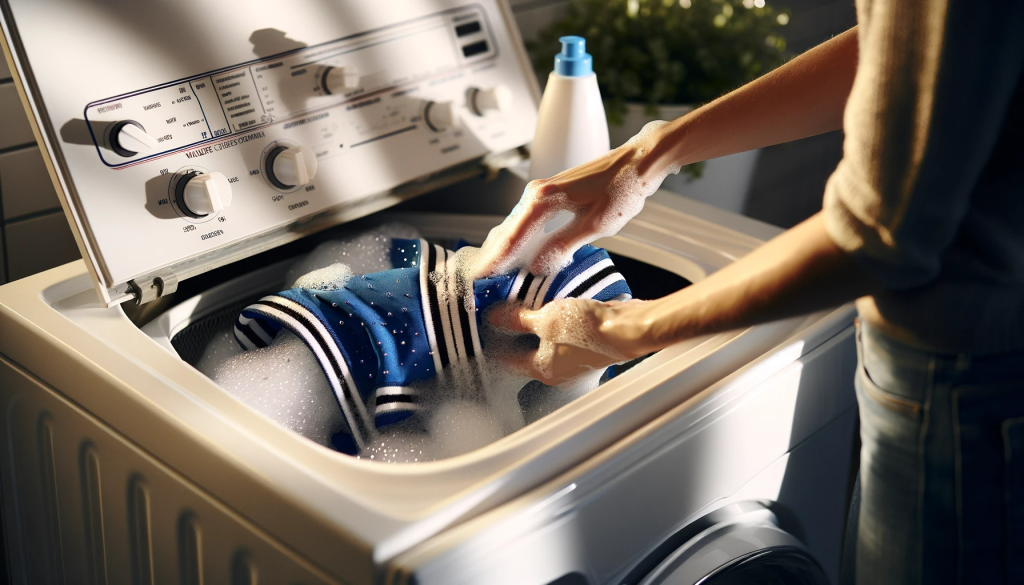
Laundry is a recurring household task that encompasses several distinct steps, from initial sorting to final storage of clean garments.
- Sorting laundry by color, fabric type, and soil level, and pre-treating any stains.
- Washing and drying clothes according to garment care instructions.
- Folding or hanging clean clothes to minimize wrinkles.
- Ironing garments that require it.
- Storing clean clothes neatly in closets and drawers.
- Maintaining the organization and cleanliness of the laundry area.
The volume and frequency of laundry tasks are directly proportional to the number of people in the household. Some families opt for daily loads to keep up, while others prefer to dedicate a specific day or two each week to handle all their laundry. Individuals with active lifestyles, such as campers or hikers, may have specialized gear requiring specific cleaning methods. Similarly, households with infants will have a higher volume of laundry due to frequent changes of baby clothes and bibs.
<img class="filer_image
" alt="unnamed file" loading="lazy" src="https://inktasticmerch.com/wp-content/uploads/2025/12/b98b3a87-1cc2-44af-88d7-cff6d333cc94-jpg915x1281_q85_crop_subsampling-2_upscale.jpg” title=”b98b3a87-1cc2-44af-88d7-cff6d333cc94-jpg915x1281_q85_crop_subsampling-2_upscale”>
Cleaning Chores
Regular cleaning is fundamental to a healthy and pleasant home environment. This category includes a wide range of tasks aimed at removing dirt, dust, and germs from various surfaces and areas.
- Mopping and sweeping all hard-surface floors to remove dust and debris.
- Scrubbing toilets, sinks, bathtubs, and showers to ensure sanitation.
- Dusting shelves, furniture, and other surfaces to remove accumulated dust.
- Cleaning windows and mirrors to maintain clarity and shine.
- Comprehensive cleaning of the kitchen, including countertops, stovetop, oven, and microwave.
- Taking out the trash and managing recycling to prevent odors and waste buildup.
- Sanitizing high-traffic surfaces such as doorknobs, light switches, and remote controls to minimize germ transmission.
A cleaning schedule, whether posted on the refrigerator or maintained digitally, is an effective way to track these tasks. It should specify the frequency for each chore, such as daily tidying, weekly deep cleans, or monthly sanitization of specific areas. Clearly assigning responsibility for each task, especially in shared living situations, ensures accountability. Digital tools like shared Google Sheets can facilitate real-time updates and progress tracking among household members.
<img class="filer_image
" alt="unnamed file" loading="lazy" src="https://inktasticmerch.com/wp-content/uploads/2025/12/ed585a64-286e-4032-bdd6-502495b0fe96-jpg1248x832_q85_crop_subsampling-2_upscale.jpg” title=”ed585a64-286e-4032-bdd6-502495b0fe96-jpg1248x832_q85_crop_subsampling-2_upscale”>
Organization Chores
Organization tasks often require more time and are typically performed less frequently than daily cleaning, though this can vary significantly based on lifestyle. Households with children or pets often find themselves organizing items daily, while individuals who prioritize neatness may engage in organizational tasks more regularly.
- Organizing drawers, closets, and kitchen cabinets for better accessibility and efficiency.
- Sorting through clutter and managing paperwork to reduce disarray.
- Rearranging furniture to optimize space and flow within rooms.
- Donating or selling unused items to declutter and reduce possessions.
- Storing seasonal clothing and decor appropriately to save space.
- Labeling storage containers to easily identify contents and improve retrieval.
These chores are often best tackled during periods with more free time, such as weekends or holidays. It is generally most effective to assign organization tasks based on personal belongings and spaces. For example, older children can be responsible for organizing their own closets, and the person who most frequently uses the kitchen might take the lead on organizing cabinets and the pantry. Collaborative efforts, such as everyone preparing donation bags and one person handling the drop-off, can streamline the process. Shared responsibility prevents one person from becoming overwhelmed and ensures a more balanced distribution of household labor.
<img class="filer_image
" alt="orgalux-BngKr53ZvR4-unsplash (1).jpg" loading="lazy" src="https://inktasticmerch.com/wp-content/uploads/2025/12/orgalux-bngkr53zvr4-unsplash_1-jpg1344x896_q85_crop_subsampling-2_upscale.jpg” title=”orgalux-bngkr53zvr4-unsplash_1-jpg1344x896_q85_crop_subsampling-2_upscale”>
The Secret for a Clean, Organized Home
A consistently clean and organized home is largely a result of systematic planning and execution. Implementing and adhering to a well-structured chore list is fundamental to achieving this. Such a system not only simplifies the management of household tasks but also significantly reduces the mental and emotional burden associated with maintaining a living space. For individuals feeling overwhelmed or simply needing a break, outsourcing certain chores can be a valuable strategy. Hiring professional cleaning services or organizers provides an opportunity to rest and recharge while ensuring essential tasks are still completed to a high standard. This can be particularly helpful during demanding periods, like spring cleaning, where tasks such as laundering bedding, curtains, or seasonal clothing can be delegated. Services like Rinse offer professional laundry solutions, handling everything from pickup to delivery, ensuring items are cleaned expertly without concern for fabric damage or staining. Such professional assistance allows homeowners to maintain their living environment effectively while freeing up valuable time and energy.
For more tips and guidance on maintaining a spotless and well-managed home, be sure to explore other articles in our Blog category.