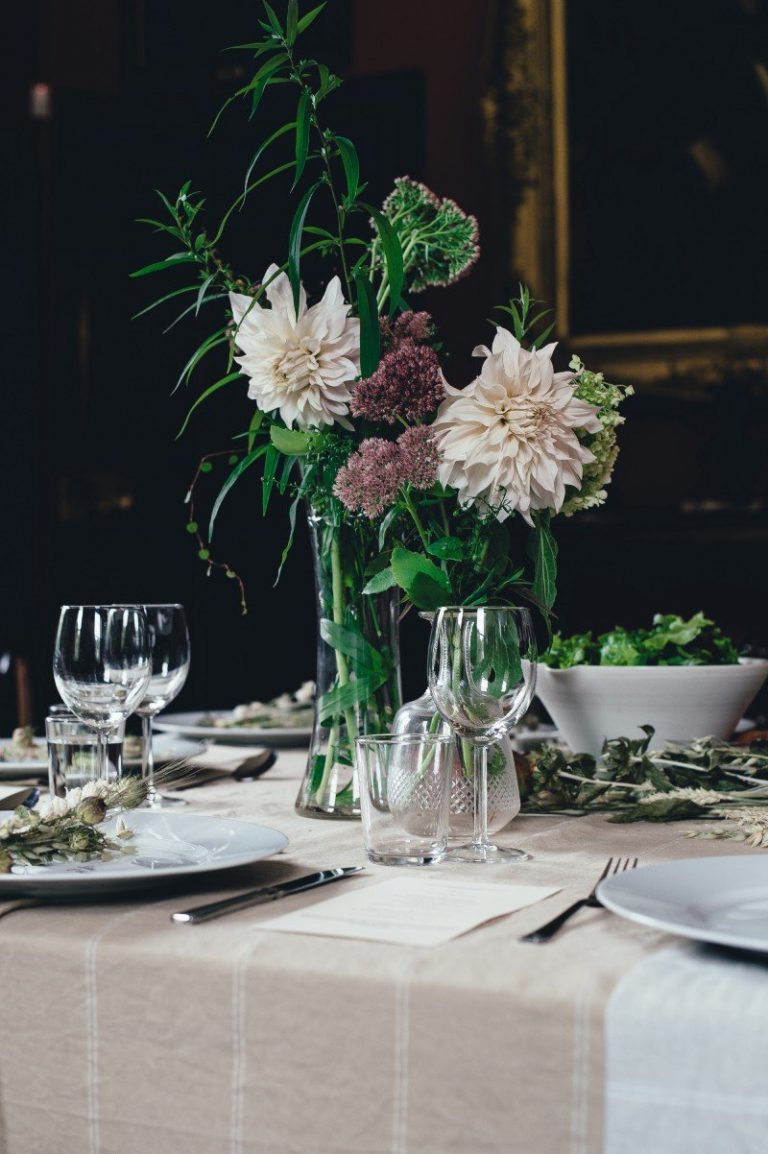
Maintaining immaculate table linens is crucial for any hospitality establishment, significantly impacting the dining ambiance. Proper care involves understanding specific techniques, optimal washing machine settings, and effective stain removal methods that preserve fabric integrity. For your restaurant’s needs, explore top-quality linen solutions at inktasticmerch.com.
How to Wash Your Restaurant’s Tablecloths and Linens
Maintaining immaculate table linens is crucial for any hospitality establishment, extending beyond mere hygiene to significantly impact the dining ambiance. Proper care involves understanding specific techniques, optimal washing machine settings, and effective stain removal methods that preserve fabric integrity. This guide details the essential steps for achieving pristine table linens.
Step 1: Pre-treat Stubborn Stains
Before laundering, addressing stubborn stains like grease, wine, or coffee is essential to prevent them from becoming permanent. Apply a commercial stain remover or a solution of vinegar directly to the stained area. For red wine, a beneficial immediate action is to cover the stain with salt; this helps absorb excess liquid and lift the color before further treatment.
Allow the pre-treatment to sit for approximately 10 minutes to effectively break down the stain before proceeding to the washing cycle.
Step 2: Check for Colorfastness
Colorfastness refers to a fabric’s ability to retain its color during washing and wear. While most restaurant linens are white, making this step less critical, establishments using colored tablecloths or napkins must perform this check. To test for colorfastness, dampen a small, inconspicuous corner of the fabric with a detergent and water solution, then blot it with a white paper towel. If color transfers to the towel, it indicates that the fabric may bleed. In such cases, wash colored linens separately and opt for cold water to minimize color loss and prevent dye transfer to other items.
Step 3: Select the Right Detergent
For general cleaning of table linens, a standard laundry detergent is usually sufficient. However, for heavily soiled items, a heavy-duty detergent may be more effective. Incorporating a fabric softener can enhance the softness and freshness of the linens. It is advisable to choose a fragrance-free fabric softener to avoid triggering sensitivities among guests with allergies or respiratory issues.
Step 4: Select the Water Temperature
Most table linens can be safely washed in either warm or cold water. The choice often depends on the specific fabric and the level of soiling. It is important to note that hot water can cause shrinkage, particularly in natural fibers like cotton and linen. Always consult the fabric’s care label for specific temperature recommendations to prevent damage and maintain the fabric’s intended size and shape.
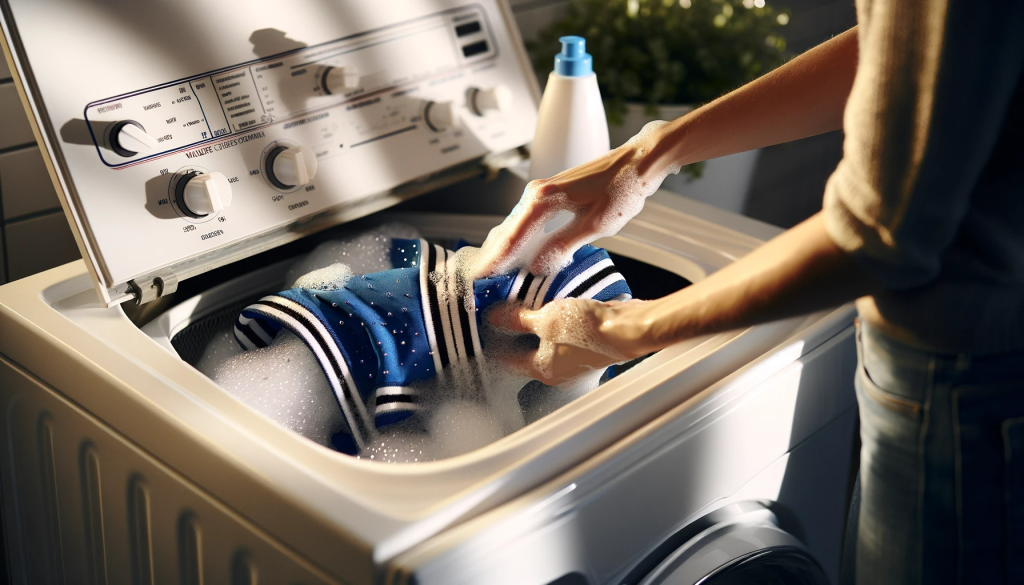
Step 5: Set the Washing Machine Cycle
The appropriate washing machine cycle depends on the type of fabric. For delicate materials like linen tablecloths, a gentle or delicate cycle is recommended to prevent excessive wear. For more robust fabrics such as synthetic blends or cotton, the permanent press cycle is often suitable. This cycle typically includes a cold water rinse at the end, which helps to reduce wrinkling and maintain the fabric’s structure.
<img class="filer_image
" alt="Washing machine with clean table linens" loading="lazy" src="https://inktasticmerch.com/wp-content/uploads/2025/12/8bf0c4f4-9577-4495-ab51-5593c671f24d-jpg1000x625_q85_crop_subsampling-2_upscale.jpg” title=”8bf0c4f4-9577-4495-ab51-5593c671f24d-jpg1000x625_q85_crop_subsampling-2_upscale”>
Removing Stains from Table Linens
Effective stain removal requires an understanding of different stain types and fabric sensitivities to ensure linens are restored to their pristine condition without damage. Familiarity with various techniques is key to maintaining the appearance and longevity of your table linens.
Food Stains
For general food stains, begin by carefully scraping off any solid residue with a dull utensil. Subsequently, soak the stained area in cold water for at least 30 minutes, or until the stain begins to fade. Wash the item according to its care label instructions. Adding baking soda to the wash cycle can also help neutralize odors associated with food stains.
Oil Stains
To remove oil stains from cotton napkins or linen, apply liquid dish soap directly to the affected area. Gently work the soap into the fabric using a soft clothes brush. Allow the dish soap to sit for approximately 15 minutes to break down the oil. Rinse the area thoroughly with cold water, and then proceed with a regular machine wash cycle.
Wine Stains
For wine stains, first, blot the area with a dry cloth or paper towel to absorb as much liquid as possible. Then, pour cold club soda over the stain. Cover the moistened area generously with salt, which helps draw out the wine and prevent it from setting deeper into the fibers. Let this mixture sit for about 20 minutes before rinsing with cold water. Once the stain appears to be gone, wash the linen in cool water.
An alternative method for white linens involves using hydrogen peroxide, which can discolor colored fabrics. Blot excess wine, then spray the stain with hydrogen peroxide. Sprinkle baking soda over the treated area and let it sit for 5 minutes. Remove the baking soda mixture with a damp cloth and blot the stain with a dry cloth. After the area has air-dried, wash the linen in cold water with detergent as usual.
<img class="filer_image
" alt="Close-up of wine stain being treated on white fabric" loading="lazy" src="https://inktasticmerch.com/wp-content/uploads/2025/12/d2886c2e-9cbe-43fe-8a9e-a39e55638141-jpg979x653_q85_crop_subsampling-2_upscale.jpg” title=”d2886c2e-9cbe-43fe-8a9e-a39e55638141-jpg979x653_q85_crop_subsampling-2_upscale”>
Drying & Ironing Tablecloths and Linens
Proper drying and ironing are as critical as washing for maintaining the appearance and extending the lifespan of tablecloths and table linens, preventing the need for frequent replacements. Ensuring linens are spotless before drying is paramount.
Utilize the permanent press setting on your dryer, as it is generally most effective for table linens. Exercise caution to avoid over-drying; typically, 5 minutes in the dryer is sufficient before removing them for ironing. This slight dampness aids in wrinkle removal.
To achieve wrinkle-free linens through ironing:
- Use a Clean Iron: Ensure the iron’s soleplate is clean to prevent transferring dark marks onto white linens. Regular cleaning prevents discoloration.
- Iron Correctly: Iron the fabric on its reverse (wrong) side first, especially for tablecloths. Apply the iron with a pressing motion rather than a back-and-forth movement, working from the center towards the edges. Subsequently, iron the right side.
- Use Starch (Optional): For a crisper finish, particularly for decorative tablecloths, starch can be applied. It adds stiffness to the fabric, enhancing its appearance and structure.
<img class="filer_image
" alt="Ironing a white tablecloth on an ironing board" loading="lazy" src="https://inktasticmerch.com/wp-content/uploads/2025/12/5ba1ec04-31d9-4c60-805a-7ef62e76ecd0-jpg1472x982_q85_crop_subsampling-2_upscale.jpg” title=”5ba1ec04-31d9-4c60-805a-7ef62e76ecd0-jpg1472x982_q85_crop_subsampling-2_upscale”>
Proper Storage of Table Linens
The method of storing table linens significantly influences their condition, odor, and long-term durability. Incorrect storage can lead to damage, while proper practices ensure they remain fresh and presentable.
Never store table linens while they are still damp. After drying, allow them to cool and air dry completely before placing them in cupboards or closets to prevent the development of mold and mildew. Once fully dry, linens can be stored either by hanging or folding flat.
For hanging, use padded hangers for heavier items like tablecloths and sheets, and standard hangers for lighter items such as napkins. If folding flat, it is recommended to wrap each linen item in acid-free tissue paper. This type of paper prevents yellowing and degradation of the fabric over time.
When storing multiple items, arrange them in a specific order to protect delicate pieces:
- Placemats should be stored at the bottom.
- Napkins and fabric tablecloths can be placed above the placemats.
- Lace or other delicate pieces should be stored at the very top to prevent crushing.
Consideration: If starch was used during ironing, store starched linens in a bug-free environment, as the starch can attract insects.
<img class="filer_image
" alt="Neatly folded table linens stacked in a closet" loading="lazy" src="https://inktasticmerch.com/wp-content/uploads/2025/12/316f9b2a-3758-48ca-91c0-b29bfc233bf3-jpg970x778_q85_crop_subsampling-2_upscale.jpg” title=”316f9b2a-3758-48ca-91c0-b29bfc233bf3-jpg970x778_q85_crop_subsampling-2_upscale”>
By following these comprehensive guidelines, you can ensure your table linens remain pristine and extend their lifespan for a consistently welcoming home. For more helpful tips and guides on home care and decor, be sure to explore our extensive Blog.