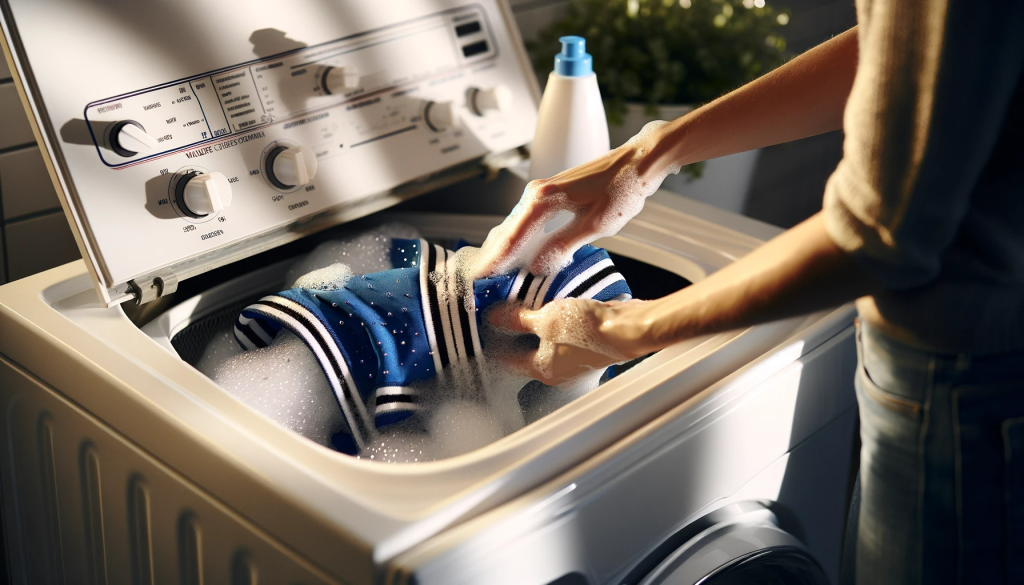
Caring for your delicate viscose garments can be a breeze with the right approach. While viscose is known for its beautiful drape and absorbency, it can be prone to shrinkage and weakening when wet. To keep your favorite viscose pieces looking their best, consider gentle washing methods and always refer to the care label. For a wide selection of quality apparel and custom printing options, explore what InktasticMerch has to offer.
Viscose, a semi-synthetic fiber derived from regenerated cellulose, is prized for its lustrous sheen, excellent absorbency, and vibrant dye uptake. Unlike many synthetic fabrics, it doesn’t build up static electricity. However, it’s known for its lack of resilience, becoming weaker when wet and susceptible to mildew.
Exploring Viscose Care
When caring for viscose garments, a common concern is whether they can be washed and if they tend to shrink. The answer is yes, viscose can shrink if not handled properly during washing, but with the right approach, many viscose items can be safely cleaned at home. Opting for handwashing with a delicate detergent is often the best method to preserve the fabric’s integrity and prevent shrinkage, ensuring your viscose pieces remain beautiful for longer.
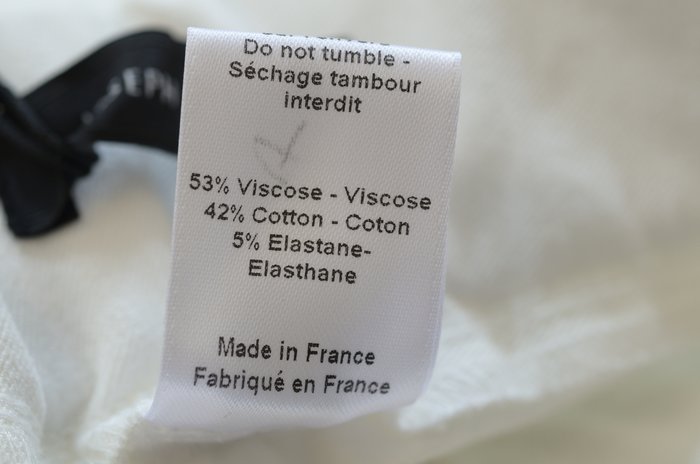
Before washing any viscose item, always consult the care label. This label provides essential guidance on whether the garment is suitable for washing. Avoid washing items marked “do not wash” or “dry clean only.” If you’re unsure, it’s a good practice to test the fabric’s reaction to water in an inconspicuous area before proceeding with a full wash. If your viscose garment passes this water test, treat it with the utmost care as a delicate item, following these steps for washing.
Does Viscose Shrink?
Yes, viscose has a tendency to shrink. Because the fibers weaken and can break down when wet, it’s crucial to wash viscose in cold water. Gentle handling is key to maintaining its shape and size.
Does Viscose Shrink?
Pre-treating Stains
For any stains on your viscose fabric, it’s best to use a stain remover specifically formulated for delicate fabrics. This is particularly effective for challenging stains like those from colorful foods or oils. Gently work the stain treatment into the fabric using a soft brush or your fingertips, adding a little cool water if necessary to help lift the stain without damaging the fibers.

Hand Washing Your Viscose
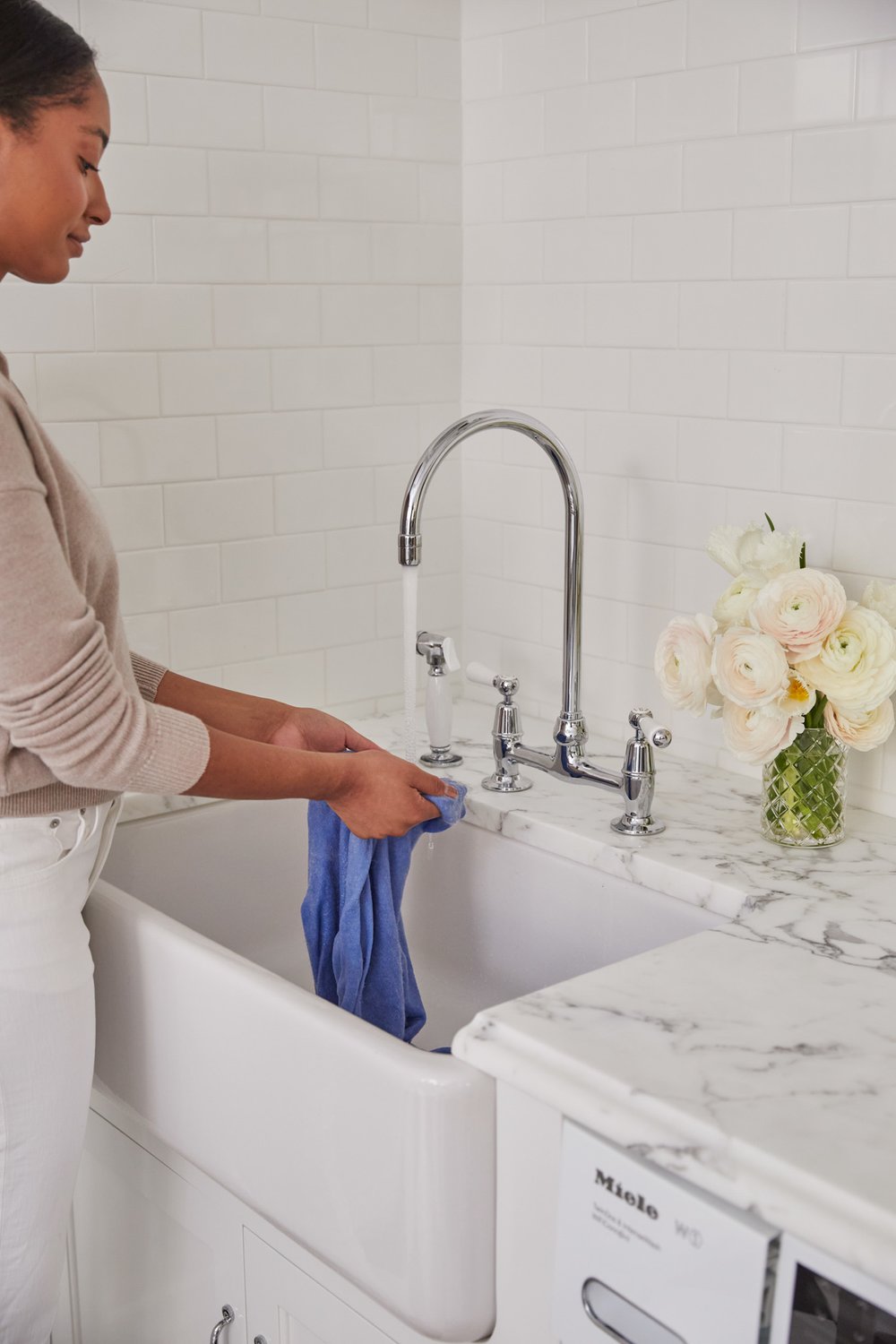
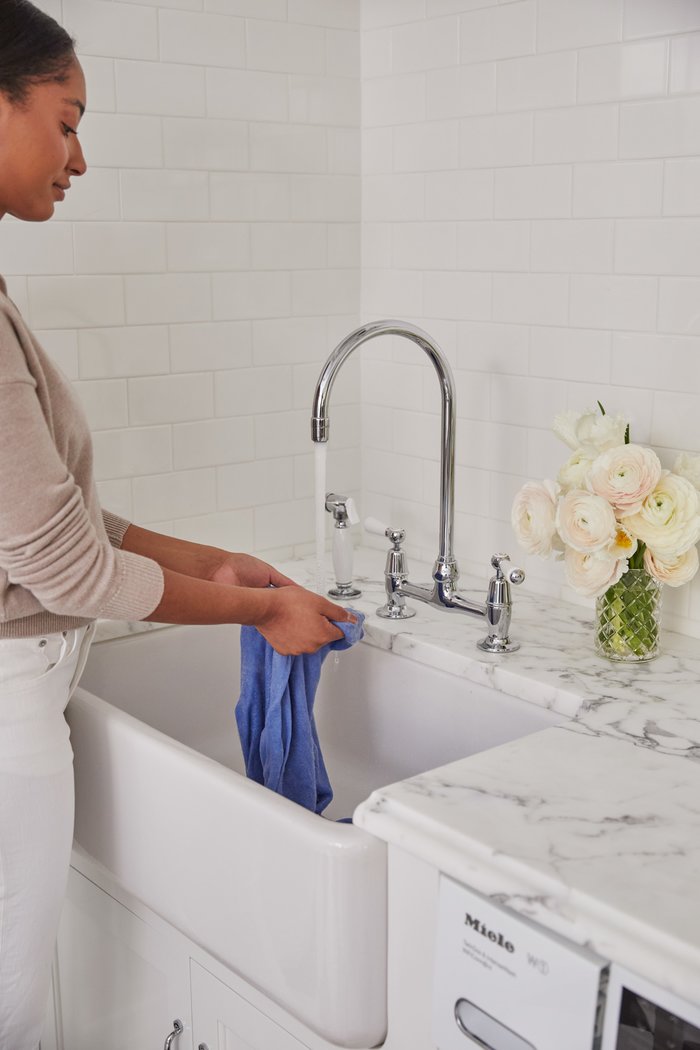
Given that viscose weakens when wet, handwashing is the preferred method. Use cold water and a detergent specifically designed for delicates. Allow the garment to soak for no more than 30 minutes. After washing, gently press out the excess water – avoid wringing, as this can damage the fibers. Air drying is the safest option to maintain the fabric’s shape and prevent shrinking.
Machine Washing Viscose Safely
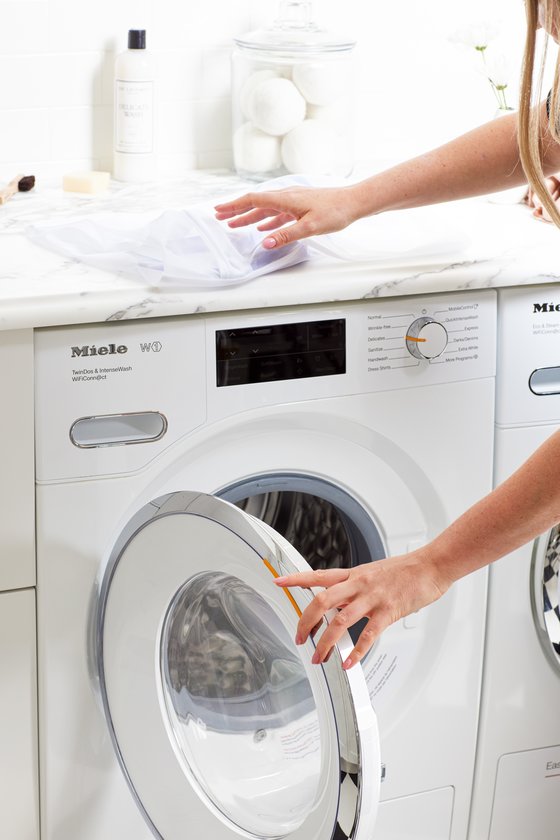
If you choose to machine wash your viscose items, take precautions to protect the delicate fibers. Turn the garment inside out and place it in a protective mesh laundry bag to prevent snagging or tearing. Select the delicate cycle on your washing machine, ensuring the water temperature is cold and the spin speed is set to low. Use the recommended amount of delicate detergent for your machine and load size.


Drying and Finishing Viscose
After washing, lay your viscose item flat in its natural shape on a drying rack or hang it to dry. Crucially, avoid using a machine dryer, as the heat and tumbling action can cause significant shrinkage. To remove any wrinkles, steaming is the most effective and gentle method. If a steamer isn’t available, you can carefully iron the fabric by hovering the iron just above the surface and using the steam setting. To keep your viscose garments fresh between wears, a light spritz of a fabric refresher after steaming can work wonders.
Proper Storage for Viscose
How you store your viscose garments can also impact their longevity. For knit viscose items, such as tops, folding them is recommended to prevent stretching or distortion of the shape. Woven viscose items, like pants or skirts, can be safely hung. Always ensure your garments are clean before storing them. To protect them from pests and dust, store them in a breathable cotton storage bag. Avoid plastic bags, as they can trap moisture, potentially leading to mildew, and create an environment attractive to pests.
Please note that while these techniques are based on general textile science, the performance and reaction of individual garments can vary. Always refer to the specific care label for the most accurate instructions.

We hope this guide has demystified viscose care for you, helping you keep your garments looking their best for longer. For more helpful tips and articles on fabrics and fashion, be sure to explore the rest of our Blog.