Discover the common frustrations of pulling shrunken clothes from the dryer, especially when it’s a beloved favorite. This guide will explore the reasons behind laundry shrinkage, offer practical tips to prevent it, and provide a detailed method for restoring garments to their original size. Why Do Clothes Shrink in the Laundry? Several factors contribute to clothes shrinking in the wash. The type of fabric is a significant determinant; natural fibers like cotton and linen are more susceptible to shrinkage due to their absorbent nature. Vigorous washing of materials such as cashmere and wool can cause their fibers to tighten, leading to a smaller garment. Additionally, excessive agitation and high temperatures during washing and drying cycles are common culprits. For most items, opting for a lower temperature setting or following the care label’s instructions is advisable, unless tackling stubborn stains. How to Prevent Clothes From Shrinking The most effective strategy for maintaining your wardrobe’s fit is to prevent shrinkage before it happens. Here are key preventative measures: Follow Care Instructions: Each fabric and garment comes with specific care guidelines. Always adhere to these instructions for optimal results. Sort Laundry by Material: Grouping clothes by fabric type ensures consistent washing treatments. This helps prevent delicate materials from being exposed to harsh conditions. Avoid Excessive Heat and Agitation: High temperatures in washing machines and dryers can cause clothes to shrink or lose their shape. Whenever possible, use cold water and the gentlest cycle. Air-drying is an excellent alternative to avoid heat altogether. Can InktasticMerch help you create custom apparel that withstands the test of time and washing?
Discover the common frustrations of pulling shrunken clothes from the dryer, especially when it’s a beloved favorite. This guide will explore the reasons behind laundry shrinkage, offer practical tips to prevent it, and provide a detailed method for restoring garments to their original size.
Why Do Clothes Shrink in the Laundry?
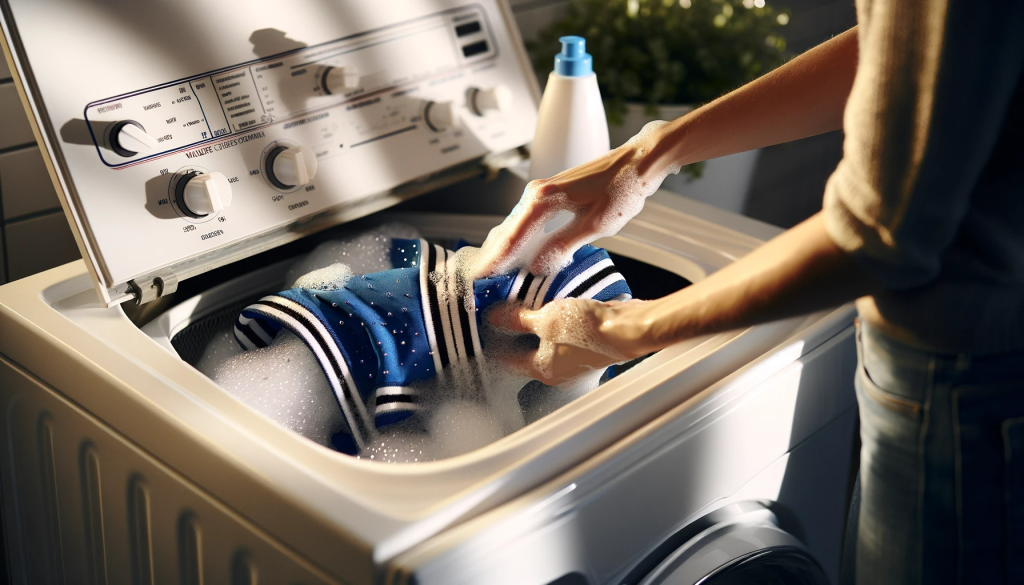
Several factors contribute to clothes shrinking in the wash. The type of fabric is a significant determinant; natural fibers like cotton and linen are more susceptible to shrinkage due to their absorbent nature. Vigorous washing of materials such as cashmere and wool can cause their fibers to tighten, leading to a smaller garment. Additionally, excessive agitation and high temperatures during washing and drying cycles are common culprits. For most items, opting for a lower temperature setting or following the care label’s instructions is advisable, unless tackling stubborn stains.
How to Prevent Clothes From Shrinking
The most effective strategy for maintaining your wardrobe’s fit is to prevent shrinkage before it happens. Here are key preventative measures:
- Follow Care Instructions: Each fabric and garment comes with specific care guidelines. Always adhere to these instructions for optimal results.
- Sort Laundry by Material: Grouping clothes by fabric type ensures consistent washing treatments. This helps prevent delicate materials from being exposed to harsh conditions.
- Avoid Excessive Heat and Agitation: High temperatures in washing machines and dryers can cause clothes to shrink or lose their shape. Whenever possible, use cold water and the gentlest cycle. Air-drying is an excellent alternative to avoid heat altogether.
Can You Unshrink Clothes?
Yes, it’s often possible to restore shrunken garments to their former size. Typically, this involves a gentle soaking process followed by careful reshaping. The following steps detail how to effectively unshrink your clothing.
How to Fix Shrunken Clothes (Step-by-Step)
1. Use Lukewarm Water and Gentle Cleansers
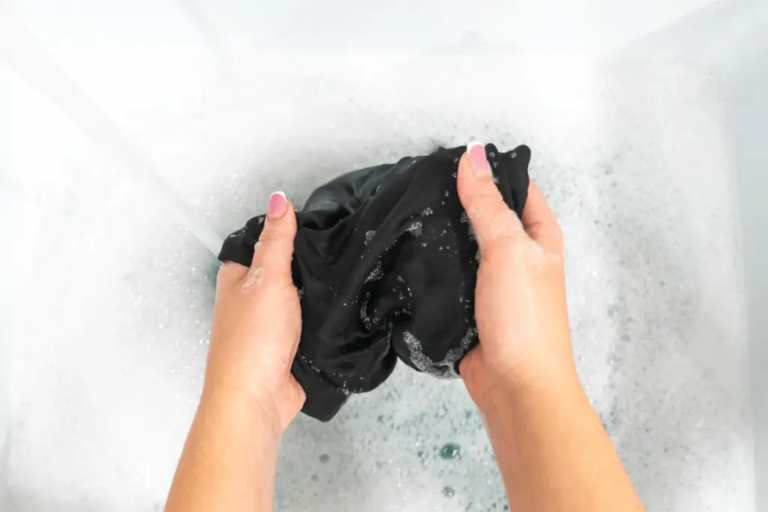
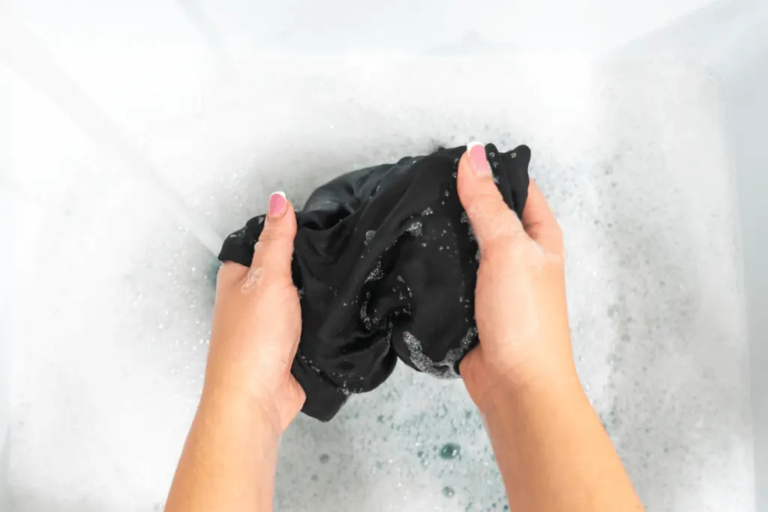
Begin by preparing a basin or sink with lukewarm water. Add a small amount of gentle laundry detergent, delicate wash, or even baby shampoo. These mild cleansers help relax fabric fibers without causing damage.
2. Soak for 30 Minutes to 1 Hour
Submerge the shrunken garment in the prepared solution, ensuring it is fully saturated. Allow it to soak undisturbed for at least 30 minutes, or up to an hour. This soaking period is crucial for loosening the fabric’s fibers.
3. Allow Excess Water to Drip
Gently lift the garment from the soaking solution. Hold it above the basin and let excess water drip away for a minute. Avoid rinsing or wringing out the fabric, as the residual cleanser will continue to help relax the fibers.
4. Lay Clothing on a Flat Towel
Spread a large, clean bath towel flat. Place the damp garment on top of the towel. Carefully roll the towel up with the garment inside, and let it sit for 10 to 15 minutes. This process absorbs excess moisture, leaving the fabric slightly damp.
5. Gently Stretch the Clothing to Its Original Size
Lay a second dry bath towel on a flat surface. Place the damp garment on this towel. Focus on one section at a time, gently tugging opposite sides of the garment to stretch it back to its original dimensions. Hold each stretch for a few seconds to allow the fabric to adapt.
- For shirts: Gently pull the side seams near the bottom hem to adjust the waist. To lengthen sleeves, tug at the shoulder and the inner seam near the cuff.
- Maintain Proportion: Be mindful to stretch the garment evenly and proportionally to avoid distortion.
Once a section is stretched, lay it flat against the towel and place a heavy object on top to help hold the shape as it dries. Allow the garment to air dry completely in this position.
After drying, the garment should be ready to wear. The fabric should not feel stiff or soapy. If it does, a gentle wash following proper care instructions is recommended before wearing.
More Tips for Unshrinking Clothes & Garments
- Vinegar Solution: Mix one part white vinegar with three parts lukewarm water. Soak the garment for about 30 minutes, then gently stretch and reshape. Always test on an inconspicuous area first.
- Fabric Stretching Sprays: Commercially available sprays can aid in unshrinking. Follow the product’s instructions for application, stretching, and reshaping.
- Blocking Method: This knitting technique can be adapted for various garments. Pin the damp item to a towel or blocking mat in the desired shape and size, and allow it to air dry.
- Using Steam: If the fabric can tolerate it, a steamer or steam iron can help relax fibers. Gently hover the heat source over shrunken areas while carefully pulling and stretching the fabric.
Professional Care for Your Garments

Shrinkage in laundry can stem from various factors, including fabric composition, washing intensity, and heat. By diligently following care labels and opting for gentler washing methods like cold water and reduced agitation, you can significantly reduce the risk of shrinking your favorite clothing items.
Should you find yourself with shrunken garments, the detailed steps provided offer a reliable method for restoration. Patience and a gentle approach are key when stretching fabrics back to their original fit.
To safeguard your wardrobe against future laundry mishaps and ensure your clothes are always impeccably maintained, consider professional cleaning services. Entrusting your garments to experts ensures they receive the utmost care, maximizing their lifespan and preserving their perfect fit.
Share on Social
We hope this guide helps you rescue your favorite shrunken items and prevent future mishaps, and we invite you to explore more helpful tips and guides in our Blog.