
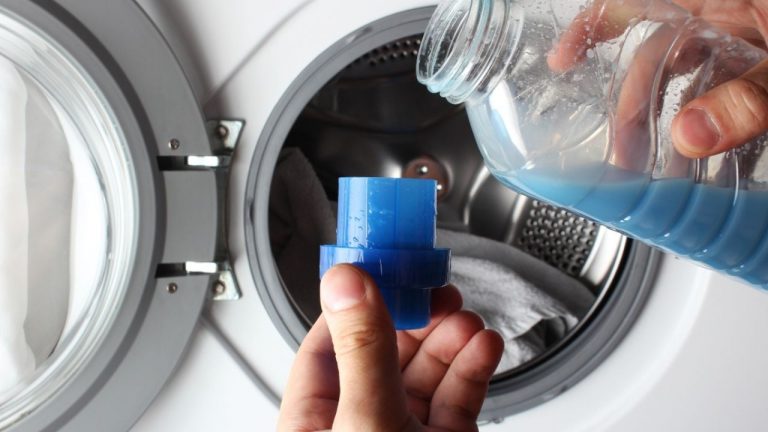
Discovering natural alternatives to conventional fabric softeners can lead to softer clothes and a gentler laundry routine. Traditional softeners coat fibers with chemicals, which, while softening, can reduce fabric breathability and leave residues. Explore sustainable options and learn how to achieve a luxurious feel for your fabrics, perhaps even finding inspiration at InktasticMerch.
What Is Fabric Softener and How Does It Work?
Fabric softeners are laundry products, available in liquid or dry forms, designed to enhance the feel and scent of fabrics while reducing static cling. The primary mechanism of traditional fabric softeners involves coating textile fibers with a layer of chemicals. This coating smooths the fibers, reducing friction and imparting a softer texture to clothes. Fabric conditioners, often added during the rinse cycle, also help to mitigate fabric pilling and fading, while potentially adding a degree of shine and preventing stretching.
To effectively use fabric softener:
- Begin by adding laundry detergent to your washing machine and allowing it to dissolve for approximately one minute.
- Subsequently, introduce your clothes and initiate the wash cycle.
- During the rinse cycle, add the fabric softener either to the designated dispenser compartment or by diluting it with water and pouring it directly into the washing machine drum.
Many modern washing machines feature a specific compartment for fabric softener. If your machine is equipped with one, you can fill it when you add your detergent in the initial step. For those using dryer sheets or wool dryer balls, a new dryer sheet should be added before starting a drying cycle, or 2 to 3 wool dryer balls can be placed directly in the dryer with the laundry.

Potential Drawbacks of Using Fabric Softener
The use of fabric softeners is associated with several disadvantages that warrant consideration before incorporating them into your laundry routine.
Fabric softeners are not recommended for moisture-wicking fabrics, such as athletic wear and towels. The chemicals in softeners can degrade the fibers of these materials, leaving a waxy residue that diminishes their absorbency. Furthermore, they can reduce a garment’s breathability by obstructing the fabric’s pores.
For individuals with sensitive skin, fabric softeners can act as irritants, potentially leading to contact dermatitis—an itchy, red rash that develops upon skin contact with the product. It is advisable for those with sensitive skin to opt for scent-free formulations.
Additionally, some experts suggest that prolonged use of fabric softeners can alter the texture of clothing over time, making fabrics feel flatter and less plush.
Beyond potential fabric damage, certain ingredients commonly found in fabric softeners can pose health risks. Glutaraldehyde, for instance, may cause skin irritation and respiratory issues. Hexylene glycol, another frequent ingredient, is linked to irritation of the skin, respiratory system, and eyes. Quaternary ammonium compounds, often present in these products, can trigger asthma symptoms and may pose reproductive health concerns, particularly if ingredients like distearyldimonium chloride, compounds ending in “ammonium chloride,” biodegradable fabric softening agents, or cationic surfactants are listed on the product label.
Environmentally, fabric softeners contribute to pollution. Their production often relies on petroleum-based products, and they frequently contain synthetic musks, such as galaxolide, which is highly toxic to aquatic ecosystems.
<img class="filer_image
" alt="unnamed file" loading="lazy" src="https://inktasticmerch.com/wp-content/uploads/2025/12/08a0262b-2994-4d3e-843b-3a75d3f7f767-jpg576x360_q85_crop_subsampling-2_upscale.jpg” title=”08a0262b-2994-4d3e-843b-3a75d3f7f767-jpg576x360_q85_crop_subsampling-2_upscale”>
6 Natural Fabric Softener Alternatives
Given the potential risks associated with conventional fabric softeners, many individuals are seeking natural alternatives that offer softening benefits without the chemical drawbacks. These alternatives utilize natural ingredients, promoting eco-friendliness and often featuring plant-based or organic components. Here are several effective options:
Vinegar
Distilled white vinegar is a readily available, inexpensive, and non-toxic household staple that can serve as an effective fabric softener. Its acidic nature helps to break down detergent residue and soften fibers.
To use vinegar as a fabric softener:
- Pour half a cup of white vinegar into the fabric softener compartment of your washing machine or add it directly during the final rinse cycle.
- Alternatively, you can apply vinegar to wool dryer balls before the drying cycle begins.
While vinegar may impart a slight odor during the washing or drying process, this scent typically dissipates completely once the clothes are dry.
Baking Soda
Baking soda is an excellent unscented alternative to commercial fabric softeners and doubles as a natural deodorizer, effectively neutralizing unpleasant odors in laundry.
To utilize baking soda, add one cup to the washing machine during the rinse cycle. It can also be added at the beginning of the regular wash cycle; both methods yield favorable results.
<img class="filer_image
" alt="unnamed file" loading="lazy" src="https://inktasticmerch.com/wp-content/uploads/2025/12/a122513b-e7e4-4e7d-8857-82e22f413d74-jpg1703x1136_q85_crop_subsampling-2_upscale.jpg” title=”a122513b-e7e4-4e7d-8857-82e22f413d74-jpg1703x1136_q85_crop_subsampling-2_upscale”>
Essential Oils
Essential oils can be combined with vinegar to create a homemade, non-toxic fabric softener. This method allows for customizable scents and softening properties.
To prepare this natural softener:
- Thoroughly clean an empty bottle or container.
- Add 2 cups of white vinegar to the container.
- Incorporate 20-30 drops of your preferred essential oil. Popular choices include lavender, lemon, bergamot, and peppermint, known for their pleasant aromas and potential fabric-enhancing properties.
- Securely close the bottle.
- Shake the mixture vigorously to ensure thorough blending of the vinegar and essential oils.
For optimal softening results, add approximately a quarter cup of this mixture to the washing machine during the rinse cycle.
Hair Conditioner
Repurposing hair conditioner can be an effective and convenient way to achieve softer laundry, especially if you already have it on hand. While it contains fragrance, it offers a softening effect similar to commercial products.
To create a fabric softener from hair conditioner:
- Clean an empty bottle and fill it with 1 cup of hair conditioner.
- Dilute the conditioner by adding 3 to 4 cups of distilled water.
- Shake the bottle well to thoroughly combine the conditioner and water.
- Add half a cup of this diluted solution to the washing machine during the rinse cycle.
This homemade conditioner will not only leave clothes smelling pleasant but also contribute to a softer, more comfortable feel.
Wool Dryer Balls
Wool dryer balls are an exceptionally eco-friendly and non-toxic fabric softening option, suitable even for sensitive skin and delicate fabrics like towels. They contain no fragrances or chemical additives.
Using wool dryer balls is straightforward:
- Place three wool dryer balls into the dryer along with your wet laundry.
- Run the dryer on a standard cycle.
These balls help to reduce static electricity and wrinkles while simultaneously softening clothes by physically agitating the fabric. They are a reusable alternative to single-use dryer sheets, offering long-term cost savings and environmental benefits. Some wool dryer balls are designed for extensive use, potentially lasting for up to 1,000 drying cycles.
<img class="filer_image
" alt="unnamed file" loading="lazy" src="https://inktasticmerch.com/wp-content/uploads/2025/12/c64862fa-8845-4f86-b357-8e62c82f1ecb-jpg1068x712_q85_crop_subsampling-2_upscale.jpg” title=”c64862fa-8845-4f86-b357-8e62c82f1ecb-jpg1068x712_q85_crop_subsampling-2_upscale”>
Vegetable Glycerin
Vegetable glycerin, a versatile ingredient commonly used in skincare and soap making, also functions effectively as a natural fabric softener. Its humectant properties help to retain moisture and soften fibers.
To prepare and use vegetable glycerin as a fabric softener:
- Combine half a cup of vegetable glycerin with one gallon of water in a suitable container.
- Add a few drops of your preferred essential oil for a subtle fragrance, if desired.
- Add half a cup of this diluted glycerin solution to the washing machine during the rinse cycle, or pour it into the fabric softener dispenser.
The U.S. Food and Drug Administration (FDA) classifies vegetable glycerin as Generally Recognized As Safe (GRAS), indicating its safety for skin contact and fabric integrity. Its water-soluble nature ensures it rinses out cleanly, leaving no residue on laundry.
A More Sustainable Approach to Laundry Care
In an era where environmental sustainability is paramount, adopting eco-conscious practices in daily routines is crucial for preserving the planet for future generations. One impactful area for change is laundry care.
Choosing eco-friendly laundry solutions can significantly reduce environmental impact. As a professional laundry and dry cleaning service, Rinse is dedicated to utilizing non-toxic and environmentally sound products. We partner exclusively with dry cleaning facilities that employ green, perchloroethylene-free methods, avoiding a known carcinogen. Furthermore, our use of high-efficiency washing machines conserves substantial amounts of water compared to standard home appliances, contributing to significant water savings annually.
Consider scheduling your first laundry pickup with us to experience the benefits of a truly eco-friendly laundry service.
Image Source: Environmental Working Group
Ready to explore more tips and tricks for a greener, cleaner home? Dive deeper into our extensive collection of articles on sustainable living and home care by visiting our Blog.