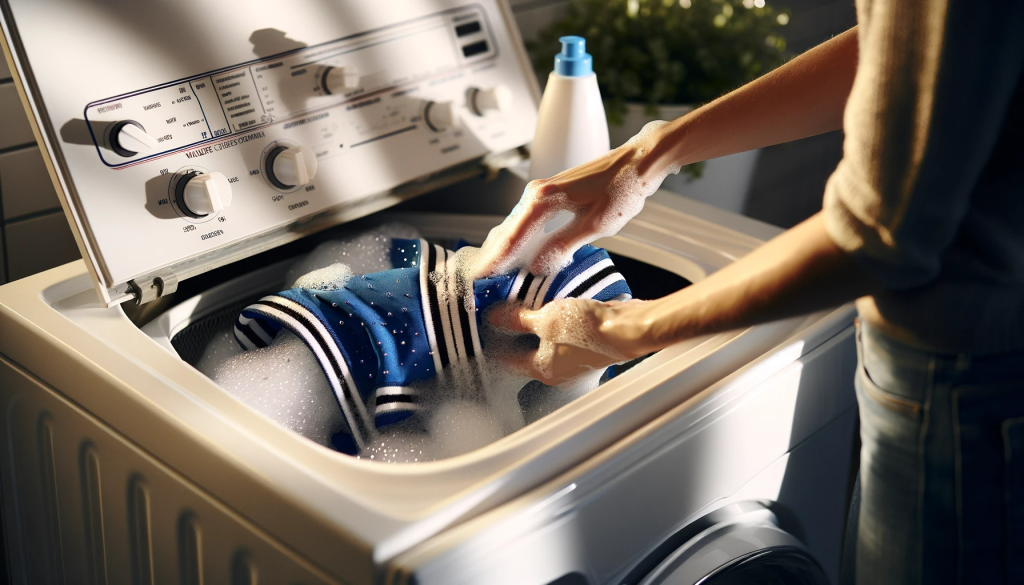
Maintaining clean bath towels is crucial for both personal hygiene and the longevity of the fabric. Regular washing not only prevents the spread of germs and bacteria but also contributes to healthier skin and keeps your towels feeling soft and fluffy. For all your personalized textile needs, visit inktasticmerch.com.
The Importance of Washing Your Bath Towels
Regularly washing your bath towels is essential for numerous reasons, ranging from safeguarding your health to preserving the fabric’s integrity and appearance. Here are the key advantages of maintaining clean towels:
1. Preventing the Spread of Germs and Bacteria
Each time you use a towel, it absorbs moisture and collects dead skin cells, creating an environment where bacteria and other microbes can thrive. Consistent washing effectively eliminates these contaminants, significantly reducing the risk of transferring harmful germs. Using a quality laundry detergent, and occasionally a disinfectant like chlorine bleach (for whites) or oxygen bleach (for colors), ensures thorough sanitization, leaving towels fresh and hygienic.
2. Maintaining Optimal Skin Health
Using dirty or damp towels can introduce irritants to your skin, potentially leading to rashes, acne breakouts, or exacerbating existing skin conditions. Washing your towels with a mild, skin-friendly laundry detergent helps remove these irritants and keeps the fabric soft and gentle. It’s advisable to use fabric softener sparingly, as excessive use can diminish the towel’s absorbency over time.
3. Extending Towel Lifespan and Durability
Proper and regular washing is crucial for maintaining towels in optimal condition. Employing the correct detergent and avoiding harsh chemicals like undiluted bleach on colored towels can significantly prolong their useful life. Occasional deep-cleaning methods, such as laundry stripping, can effectively remove detergent residue, body oils, and mineral buildup that can stiffen the fabric and reduce its performance.
4. Enhancing Towel Softness and Fluffiness
Over time, towels can become stiff and lose their plush feel due to detergent buildup and mineral deposits. Regular washing, especially when incorporating natural boosters like white vinegar (added during the rinse cycle), can help restore and maintain the towels’ original softness and fluffiness. To preserve softness and absorbency, avoid overusing fabric softeners and dryer sheets.
5. Preventing Odors and Mustiness
A common issue with towels is the development of unpleasant odors, often caused by residual moisture allowing mold and mildew to grow. Regular washing and, critically, ensuring towels are completely dry after use and washing, are the most effective ways to prevent this. Allowing towels to air dry thoroughly before folding or placing them in a hamper can prevent musty smells from developing.
6. Keeping Colors Vibrant and Preventing Stains
Consistent laundering helps preserve the original vibrancy of your towels’ colors and prevents stains from becoming permanent. For colored towels, using a color-safe bleach alternative, such as OxiClean or a similar oxygen-based cleaner, can be effective in lifting stains and brightening colors without causing damage.
Optimal Frequency for Washing Bath Towels
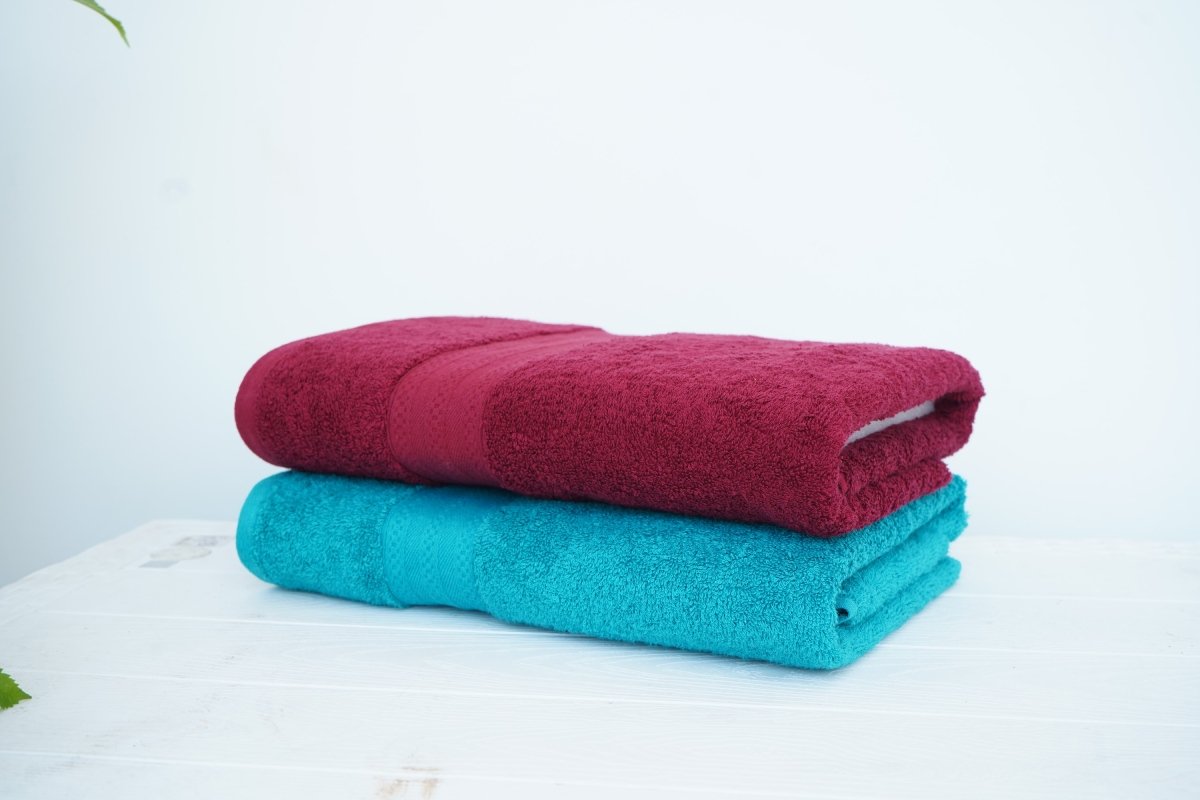
The frequency with which you wash your bath towels is a critical factor in maintaining both hygiene and comfort. As a general guideline, it is recommended to launder bath towels after every three to four uses. However, this frequency can vary based on several factors, including how damp the towel becomes after use, the humidity levels in your bathroom, and individual personal hygiene practices or sensitivities.
Specific Towels Require More Frequent Washing
Certain types of towels and specific usage scenarios necessitate more frequent laundering due to a higher likelihood of accumulating dirt, oils, bacteria, or moisture:
1. Kitchen Towels
Kitchen towels are frequently exposed to food particles, grease, spills, and a variety of bacteria from raw ingredients. To prevent cross-contamination and the rapid growth of microbes, they should be washed much more regularly, ideally after each use or at least daily.
2. Gym Towels
Towels used at the gym come into direct contact with sweat and potentially contaminated surfaces. To avoid transferring bacteria and to maintain hygiene, it is highly advisable to wash gym towels after every single use.
3. Towels for Individuals with Sensitive Skin or Skin Conditions
People who have sensitive skin, allergies, or specific dermatological conditions should opt for more frequent towel washing. This helps minimize exposure to potential irritants like lingering skin cells, dander, or residue from personal care products that could trigger a reaction.
4. Hand Towels
Hand towels, particularly those in busy kitchens or bathrooms, are used multiple times a day by different individuals. To ensure a hygienic hand-drying experience and prevent the spread of germs, these should be washed every one to two days.
5. Towels in Humid Climates
In regions with high humidity, towels may not dry completely between uses, creating a damp environment conducive to mildew and a musty smell. In such conditions, increasing the washing frequency is necessary to combat microbial growth.
6. Washcloths
Washcloths used for cleansing the face or body come into direct contact with skin oils, makeup, dirt, and bacteria. Due to this direct and frequent contact, they should be laundered after each individual use to prevent bacterial buildup.

Consequences of Neglecting Towel Hygiene
Failing to wash towels regularly can lead to a cascade of issues that compromise both personal hygiene and overall health. While some problems have been touched upon, a deeper examination reveals the significant consequences of neglecting towel cleanliness.
When towels are used, they absorb moisture and trap skin cells, creating an ideal breeding ground for bacteria, mold, and fungi if not properly cleaned. Microbiological studies indicate that damp towels can harbor a substantial number of microbes. These microorganisms can then be transferred back to your skin during subsequent uses, potentially causing or exacerbating skin irritations, infections, and rashes, particularly if there are any cuts or abrasions on the skin.
Beyond health risks, unclean towels often develop unpleasant odors. Lingering moisture trapped within the fibers can lead to a persistent musty or sour smell, which is both unappealing and indicative of microbial activity. Regular washing and thorough drying are essential preventative measures. Using a dryer sheet can help impart a fresh scent and maintain softness after laundering.
Another detrimental effect of infrequent washing is the reduction in towel absorbency. Over time, a buildup of body oils, soap residue, and cosmetic products can accumulate in the fabric fibers. This buildup prevents the towel from effectively absorbing water, making even a high-quality bath towel less functional. Methods like laundry stripping can be beneficial in these cases to strip away accumulated residue and restore the towel’s absorbency and softness.
Proper laundry practices are also crucial. Overloading the washing machine can prevent towels from being cleaned thoroughly, as they may not agitate properly or rinse effectively. It is important to wash towels at the temperature recommended by the manufacturer and to use an appropriate amount of a suitable laundry detergent. Following the wash cycle, towels must be dried completely, either in a dryer on the appropriate setting or by air-drying, to eliminate any residual dampness that could encourage microbial growth.
For more insights on keeping your home essentials fresh and clean, explore other articles in our Blog.