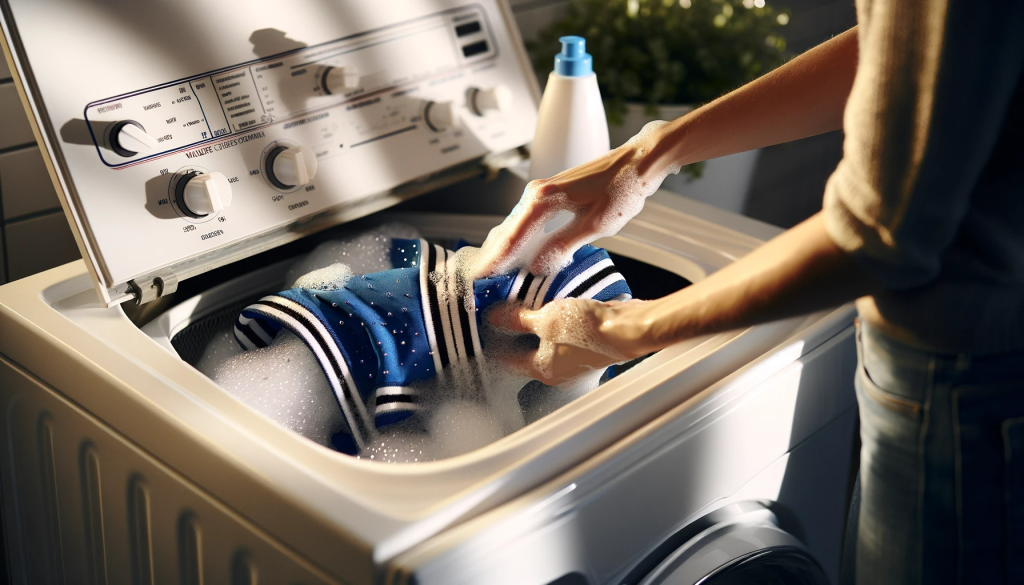
Tired of unsightly sweat stains ruining your favorite clothes? This ultimate guide reveals the secrets to banishing those unwelcome marks, transforming your wardrobe back to its fresh, vibrant best. Discover effective strategies and understand the science behind these stubborn stains, ensuring you can tackle them head-on before they become permanent – for more personalized apparel options, visit inktasticmerch.com.
Discover the secrets to banishing those unwelcome sweat stains from your favorite garments. Whether it’s a stubborn yellow mark on a crisp white tee or a discolored patch on a beloved blouse, sweat stains can be a frustrating fashion foe. But fear not! With the right approach, you can restore your clothes to their former glory.
This guide delves into effective strategies for tackling sweat stains, helping you keep your wardrobe looking fresh and vibrant.
The Science Behind Sweat Stains
Ever wondered how clear sweat transforms into noticeable clothing stains? It’s not just the sweat itself, but a complex reaction involving sweat, deodorant, and the natural bacteria on your skin. This interaction can lead to those tell-tale yellow or discolored patches, especially on lighter fabrics.
While occasional sweating might not pose a problem for everyday wear, individuals prone to excessive perspiration may find sweat stains a more persistent challenge. Understanding the cause is the first step toward effective prevention and removal.
Can Sweat Stains Be Permanent?
The permanence of a sweat stain largely depends on how quickly you address it. Left untreated, these stains can become deeply embedded, making them incredibly difficult to remove. The biggest culprit in setting stains? Heat.
When stained items go through the dryer, the heat can permanently bond the stain to the fabric fibers. This is why air-drying is crucial when attempting stain removal. If your initial efforts don’t completely erase the stain, don’t despair. Repeat the recommended steps before resorting to machine drying.
Your Step-by-Step Guide to Removing Sweat Stains
Step 1: Gather Your Arsenal
Before you begin, assemble the necessary tools. Many effective stain removers can be found right in your home:
- 2 cups of water
- 1 cup of white vinegar
- ½ cup of baking soda
- 1 tablespoon of table salt
- 1 tablespoon of hydrogen peroxide
- A clean toothbrush or spoon
Step 2: Prepare the Pre-Soak Solution
Create a gentle yet effective pre-soaking mixture by combining two cups of water with one cup of mild detergent. Pour this solution into a clean basin or bowl.
Submerge the sweat-stained garment, ensuring the affected areas are fully immersed. Let it soak for at least 30 minutes. Afterward, gently press out excess water with a towel and lay the garment flat.
Step 3: Craft Your Stain-Fighting Paste
The key to tackling tough sweat stains lies in a powerful homemade paste. Mix half a cup of baking soda, a tablespoon of table salt, and a tablespoon of hydrogen peroxide. This combination works by breaking down the proteins in the stain, often leading to its complete disappearance.
Step 4: Scrub and Wash
Using a clean toothbrush or spoon, gently work the baking soda paste into the stained areas. Allow the paste to penetrate the fabric for another 20 minutes.
Following the soak, launder the garment as usual, adhering to the care label instructions. Crucially, hang the item to air dry. This prevents any residual stain from setting due to dryer heat. If traces of the stain remain, simply repeat the process until you achieve satisfactory results.
Alternative Methods for Stubborn Stains
Don’t have all the supplies for the primary method? Here are some quick and easy alternatives using common household items:
The Aspirin Solution
Aspirin isn’t just for headaches; it’s also a surprisingly effective laundry aid. Crush two aspirin tablets and dissolve the powder in half a cup of warm water. Soak the stained portion of your garment for two to three hours before washing and air drying.
The acetylsalicylic acid in aspirin breaks down into salicylic acid in water, a natural cleaning agent that won’t harm fabric colors.
Dish Soap and Hydrogen Peroxide Power Duo
Combine one part dish soap with two parts hydrogen peroxide. Apply this mixture to the stain using a clean toothbrush, letting it sit for an hour. Then, wash as normal and hang dry.
Dish soap is also excellent for lifting grease and oil stains.
Natural Cleaners: Salt and Lemon
For those preferring to avoid chemicals, nature offers potent solutions:
Salt Scrub
Dissolve four tablespoons of table salt in a quart of hot water. Use a sponge soaked in this solution to gently dab the stain until it lifts. Be mindful not to scrub too aggressively, as salt’s abrasive nature can damage delicate fabric fibers.
Lemon Juice Zest
Mix equal parts lemon juice and water. Gently massage this solution into the stained area. Wash and air dry the garment. Lemon juice provides a mild yet effective way to brighten and clean fabrics.
Preventing Sweat Stains Before They Start
The most effective way to deal with sweat stains is to prevent them entirely. Here are some proactive measures:
- Choose the Right Antiperspirant: Opt for antiperspirants containing aluminum chloride or aluminum zirconium to significantly reduce underarm perspiration.
- Apply Antiperspirant at Night: Applying a thin layer to clean, dry skin before bed allows the active ingredients to work more effectively.
- Moderate Deodorant Use: If using regular deodorant, avoid over-application, which can contribute to residue and staining.
- Layer Up: Wear moisture-wicking undershirts or specialized sweat guards to absorb excess perspiration before it reaches your outer clothing.
- Maintain Underarm Hair: Regularly trimming underarm hair can help minimize sweat and improve antiperspirant efficacy.
- Wash Promptly: Launder clothes as soon as possible after wearing them. If immediate washing isn’t possible, hang them to air dry rather than tossing them into the laundry hamper, which can trap moisture and heat.
By incorporating these preventative steps into your routine, you can significantly reduce the occurrence of sweat stains and prolong the life of your favorite clothing.
We hope this guide helps you keep your clothes looking and smelling fresh! For more tips and tricks on maintaining your wardrobe and home, be sure to explore other articles in our Blog.