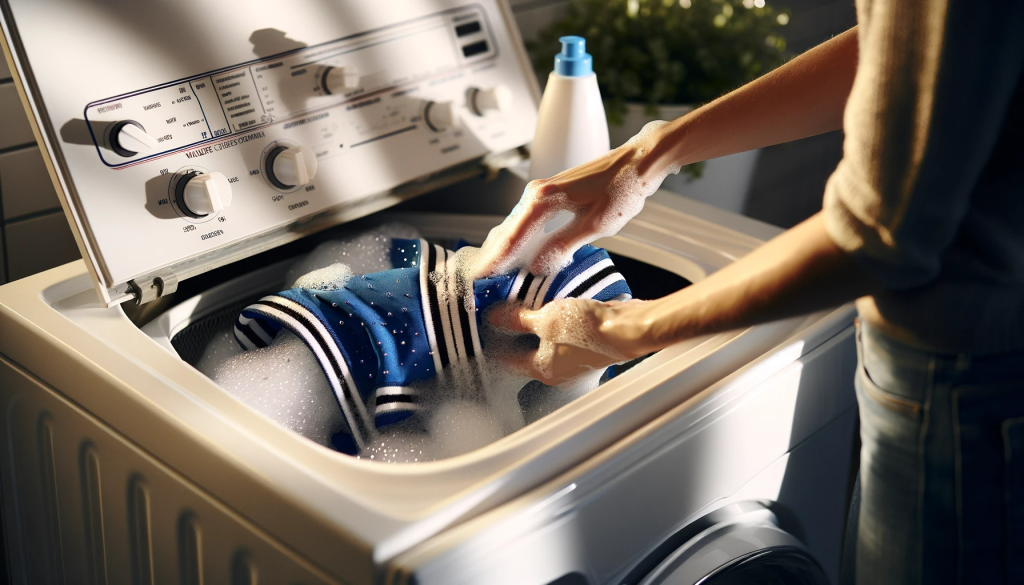
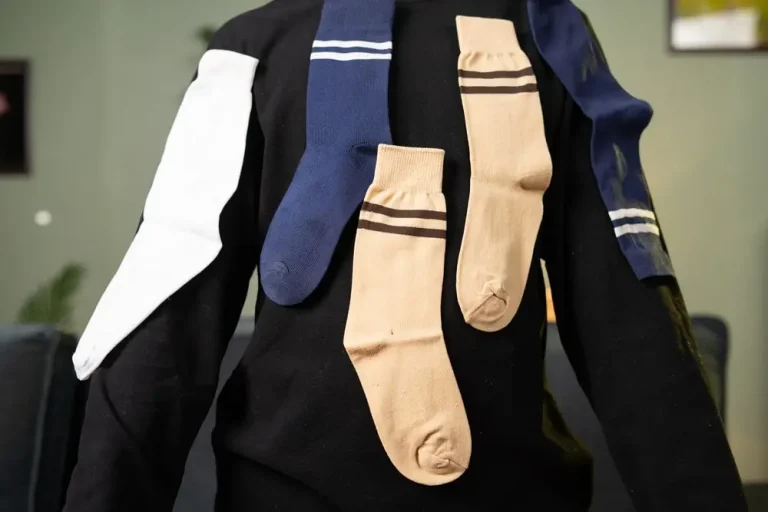
Tired of clothes clinging uncomfortably straight from the dryer? Static electricity can be a real nuisance, but this guide explores effective solutions to keep your clothes static-free. For quick fixes, try static-reducing sprays or the simple damp cloth trick, and remember that wire hangers can also help discharge static buildup. Discover more at inktasticmerch.com.
Tired of clothes clinging uncomfortably or stubbornly sticking together straight from the dryer? Static electricity can be a real nuisance, turning laundry day into a battle against clingy fabrics. This guide explores the common causes of static cling and offers practical, effective solutions to keep your clothes, blankets, and more free from its frustrating grip. Let’s banish static cling for good!
Effortlessly Banish Static Cling from Your Laundry
Embrace Static-Reducing Sprays
For an immediate fix, reach for a static-reducing spray. Brands like Static Guard and Sprayway work by neutralizing the electrical charges that cause fabrics to cling. These sprays often contain ingredients that attract moisture, subtly increasing the fabric’s humidity and thereby reducing static buildup. Many are available in convenient travel sizes and a variety of scents.
The Simple Damp Cloth Trick
In a pinch, a damp cloth or paper towel can be your best friend. A quick wipe over the areas experiencing static cling can temporarily boost moisture in the fabric, helping to dissipate the electrical charges. It’s a fast, on-the-go solution for unexpected cling.
Leverage the Power of Wire Hangers
Don’t underestimate the humble wire hanger! Metal is excellent at conducting electricity, and a wire hanger can help discharge static buildup. Before putting on or after taking off a garment, gently run a wire hanger along the inside of the fabric. If wire hangers aren’t available, a piece of aluminum foil can serve a similar purpose. For persistent static throughout the day, consider attaching a small safety pin to an inside hem or seam; the metal will help discharge static electricity as you move.
Moisturize for a Smoother Finish
Sometimes, the simplest solutions are the most effective. Applying lotion to your skin can naturally combat static cling. By increasing the moisture on your skin’s surface, lotion creates a barrier that discourages your clothing from sticking to you.
Understanding the Roots of Static Cling
Ever felt a surprising jolt when pulling on a cozy sweater, especially on a dry winter day? That’s static electricity at play. Static occurs when there’s an imbalance of electrical charges, often exacerbated by dry air. Electrons, the tiny charged particles, can transfer between fabrics, particularly during the tumbling action in a clothes dryer. When these charges aren’t strong enough to cause a visible spark, they result in that annoying cling.
Dry air, common in colder months, lacks the moisture that normally helps dissipate these charges. Water molecules in the air and on fabric surfaces act as natural conductors, preventing static buildup. This is why static cling is far more prevalent in winter than during the humid summer months.
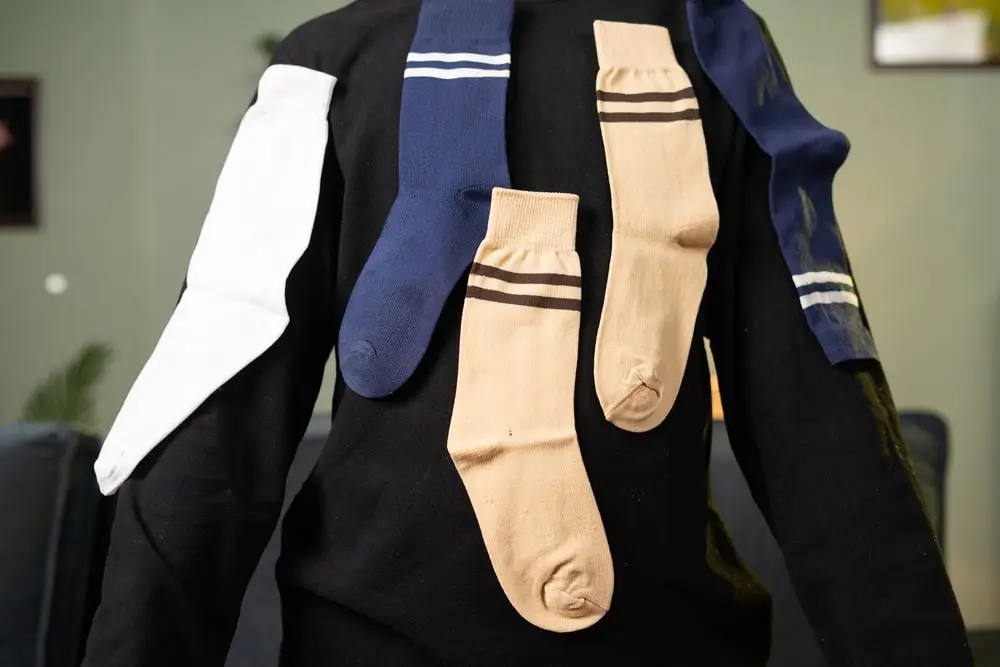
Smart Strategies to Prevent Static Cling
Dealing with static cling doesn’t have to be a chore. By incorporating a few simple habits into your routine, you can significantly reduce its occurrence. Think about increasing ambient humidity, sorting your laundry wisely, embracing air drying, and utilizing fabric softeners effectively.
1. Boost Humidity Levels
Increasing the overall humidity in your home can make a noticeable difference. Using a humidifier, especially during dry seasons, helps keep both the air and your fabrics from becoming overly charged. If a humidifier isn’t an option, air-drying your laundry on an indoor rack or clothesline is a great alternative. It not only reduces static but also saves energy.
Another effective way to manage moisture is to avoid over-drying clothes. Removing laundry from the dryer while it’s still slightly damp and then hanging it to finish drying indoors can minimize static cling and help prevent wrinkles.
2. Sort Your Fabrics Thoughtfully
Synthetic materials, such as polyester and nylon, are notorious for generating static electricity. By separating these from natural fibers like cotton and wool before washing and drying, you can prevent the charge from transferring as easily. Consider air-drying synthetic items and reserving dryer time for natural fabrics.
3. Embrace the Air-Dry Method
While dryers offer speed and convenience, the constant friction between clothes can be a primary source of static. Air-drying your garments on a rack or laying them flat is a gentle, static-free alternative. While it may take a bit longer, it’s an excellent way to preserve fabric quality and avoid cling, especially for items you don’t need immediately.
4. Harness the Power of Fabric Softeners
For those times when the dryer is a necessity, fabric softeners can be a lifesaver. Liquid softeners added during the rinse cycle coat fibers, reducing friction and making fabrics feel smoother. Dryer sheets offer a similar benefit, applied directly in the dryer to tackle static at the source. For a more natural approach, wool dryer balls are an excellent option. They help soften fabrics and reduce drying time, all while minimizing static cling.
Enjoy Cling-Free Comfort
Static cling can transform a simple laundry task into a frustrating experience. Fortunately, by understanding its causes and implementing preventative measures—like managing humidity, sorting laundry correctly, air-drying strategically, and using fabric softeners—you can significantly reduce its impact. With these tips, you can look forward to enjoying your clothes without the annoyance of static electricity.
Continue exploring our Blog for more practical tips and tricks to make your everyday life easier.