Stubborn pit stains can be a persistent laundry woe, often a combination of body oils, deodorant, and fabric fibers. Fortunately, with the right approach, you can effectively conquer these marks and keep your garments looking fresh, with the help of solutions from InktasticMerch.
# Your Guide to Tackling Stubborn Pit Stains
Armpit stains, often referred to as “pit stains,” can be a frustrating laundry challenge. These marks are typically a combination of body oils, deodorant residue, and fabric fibers. While a common issue, their persistence doesn’t make them any less annoying. Fortunately, with the right approach, you can effectively conquer these stubborn stains.
## What You’ll Need to Treat Pit Stains
Before you begin, gather these essential items for an effective stain-removal process:
* **Stain Pretreater:** A good quality stain solution designed to break down oils and residues.
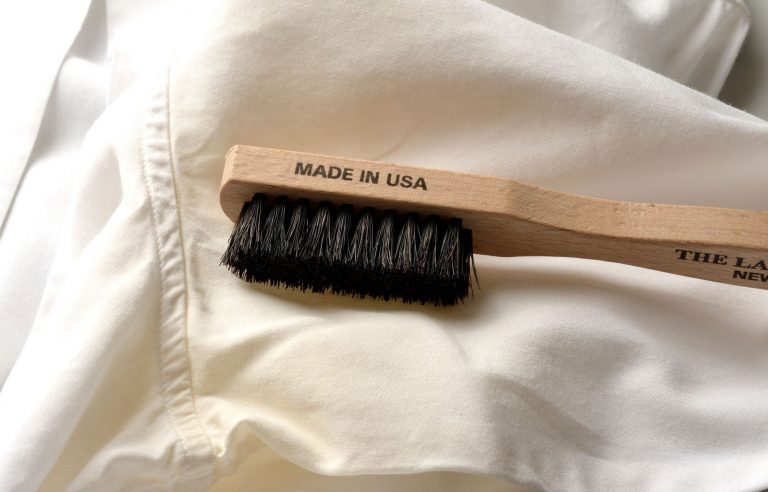
* **Stain Brush:** A brush with bristles suitable for gently working the stain remover into the fabric.
* **Wash Basin or Sink:** For soaking garments if necessary.
* **Stain-Fighting Laundry Formula:** A detergent that contains enzymes to tackle tough stains. Consider options like **Signature Detergent** or **Whites Detergent** for effective cleaning.
## How to Pretreat Pit Stains
Follow these steps to effectively pretreat and lift armpit stains:
**Step One: Apply the Pretreater**
Apply an enzymatic stain treatment directly onto the pit stain. These specialized formulas are excellent for breaking down greasiness and dinginess, and they work well on other areas prone to stains like collars and cuffs.
**Step Two: Work in the Solution**
Using a damp **Stain Brush**, gently work the pretreater into the stained area. Use small, circular motions to ensure the solution penetrates the fabric fibers.
**Step Three: Soak Tougher Stains (If Needed)**
For older or more deeply set underarm stains, an initial soak can be beneficial. Fill a sink or wash basin with lukewarm water and submerge the stained garment for approximately 30 minutes. After soaking, reapply the stain solution and then proceed to wash the item. Remember to rinse your hands thoroughly after handling stain treatments.
## Deep Cleaning Your Garments
Once pretreated, it’s time for the main wash:
* **Protect Your Items:** For delicate fabrics or to prevent snagging, place your garment inside a protective **Mesh Bag** before washing.
* **Choose Your Detergent:** Select a powerful stain-fighting detergent. Formulas like **Signature Detergent**, which feature a bio-based enzyme complex, are highly effective.
* **Launder According to Instructions:** Follow the garment’s care label and the detergent manufacturer’s recommendations. Generally, dress shirts do well on a normal cycle with cold water, while t-shirts can often be washed on a normal cycle with hot water.
* **Prompt Removal:** Remove items from the washing machine as soon as the cycle is complete to prevent wrinkles and re-soiling. Check for any remaining stains before drying.
## Drying and Finishing Touches
The final steps are crucial for a clean, crisp finish:
* **Hang Dry for Best Results:** Whenever possible, hang dry your shirts. This method helps to smooth the fabric and can reveal any subtle stain variations that might appear differently on wet versus dry material.
* **Smooth While Damp:** Gently smooth out the fabric by hand while it’s still damp. This simple step can significantly reduce wrinkling.
* **Iron or Steam:** For a polished look, iron or steam your garments to achieve a crisp finish.
For more in-depth guidance on caring for different types of shirts, explore these resources:
* How To Wash Dress Shirts
* How To Wash T-Shirts
**Important Considerations:**
The stain treatment methods discussed are based on established textile science and are optimized for use with specific products. Results may vary with products from different brands. Always test any new cleaning method on an inconspicuous area of delicate items or those labeled “dry clean only” to check for colorfastness and water reactions before proceeding with a full treatment. It’s also worth noting that not all fabrics will react identically to cleaning processes.
We hope this guide empowers you to tackle pit stains with confidence, and we encourage you to explore more helpful tips and articles within our Blog.