# How to Care for Pashmina: A Comprehensive Guide
Pashmina shawls, scarves, and wraps are beloved for their luxurious softness and warmth, making them timeless pieces that can elevate any outfit. However, without proper care, these delicate items can quickly lose their charm. In this guide, we’ll walk you through essential tips for maintaining and caring for your pashmina, ensuring they stay beautiful for years to come.
## Pre-Treatment: Preparing for Washing
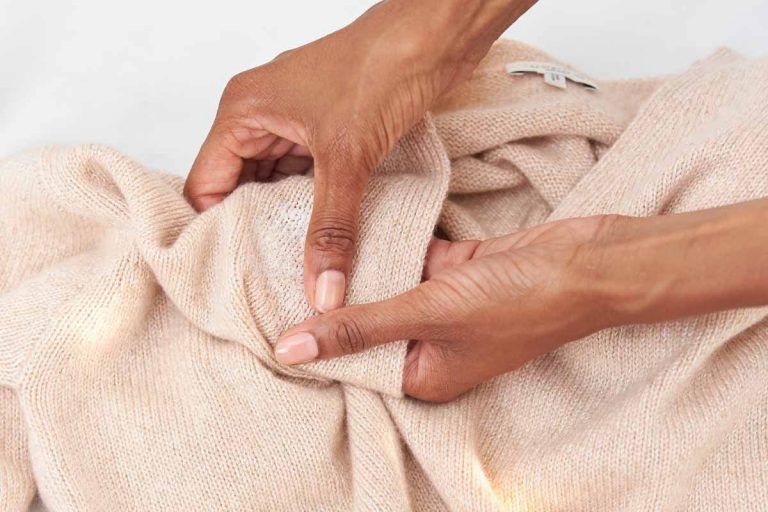
Before washing your cherished pashmina, it’s crucial to pre-treat any stains. Use your preferred stain treatment specifically designed for woolens and pay special attention to areas that are often prone to stains, such as underarm regions, necklines, and cuffs. To effectively treat stains, gently work the fabric using a dedicated **Stain Brush**. Be cautious not to scrub too hard, as this could damage the fibers.
## Handwashing: The Gentle Approach
Handwashing is undeniably the safest and most effective way to clean pashmina items. This method provides optimal control over the washing process and helps maintain their integrity.
1. **Test for Colorfastness:** Before washing, always perform a spot test in an inconspicuous area to check for water exposure and color bleeding.
2. **Preparation:** Fill a washbasin or sink with cool water and add a suitable **Wool & Cashmere Shampoo**.
3. **Wash Carefully:** Immerse the pashmina and gently agitate the water with your hands to help the soap distribute evenly. Allow the item to soak for up to 30 minutes.
This method mitigates the risk of damage that can arise from machine washing, ensuring your pashmina remains as vibrant as the day you bought it.
## Machine Washing: A Quick Solution
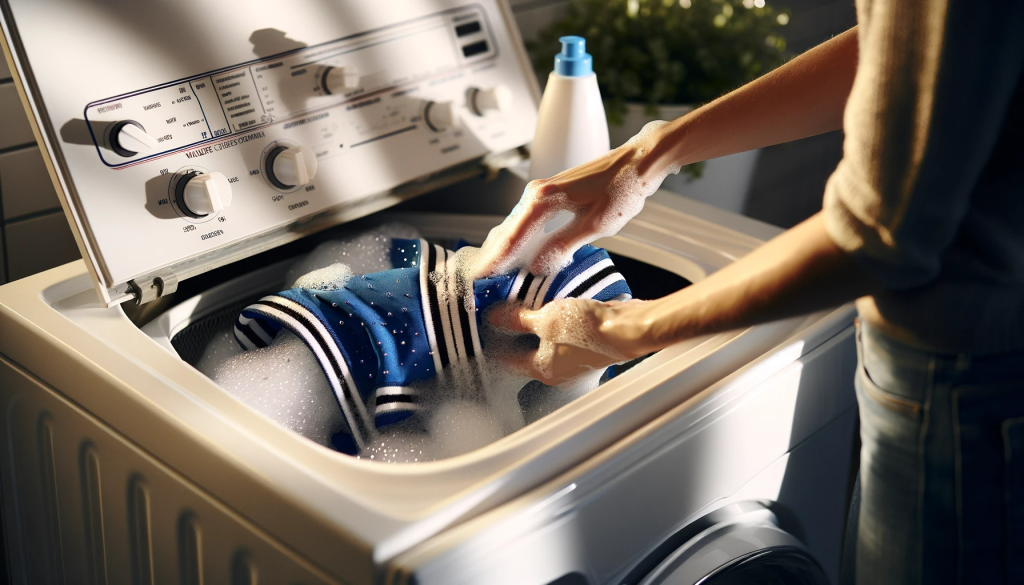
If you opt for machine washing, proceed with caution to ensure your pashmina is protected throughout the process.
1. **Prepare the Item:** Turn your pashmina inside out and place it in a **Mesh Bag** to reduce friction.
2. **Set the Machine:** Select the woolens or delicate cycle on your washing machine, ensuring that the water temperature is set to cold and the spin speed is low.
3. **Add Detergent:** Follow the instructions for the correct amount of **Wool & Cashmere Shampoo** suitable for your load size.
4. **Timely Removal:** After the cycle concludes, remove the pashmina immediately to prevent any creasing.
By following these steps, you can effectively machine wash your pashmina while minimizing potential damage.
## Drying and Finishing Touches
Proper drying is vital for preserving the shape and texture of your pashmina. Here’s how to do it right:
1. **Lay Flat to Dry:** To begin, lay your pashmina flat on a clean towel. Roll it up like a sleeping bag to absorb excess water.
2. **Reshape and Dry:** Place the pashmina flat in its natural shape on a drying rack or a clean towel, avoiding the dryer completely.
3. **Avoid Heat Exposure:** Keep your pashmina away from direct sunlight and heat sources, like radiators, as these can cause yellowing or shrinkage.
4. **Steaming:** If wrinkles appear, gently steam the pashmina for a safe finish. Avoid ironing, as it can flatten the natural fibers and ruin the garment’s texture.
## De-Pilling: Maintaining Smoothness
Over time, you might notice little balls of fabric forming on your pashmina, a common occurrence known as pilling. Here’s how to manage it:
1. **Use the Right Tools:** For lighter pashminas, a sweater comb works effectively to remove pills, while a pumice sweater stone is ideal for heavier fabrics.
2. **Technique:** Always glide your tool in one direction to lift the pills, and never attempt this on wet fabric. Remember, pilling is a natural byproduct of wear and friction, so regular maintenance will help keep your pashmina looking fresh.
## Proper Storage: Protecting Your Investment
Storing your pashmina correctly is essential for maintaining its quality. Here are some best practices:
1. **Fold, Don’t Hang:** For woven pashminas, folding is the best practice as it diminishes the risk of stretching or distortion.
2. **Cleaning Before Storage:** Always store your pashmina clean to deter pests that might be attracted to food residues.
3. **Use the Right Storage Materials:** Opt for a breathable cotton or canvas storage bag with a zip closure for protection. Avoid plastic bags, as they can promote mildew and lead to yellowing.
4. **Environmental Considerations:** It’s crucial to create a storage environment that helps preserve the fabric’s integrity. Pashmina is crafted from natural fibers, making it susceptible to damage from insects.
## Conclusion
By following these careful washing, drying, de-pilling, and storage techniques, you can ensure your pashmina shawls, scarves, and wraps retain their exquisite softness and beauty. Treating them with the respect they deserve will not only enhance their longevity but also allow you to enjoy these luxurious accessories for many seasons to come.