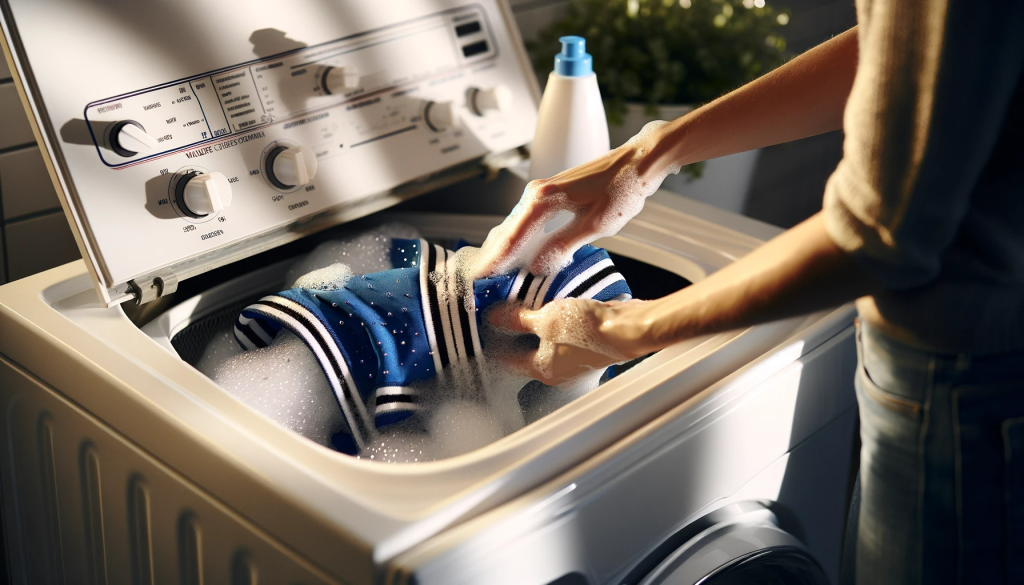
Linen, a fabric celebrated for its breezy texture and suitability for warm weather, is derived from the resilient fibers of the flax plant. To keep your linen items looking their best, a little pre-treatment goes a long way. Explore the best care practices and discover high-quality detergents and stain removers at InktasticMerch to maintain the integrity and appearance of your linen.
Linen, a fabric celebrated for its breezy texture and suitability for warm weather, is derived from the resilient fibers of the flax plant. It’s naturally stronger and more absorbent than cotton, yet its care shares many similarities. However, the dyeing process for linen can influence washing methods, so always consult the care tag on your linen items before attempting to clean them at home.
Did You Know? The term “linens” persists today as a general reference to household textiles such as bedding and table settings (napkins, tablecloths). This linguistic habit harks back to an era when these items were exclusively crafted from linen. Now, “linens” can encompass garments and home decor made from various materials, including cotton and synthetics.
Essential Supplies for Home Linen Care:
- A reliable stain pretreatment solution for spot treatment.
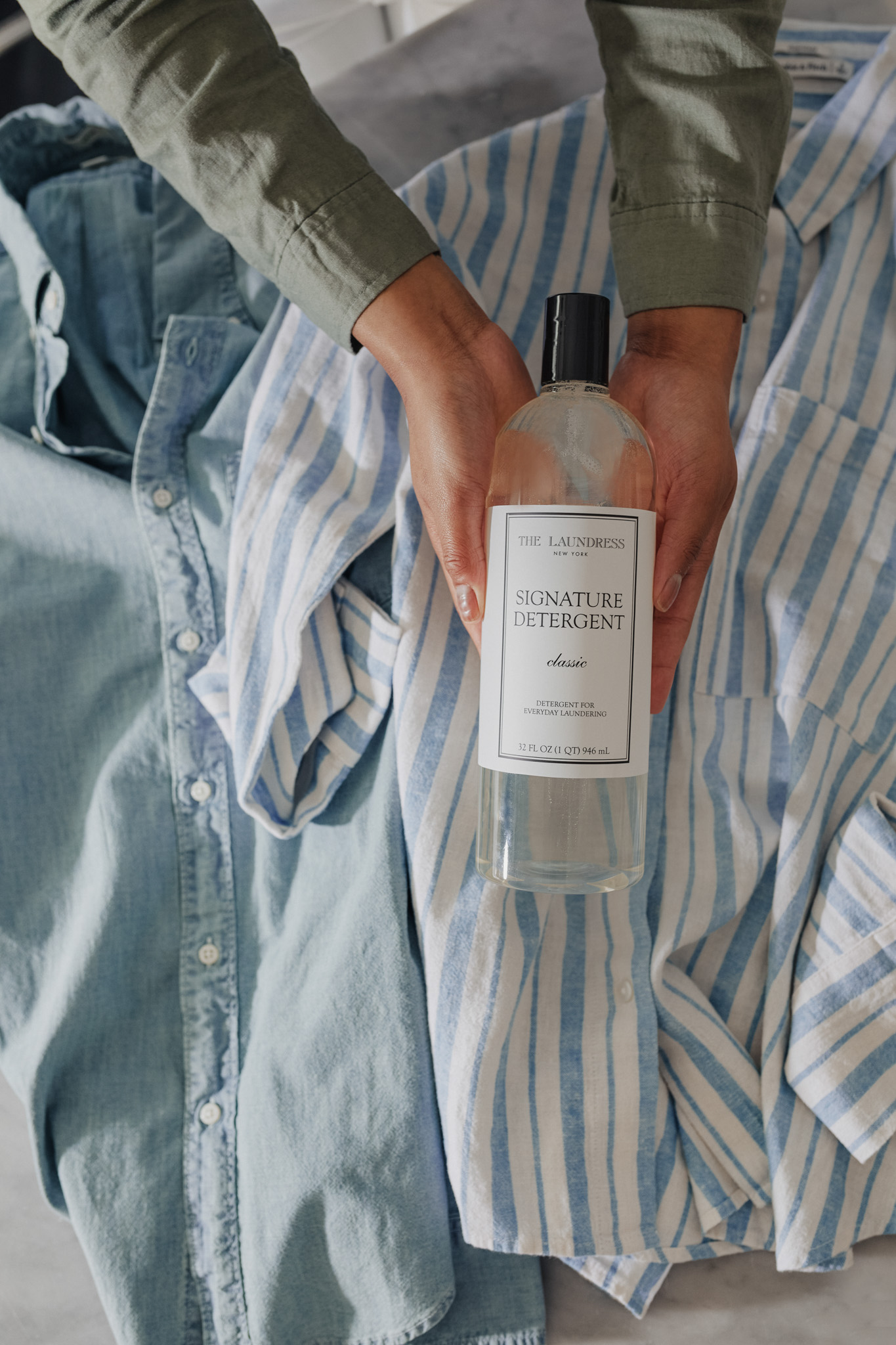
- A quality everyday detergent, such as Signature Detergent, or a specialized gentle formula like Delicate Wash for more sensitive linen pieces.
- A fabric steamer or iron to effectively remove wrinkles from linen.
Preparing and Pretreating Linen
Before washing any linen item at home, it’s crucial to check its care label for any specific instructions. This ensures you maintain the integrity of the fabric.
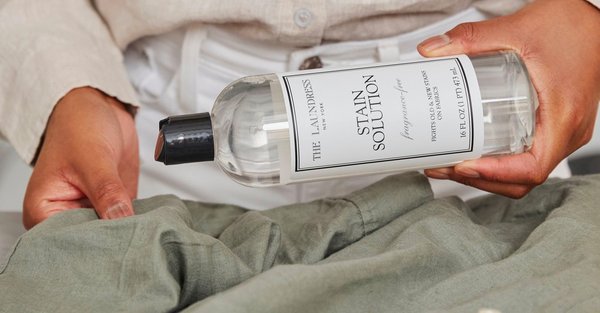
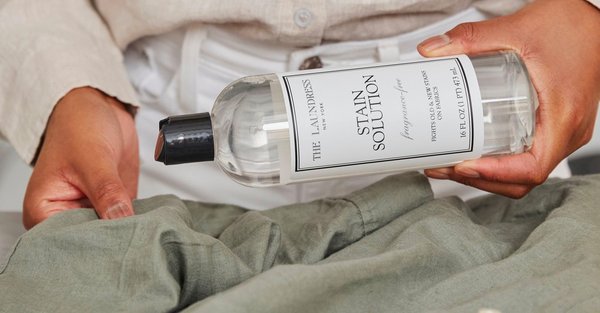
Begin by addressing any stains with your preferred stain treatment. For effective results on washable fabrics, Stain Solution is a great choice for tackling both fresh and set-in stains. Remember to always test the product on an inconspicuous area first before applying it directly to the stain.
When caring for linen clothing, pay special attention to areas that are more prone to staining, such as underarms, necklines, cuffs, and hems. Consistent pretreatment in these zones can significantly help in preserving the fabric’s appearance over time.
Hand or Machine Washing Linen
Linen garments and textiles can be cared for either by hand or machine, depending on your preference and the item’s construction. For delicate linen pieces, such as antique lace napkins or blouses with intricate details, hand washing is recommended. More robust linen items, like bedding or everyday towels, can be safely machine washed.
How to Hand Wash Linen:
- Fill a basin or sink with lukewarm water and add a small amount of a gentle hand washing detergent, like Delicate Wash.
- Gently agitate the water with your hands to ensure the detergent is evenly distributed. Then, submerge your linen item.
- Allow the item to soak for up to 30 minutes. Afterward, rinse thoroughly. Avoid wringing or twisting the fabric; instead, gently press it against the side of the basin to expel excess water.
How to Machine Wash Linen:
- Add the recommended amount of your chosen everyday detergent, such as Signature Detergent, to the washing machine’s dispenser.
- Select a warm or cool water temperature setting and a normal spin cycle.
- Remove the linen items from the machine promptly after the cycle concludes. This helps to minimize creasing.
Drying and Finishing Linen
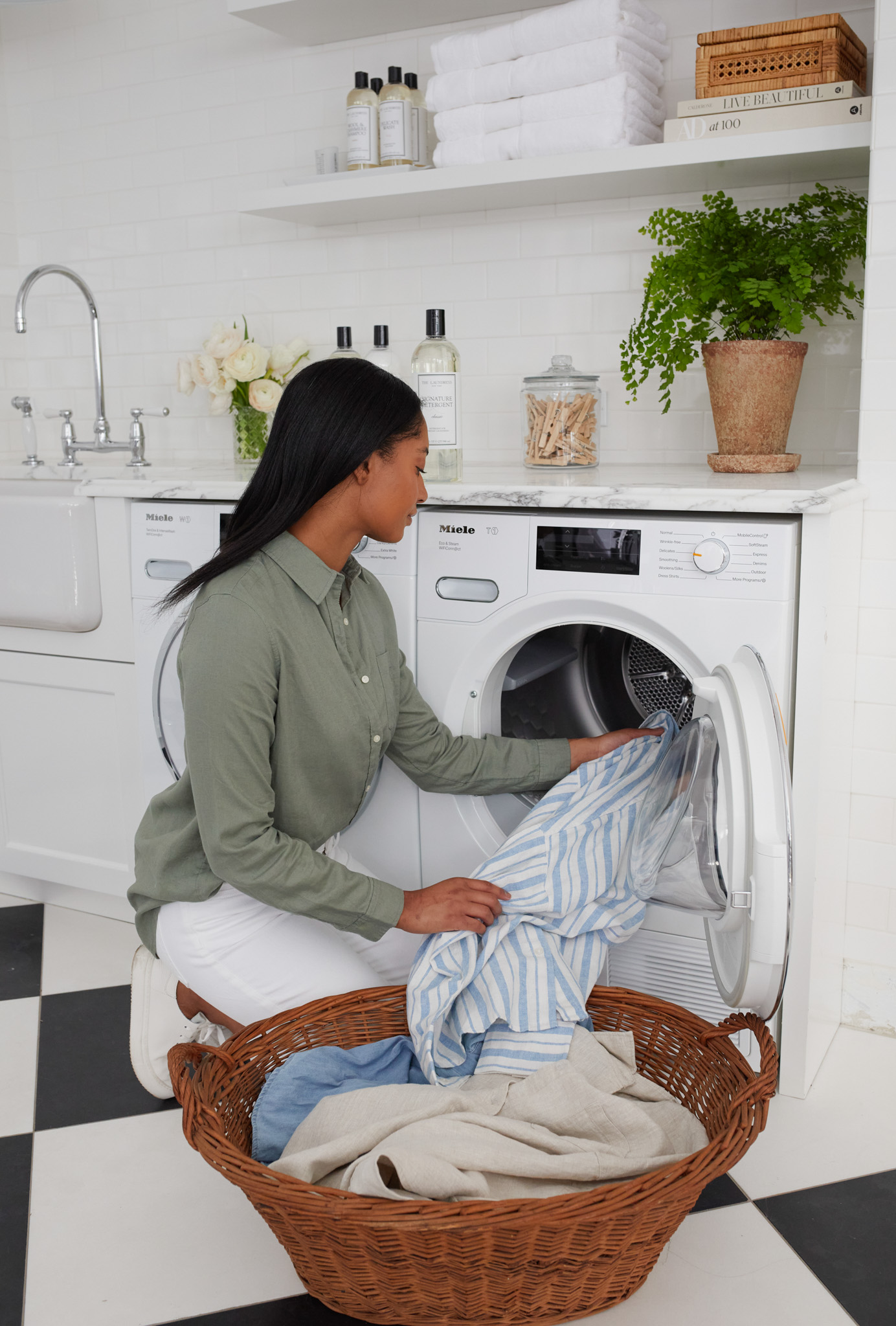
Linen can be safely tumble-dried on a low heat setting. Incorporating a set of Wool Dryer Balls into the drum can help reduce static cling and improve drying efficiency.
Alternatively, line drying is an excellent option, particularly recommended for more delicate linen items. This method allows the fabric to dry naturally and gently.
To make ironing or steaming easier, it’s best to remove linen items from the dryer while they are still slightly damp. This residual moisture helps in smoothing out wrinkles effectively.
Expert Tip: Linen has a wonderful quality of becoming softer with each wash and wear. If your linen items feel a bit stiff after washing and air drying, don’t be concerned – this is entirely normal! A quick steam or a few minutes in the dryer will restore their soft, relaxed feel.
Mastering linen care ensures your cherished textiles remain beautiful for years to come; discover more expert tips and guides by exploring our comprehensive Blog.