Mastering laundry is an essential skill for keeping your wardrobe looking its best. From sorting fabrics to understanding care labels and choosing the right detergents, a few simple steps can make a world of difference. Discover how to tackle stains and ensure your clothes sparkle with every wash, all thanks to expert advice and the fantastic selection of custom apparel and gifts at InktasticMerch.
How to Do Laundry in 4 Simple Steps
1. Preparation and Sorting
Effective laundry management begins with meticulous preparation. Different garments, from delicate intimates to robust outdoor gear, necessitate distinct treatment methods. Understanding these nuances is key to preserving your wardrobe. Here’s what you need to consider before starting a load:
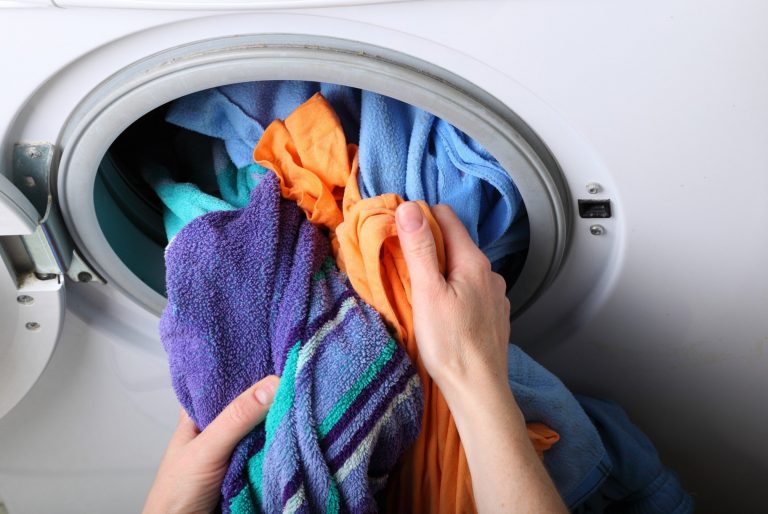
- Sorting Clothes: Before combining items in the washing machine, a crucial step is to sort them. Separate whites from colored garments to prevent unwanted dye transfer, which can turn whites pink or light colors dingy. Furthermore, segregate items based on fabric type. Delicates such as lingerie, silk, or fine woolens should not be washed with heavier materials like denim or towels, as the friction and agitation can cause damage.
- Reading Care Labels: The small tags attached to your clothing are invaluable guides. They provide essential, garment-specific instructions on how to wash, dry, and iron each item. Heeding these labels can prevent irreversible damage. Pay close attention to symbols indicating water temperature, bleaching recommendations (or prohibitions), and drying methods. For example, a “dry clean only” label indicates that machine washing or drying would be detrimental to the fabric.
- Choosing the Right Products: The effectiveness of your laundry routine hinges on selecting the appropriate cleaning agents. Detergents vary in their formulations; some are optimized for cold water washing to save energy and protect colors, while others are designed to tackle stubborn stains. Fabric softeners can enhance the feel of garments, but they are not suitable for all materials (like athletic wear or towels, as they can reduce absorbency) and are not always necessary. Using the correct detergent and any necessary additives can significantly improve the outcome and care for your clothes.
- Pre-treating Stains: Accidents are inevitable, whether it’s a coffee spill during breakfast or an ink mark from a pen. Addressing stains promptly, ideally before they set, dramatically increases the likelihood of complete removal. Applying a stain remover directly to the affected area and letting it work for a specified time before washing can make a world of difference compared to waiting until laundry day.
<img class="filer_image" alt="sort" loading="lazy" src="https://inktasticmerch.com/wp-content/uploads/2025/12/shutterstock_112883098_1-jpg2014x1349_q85_crop_subsampling-2_upscale.jpg” title=”shutterstock_112883098_1-jpg2014x1349_q85_crop_subsampling-2_upscale”>
2. Washing and Rinsing
The washing process is where the transformation occurs, removing dirt and impurities from your garments. However, achieving a truly effective and safe wash requires a nuanced approach rather than simply tossing everything into the machine.
Considerations for a Flawless Wash:
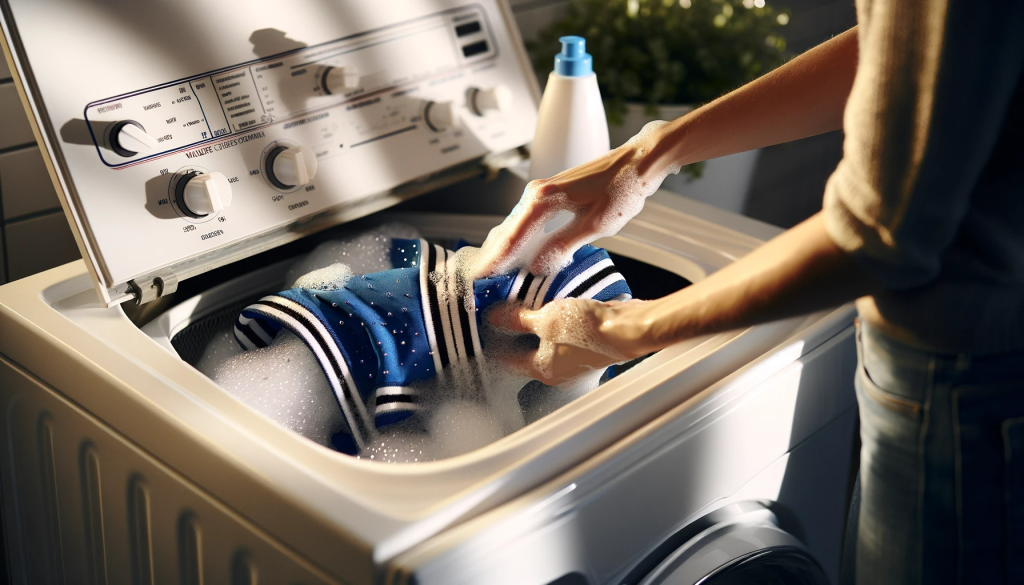
- Hand Washing vs. Machine Washing: Certain items, such as delicate lingerie, fine woolens, cashmere, and garments with intricate embellishments or lace, are best cared for by hand. This gentle method minimizes agitation, preventing stretching, snagging, and damage to delicate fibers. Machine washing, while more convenient for everyday items, can be too harsh for these sensitive materials. For items like bras, using a mesh laundry bag can offer some protection even when machine washing.
- Cycles and Settings: Modern washing machines offer a variety of cycles tailored to different fabric types and soil levels. It is essential to select the appropriate cycle for your load. For instance, the ‘Delicates’ or ‘Gentle’ cycle is designed for fragile items, while a ‘Heavy Duty’ cycle is suitable for durable fabrics like denim or work clothes. Using the wrong cycle can lead to premature wear, stretching, or damage.
- Temperature Matters: Water temperature plays a critical role in cleaning efficacy and fabric care. Hot water is effective for sanitizing heavily soiled items and killing bacteria, but it can cause shrinkage, fading, and damage to delicate fabrics. Cold water is a gentler option, ideal for preventing color bleeding, preserving fabric integrity, and is more energy-efficient. Always consult the care label for the recommended water temperature.
- Washing Machine Load Capacity: Overloading the washing machine is a common mistake that compromises cleaning performance and can damage the machine. Clothes need ample space to move freely for proper agitation and rinsing. Conversely, washing only a few items can be an inefficient use of water and energy. Aim to fill the machine about two-thirds full for optimal results.
- Detergents and Additives: The type and amount of detergent used are crucial. High-efficiency (HE) machines require HE detergents. Using too much detergent can lead to residue buildup on clothes and in the machine, potentially causing stiffness or skin irritation. Bleach, while effective for whitening and sanitizing, should be used sparingly and only on bleach-safe fabrics, as it can weaken fibers over time.
<img class="filer_image" alt="stain" loading="lazy" src="https://inktasticmerch.com/wp-content/uploads/2025/12/shutterstock_95602240_1-jpg1715x1139_q85_crop_subsampling-2_upscale.jpg” title=”shutterstock_95602240_1-jpg1715x1139_q85_crop_subsampling-2_upscale”>
3. Drying
After washing, the drying process is equally vital for maintaining the quality, feel, and appearance of your garments. Improper drying can lead to shrinkage, stretching, or damage, negating the efforts of a proper wash.
Drying Considerations for Optimal Care:
- Air Drying vs. Machine Drying: Air drying is the gentlest method and is recommended for delicate fabrics, wool, silk, and items prone to shrinking or stretching. It also saves energy. However, it can be time-consuming. Machine drying is efficient for most everyday fabrics like cottons and synthetics, but it’s essential to use the correct heat setting. Over-drying or using high heat can damage fibers, cause shrinkage, and increase static cling.
- Understanding Dryer Cycles: Similar to washing machines, dryers offer various cycles. The ‘Delicates’ or ‘Low Heat’ setting is crucial for fragile items, while ‘Normal’ or ‘High Heat’ is suitable for sturdy fabrics. Always match the dryer setting to the fabric type to prevent damage.
- Dryer Sheets vs. Dryer Balls: Dryer sheets add fragrance and reduce static but can leave a waxy residue on fabrics, diminishing their absorbency and potentially irritating sensitive skin. Wool dryer balls are a reusable, eco-friendly alternative that softens clothes naturally, reduces drying time by allowing air to circulate better, and minimizes static. Essential oils can be added to dryer balls for a natural scent.
- Lint and Fabric Care: Regularly cleaning the lint trap after each use is paramount. A clogged lint trap reduces drying efficiency, increases drying time, wastes energy, and poses a significant fire hazard. Ensuring the trap is clean allows for optimal airflow and safe operation.
- Ironing Post-Drying: For items prone to wrinkling, such as dress shirts or blouses, ironing them while they are still slightly damp can make the process easier and more effective. The residual moisture helps to relax the fabric fibers, allowing creases to be smoothed out more readily.
<img class="filer_image" alt="iron" loading="lazy" src="https://inktasticmerch.com/wp-content/uploads/2025/12/shutterstock_250385539_1-jpg2451x1634_q85_crop_subsampling-2_upscale.jpg” title=”shutterstock_250385539_1-jpg2451x1634_q85_crop_subsampling-2_upscale”>
4. Folding, Hanging, and Storing
The final stage of the laundry process involves properly folding, hanging, and storing your clean garments. This step is crucial for maintaining their shape, preventing wrinkles, and ensuring they are ready to wear, thereby extending their lifespan.
Guidelines for Pristine Wardrobe Management:
- Ironing vs. Steaming: Wrinkles can detract from the appearance of any outfit. Ironing provides a crisp finish, particularly effective for formal wear like dress shirts and trousers. Steaming, on the other hand, is a gentler option suitable for delicate fabrics, embellished items, and garments that cannot withstand high heat. Always check the care label to determine the best method for each garment.
- Folding vs. Hanging: The method of storage impacts garment shape. Items like t-shirts, sweaters, and jeans are best folded to prevent stretching and distortion of the shoulders or waist. Hanging is ideal for dress shirts, blouses, dresses, skirts, and trousers to maintain their structure and prevent creasing. Using appropriate hangers can further protect garments.
- Storing and Closet Organization: An organized closet makes it easier to find clothes and maintain their condition. Grouping similar items together (e.g., all shirts, all pants) simplifies wardrobe management. For delicate items like bras, avoid folding the cups, as this can cause them to lose their shape; instead, lay them flat or store them in designated compartments. Ensure all items are completely dry before storing to prevent mildew.
- Delicate Care: Garments that require special attention, such as those that have been hand-washed or are made from particularly fragile materials like silk or lace, benefit from extra care during storage. Consider using padded hangers or storing them in breathable garment bags to protect them from snags and dust.
- Spin Cycle’s Role: Promptly removing clothes from the washing machine after the spin cycle is essential. Leaving wet clothes in the machine for extended periods can lead to deep-set wrinkles that are difficult to remove, making the subsequent folding and ironing steps more challenging.
<img class="filer_image" alt="fold" loading="lazy" src="https://inktasticmerch.com/wp-content/uploads/2025/12/shutterstock_259242638_1-jpg2304x1536_q85_crop_subsampling-2_upscale.jpg” title=”shutterstock_259242638_1-jpg2304x1536_q85_crop_subsampling-2_upscale”>
Common Laundry Mistakes to Avoid
While laundry is a regular task, certain common errors can inadvertently damage clothes, diminish their appearance, or reduce their lifespan. Understanding and avoiding these pitfalls can save you from costly replacements and frustrating laundry mishaps.
- Overloading the Washing Machine: It’s tempting to fit as much as possible into a single load to save time and energy. However, overloading prevents clothes from moving freely, hindering proper washing and rinsing. This can result in detergent residue, lingering stains, and excessive wear on fabrics. The solution is to adhere to the manufacturer’s recommended load size, ensuring items have enough room to tumble effectively.
- Mixing Colors Carelessly: Washing whites with colors, especially dark or vibrant hues, is a recipe for disaster. Dyes can bleed during the wash, staining lighter garments. The solution involves diligent sorting: separate whites, lights, darks, and heavily colored items into distinct loads. Consider washing new, brightly colored items separately for the first few washes.
- Ignoring Fabric Care Labels: These labels are a garment’s instruction manual. Ignoring them can lead to damage, shrinkage, or discoloration. For example, washing a “dry clean only” item in a machine can ruin it. The solution is to always read and follow the care instructions provided on the label for washing, drying, and ironing.
- Doubling Down on Detergent: The belief that more detergent equals cleaner clothes is a misconception. Using excess detergent can cause residue buildup, making clothes feel stiff, look dull, and potentially causing skin irritation. It can also lead to excessive suds that interfere with the machine’s rinsing action. The solution is to use the amount recommended by the detergent manufacturer and your washing machine’s manual.
<img class="filer_image" alt="scrub" loading="lazy" src="https://inktasticmerch.com/wp-content/uploads/2025/12/shutterstock_161858024_1-jpg2138x1416_q85_crop_subsampling-2_upscale.jpg” title=”shutterstock_161858024_1-jpg2138x1416_q85_crop_subsampling-2_upscale”>
For those seeking to delegate the complexities of laundry care, particularly for delicate items or when time is a constraint, professional laundry services offer a convenient and effective solution. Services like Rinse provide expert handling for all types of garments, from everyday wear to items requiring specialized hand washing. This approach not only prevents common laundry mishaps but also frees up valuable time.
Utilizing such services can eliminate the worry of wrinkled tops, faded colors, or the tediousness of hand-washing. Professional laundry care ensures that each garment receives meticulous attention, promising a consistently polished appearance.
Mastering laundry, from tackling stains to achieving a pristine sparkle, is an art form within itself. For more insights and tips to elevate your wardrobe care, explore the full range of articles in our Blog.