
Ever pulled a load of whites out of the washing machine only to find them tinged with an unexpected shade of pink or blue? It’s a laundry mishap many of us have experienced, and it all comes down to a simple step often overlooked: sorting your laundry. Properly separating clothes before washing is crucial for maintaining their color, texture, and overall longevity, a principle we champion at InktasticMerch. Let’s dive into how to sort your laundry effectively to keep your garments looking their best.
Ever pulled a load of whites out of the washing machine only to find them tinged with an unexpected shade of pink or blue? It’s a laundry mishap many of us have experienced, and it all comes down to a simple step often overlooked: sorting your laundry. Properly separating clothes before washing is crucial for maintaining their color, texture, and overall longevity. Let’s dive into how to sort your laundry effectively to keep your garments looking their best.
The Importance of Separating Your Laundry
Clothing isn’t a one-size-fits-all category when it comes to washing. Different colors, fabrics, and levels of soiling require distinct treatment. Washing everything together can lead to color bleeding, where dyes transfer from one garment to another, and can also cause damage to delicate materials. By taking a few extra moments to sort your laundry, you protect your clothes and ensure they come out of the wash looking vibrant and fresh.
A Guide to Separating Your Laundry
Mastering the art of laundry sorting involves considering color, fabric type, and specific garment needs. This approach helps prevent color transfer, preserves delicate fabrics, and ensures that your clothes receive the appropriate care. Let’s break down the essential steps.
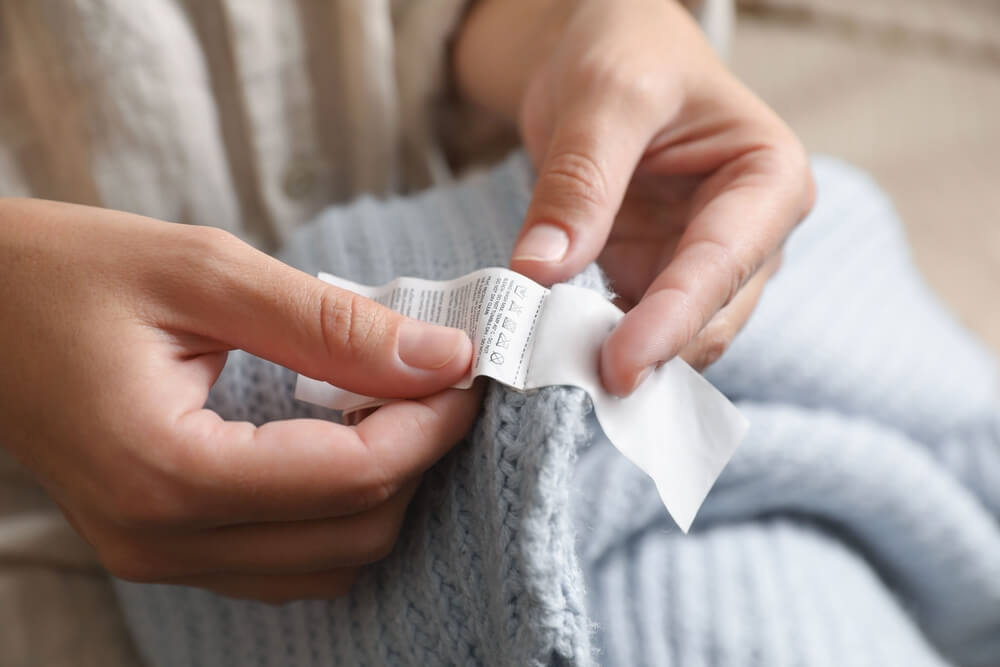
Step 1: Consult the Care Label
Before you do anything else, always check the garment care label. This small tag contains vital information from the manufacturer about the best way to wash, dry, and care for the specific fabric. Use these instructions as your primary guide. This sorting guide is a helpful general reference, especially for items without clear labels.
Step 2: Sort by Color
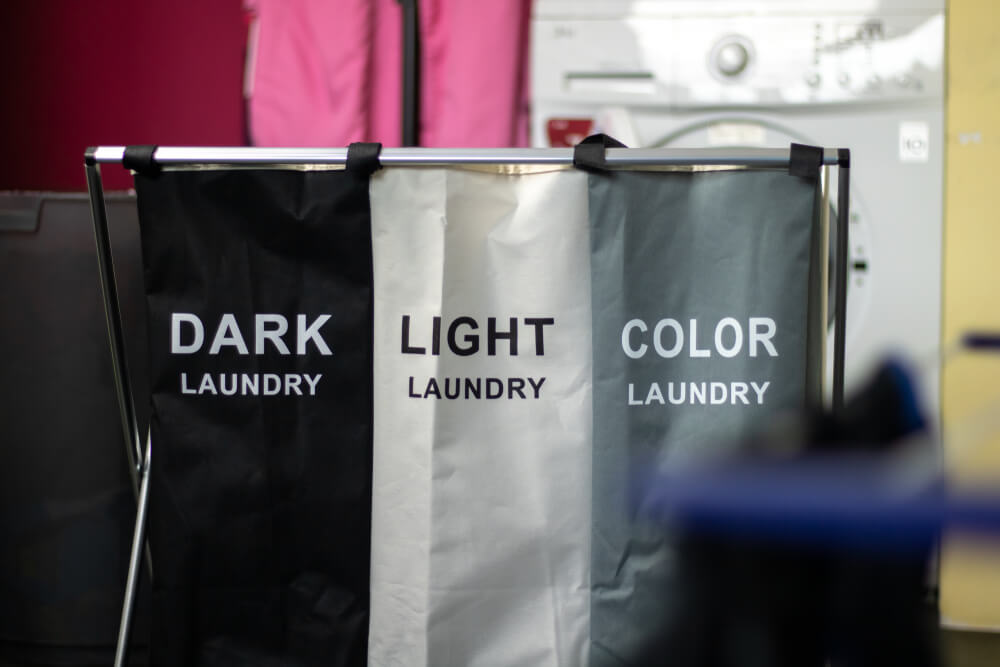
Color separation is more nuanced than simply dividing lights from darks. To truly protect your clothes, consider these four color categories:
- Whites: This category is for all your pure white items, free from any patterns, embroidery, or colored accents. These are the most vulnerable to color transfer from other garments.
- Darks: This includes deep hues like navy, forest green, burgundy, and charcoal gray. While black and brown are also darks, it’s often a good idea to give them their own separate load to prevent any potential dye transfer onto other dark items.
- Lights: This group comprises off-whites, pale pastels, and white items with light-colored prints or embroidery. They are lighter than true whites but still require separation from darker and brighter colors.
- Brights: Think vibrant reds, oranges, yellows, and electric blues. These highly saturated colors are the most likely to bleed. Keep them in their own load to avoid staining whites, lights, or even other brights.
Step 3: Sort by Fabric Type
Different fabrics have unique washing needs. What works for sturdy towels might damage delicate lace. Consider these fabric types:
- Sheets and Bedding: Larger items like comforters and thick blankets often require high-capacity washing machines. Wash sheets separately from comforters. Follow care label instructions, often using the warmest water setting appropriate for the material.
- Towels: Keep towels together, but separate whites from colored towels to prevent dye transfer. Most towels can handle hot water and an extra rinse cycle to ensure all detergent is removed.
- Delicates: Fabrics like silk, chiffon, lace, fine wool, and linen are considered delicates. Always follow their specific care instructions, as many require hand washing. If machine washing is permitted, use a mesh bag for protection and wash them separately from other items to prevent snagging or stretching.
- Denim: To minimize shrinkage and preserve color, wash denim inside out in cold water. Use a gentle cycle and wash with similarly colored items.
- Athleticwear: Performance fabrics can trap odors. Wash activewear separately from other clothing using cold water and a mild detergent to effectively tackle sweat and bacteria without damaging the material.
Additional Laundry Sorting Insights
Beyond color and fabric type, a few other considerations can significantly improve your laundry results. These extra steps ensure your clothes receive the best possible care.
Handling Stained and Heavily Soiled Items
Before tossing items into the wash, inspect them for stains or heavy soiling. It’s best to treat these items separately. Pre-treat any stains according to product instructions. Then, wash these heavily soiled garments in a separate load, potentially using a longer cycle and the appropriate water temperature for the fabric. This prevents dirt and stain particles from transferring to cleaner clothes. After washing, check if the stain is gone before drying. If not, repeat the treatment or air dry the item; heat from a dryer can set stains permanently.
Washing New and Brightly Colored Items
New clothes, especially those with vibrant dyes, have a tendency to bleed during their first few washes. It’s wise to wash them separately from your other laundry for the initial cycles. Likewise, brightly colored items should never be mixed with darks or whites, as the risk of color transfer is high. Always sort new garments by color and fabric type to avoid damaging your existing wardrobe.
By mastering these sorting techniques, you’re well on your way to consistently clean and well-maintained clothes. For more helpful tips and guides on various lifestyle topics, be sure to explore our Blog.