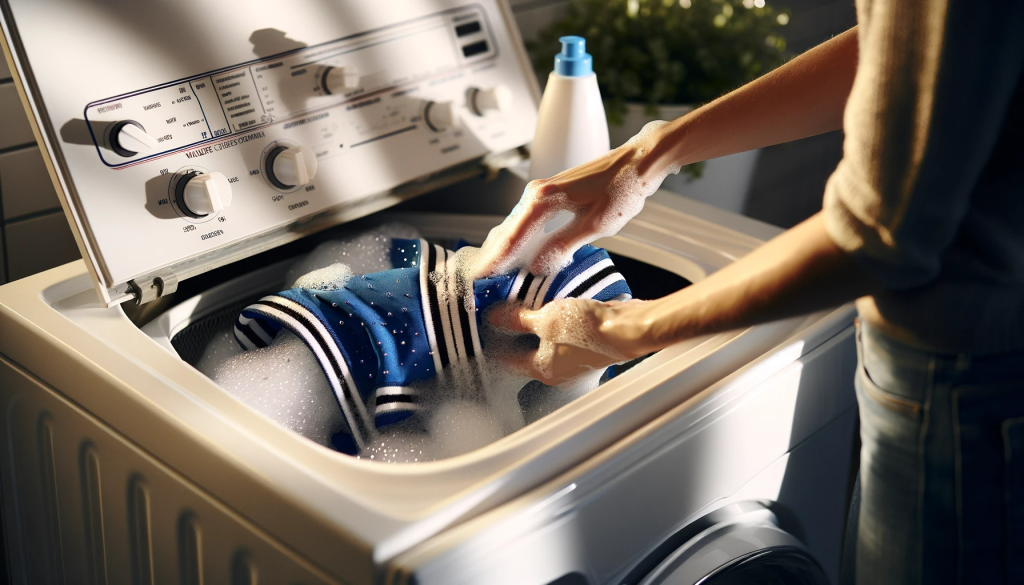
Fabric softener enhances the feel and scent of clothes, coating fibers for a softer texture and reduced static. While beneficial for laundry, understanding its composition of waxy fatty acids and their interaction with fabric is key to informed use. Discover more about everyday laundry solutions at inktasticmerch.com.
Understanding Fabric Softener: Purpose and Function
Fabric softener, also referred to as fabric conditioner, is a common laundry additive designed to enhance the feel and scent of clothes. Beyond its aromatic appeal, it aims to improve fabric texture and reduce static cling. When introduced into the wash cycle, fabric softener coats the fibers of garments, creating a smooth surface that results in a softer feel and increased fluffiness. This conditioning effect contributes to a more luxurious texture and can also extend the lifespan of fabrics. For an enhanced experience, consider using dryer sheets to combat static electricity or wool dryer balls to ensure items remain separated during the drying process.
The primary function of fabric softener is to act as a conditioner for textiles, including clothing and bedding, during the laundry process. Its formula primarily consists of waxy fatty acids. These positively charged fatty acids are attracted to the negatively charged fibers of clothes in the washing machine. This interaction lubricates the fibers and neutralizes static charges. While a dryer ball can help prevent clothes from clumping, the necessity of fabric softener in a standard laundry routine is a point of consideration.
The use of fabric softener typically leads to a noticeable reduction in wrinkles, minimizes static electricity, and imparts an exceptionally soft feel to fabrics. Post-wash, clothes often carry a pleasant, fresh scent. For those sensitive to fragrances, unscented versions are available, offering the softening benefits without added perfumes.
<img class="filer_image
" alt="unnamed file" loading="lazy" src="https://inktasticmerch.com/wp-content/uploads/2025/12/e7b2f684-2ca3-4722-9769-d4de4b6e22d5-jpg917x607_q85_crop_subsampling-2_upscale.jpg” title=”e7b2f684-2ca3-4722-9769-d4de4b6e22d5-jpg917x607_q85_crop_subsampling-2_upscale”>
Environmental Considerations of Fabric Softeners
While fabric softeners offer desirable laundry outcomes, their use is associated with notable environmental concerns. Choosing eco-friendly alternatives, such as biodegradable fabric softeners, can help mitigate the ecological impact compared to conventional products.
Many traditional fabric softeners are derived from petroleum, posing challenges for biodegradability during their production and disposal. The combustion of petroleum releases greenhouse gases, including carbon dioxide, which contribute to climate change. Furthermore, some liquid fabric softeners are produced using palm oil. While palm oil is a high-yield crop, its cultivation is frequently linked to deforestation. To address this, prioritizing sustainably sourced palm oil, ideally certified by organizations like the Roundtable on Sustainable Palm Oil (RSPO), is essential.
Potential Environmental Impacts
-
Chemical Composition: Certain fabric softeners contain toxic chemicals, such as glutaraldehyde, which can be harmful to marine life and contaminate aquatic ecosystems. These substances can persist in water systems, posing a long-term threat to aquatic biodiversity.
-
Biodegradability Issues: Ingredients like quaternary ammonium compounds (Quats), commonly found in fabric softeners, are resistant to natural degradation processes, particularly in water environments. This persistence raises concerns about their potential to accumulate in aquatic ecosystems and harm wildlife.
-
Eco-Toxicity from Dyes: The dyes used in some fabric softeners can be released during the manufacturing and washing processes, negatively impacting aquatic life. These dyes can interfere with essential biological processes, such as photosynthesis in aquatic plants, thereby disrupting the balance of the ecosystem.
Disposable dryer sheets also contribute to environmental pollution. Often made with non-recyclable polyester and various chemicals, they can release volatile organic compounds (VOCs) into the air, highlighting the importance of seeking more sustainable laundry solutions.
<img class="filer_image
" alt="unnamed file" loading="lazy" src="https://inktasticmerch.com/wp-content/uploads/2025/12/5b541a54-ed25-4ea1-bf21-8aa9297b6f0e-jpg1111x740_q85_crop_subsampling-2_upscale.jpg” title=”5b541a54-ed25-4ea1-bf21-8aa9297b6f0e-jpg1111x740_q85_crop_subsampling-2_upscale”>
Advantages and Disadvantages of Fabric Softener Use
Fabric softeners offer a range of benefits, primarily centered around improving the tactile feel and scent of laundry, but they also come with potential drawbacks. Evaluating these pros and cons can help consumers make informed decisions about their laundry practices.
Advantages of Fabric Softener
Incorporating fabric softeners into your laundry routine can yield several positive outcomes:
-
Static Reduction: Fabric softeners are highly effective at reducing or eliminating static cling, leading to more comfortable clothing and a more pleasant wearing experience. Using a dryer ball can further enhance this effect.
-
Wrinkle Prevention: A significant benefit of fabric softeners is their ability to smooth fabric fibers, which helps to minimize wrinkles. This can simplify the ironing process, making laundry care less time-consuming.
-
Fragrance Enhancement: Many fabric softeners impart a pleasant scent to laundered items, contributing to a feeling of freshness and cleanliness. This aromatic benefit enhances the overall sensory experience of wearing clean clothes.
-
Shape Retention: Fabric softeners can help maintain the shape and structure of garments. By lubricating fibers, they can prevent stretching or distortion, helping clothes retain their original appearance for longer.
-
Color Vibrancy: By forming a protective layer on fabric fibers, some fabric softeners can help preserve the vibrancy of colors, reducing the rate at which clothes fade over time and maintaining their aesthetic appeal.
Disadvantages of Fabric Softener
Despite their advantages, fabric softeners can present several disadvantages:
-
Potential for Allergic Reactions: The chemicals present in some fabric softeners can cause skin irritation or allergic reactions in sensitive individuals. This is particularly a concern for those with pre-existing skin conditions or sensitivities.
-
Fabric Incompatibility: Fabric softeners are not suitable for all types of fabrics. Certain materials, such as those with moisture-wicking properties or flame-retardant finishes, can have their performance compromised or be damaged by softener residue.
-
Residue Buildup: Over time, fabric softeners can leave a waxy residue on clothing and in washing machines. This buildup can reduce fabric absorbency, affect breathability, and potentially lead to odors in the washing machine itself.
-
Preservatives and Dyes: The inclusion of preservatives and dyes in fabric softener formulations can raise concerns regarding both environmental impact and potential health effects, particularly for sensitive individuals.
-
Petroleum-Based Ingredients: As mentioned earlier, many traditional fabric softeners are petroleum-based. Their non-biodegradable nature contributes to environmental pollution, and their production relies on fossil fuels.
Understanding these trade-offs allows consumers to weigh the benefits against the potential downsides when deciding whether and how to use fabric softeners in their laundry routine.
<img class="filer_image
" alt="unnamed file" loading="lazy" src="https://inktasticmerch.com/wp-content/uploads/2025/12/347de2d7-1ae8-4bc7-a038-168d9393ff58-jpg1126x730_q85_crop_subsampling-2_upscale.jpg” title=”347de2d7-1ae8-4bc7-a038-168d9393ff58-jpg1126x730_q85_crop_subsampling-2_upscale”>
Garments That Benefit from Avoiding Fabric Softener
While fabric softeners can enhance the feel of many fabrics, certain types of garments do not require them and may even be negatively affected by their use. Recognizing these exceptions is key to proper fabric care and maintaining the performance and longevity of your clothes.
1. Wools and Delicates
Natural fibers like wool, as well as delicate materials such as silk and lace, often do not benefit from fabric softeners. The chemicals in softeners can degrade the natural lanolin in wool, making it brittle, or can damage the fine structure of silk and lace fibers. Using specialized, gentle detergents designed for these materials is recommended to preserve their texture and integrity.
2. Performance and Activewear
Athletic apparel made with moisture-wicking or quick-drying synthetic fabrics is engineered to manage sweat effectively. Fabric softeners can clog the pores of these technical fabrics, impairing their ability to wick moisture away from the body and reducing their breathability. To maintain the performance features of your workout gear, it’s best to skip the fabric softener.
3. Towels
While it might seem counterintuitive, fabric softeners can diminish the absorbency of towels over time. The softener leaves a coating on the towel fibers that acts as a barrier, preventing them from absorbing water efficiently. To keep towels fluffy and highly absorbent, avoid using fabric softener in the wash cycle.
4. Linen Fabrics
Linen is known for its natural crispness and breathability, qualities that are often enhanced through washing and wear. Fabric softeners, especially those with cationic surfactants, can interfere with this natural softening process and may flatten the characteristic texture of linen. Allowing linen to soften naturally through repeated washing preserves its unique appeal.
5. Flame-Resistant Materials
Garments treated to be flame-resistant, such as children’s sleepwear or certain work uniforms, can have their fire-retardant properties compromised by fabric softeners. The residue left by softeners can interfere with the chemical treatment, reducing the fabric’s ability to resist flames. Always check the care label for specific recommendations.
6. Baby Clothes
Infants often have sensitive skin, making them more susceptible to irritation from chemicals. Baby clothes are typically made from soft, natural fibers, and using fabric softeners—even those marketed as gentle—can introduce potential irritants. Hypoallergenic laundry detergents are a safer choice for cleaning baby clothes to minimize the risk of skin reactions.
<img class="filer_image
" alt="unnamed file" loading="lazy" src="https://inktasticmerch.com/wp-content/uploads/2025/12/090c16e2-13e4-47e5-bfee-3631d763c3f6-jpg773x515_q85_crop_subsampling-2_upscale.jpg” title=”090c16e2-13e4-47e5-bfee-3631d763c3f6-jpg773x515_q85_crop_subsampling-2_upscale”>
Rinse: A Superior Approach to Fabric Care
Discover a modern and effective approach to fabric care with Rinse, a service dedicated to providing exceptional laundry solutions. Our advanced laundry detergent, formulated with potent surfactants, not only ensures impeccable cleanliness but also imparts a superior softness to your garments, going beyond traditional cleaning methods.
Rinse is committed to environmentally responsible practices across all its laundry and dry cleaning services. We offer unparalleled convenience by providing a seamless pickup and delivery service, ensuring your clothes are returned to you fresh, clean, and perfectly cared for, right at your doorstep.
Entrust Rinse to redefine your fabric care experience, whether through our efficient laundry services or our premium dry cleaning solutions. Contact Rinse today to witness the quality and care we bring to every item.
This exploration into fabric softeners only scratches the surface of fabric care; delve deeper into our comprehensive Blog for more essential laundry tips and insights.