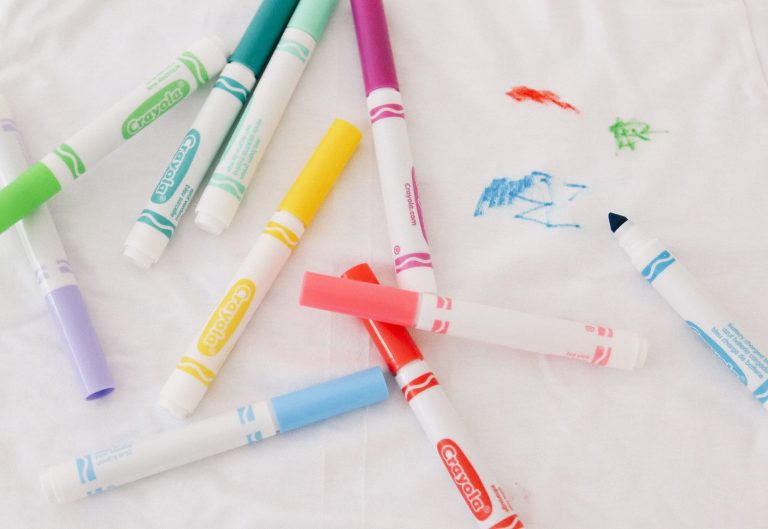
Markers can be a lot of fun for coloring and crafting, but they can also leave unwelcome stains on fabric and clothing. Fortunately, removing ink stains can be straightforward with a little know-how and the right tools, and the experts at InktasticMerch are here to help. This comprehensive guide will provide you with step-by-step instructions to manage and eliminate these disheartening marks from your favorite garments.
## Effective Strategies for Removing Ink and Marker Stains
Markers can be a lot of fun for coloring and crafting, but they can also leave unwelcome stains on fabric and clothing. Whether it’s ink from a marker, pen, or pencil, these stains can feel discouraging. Fortunately, removing ink stains can be straightforward with a little know-how and the right tools. Here’s a comprehensive guide on how to treat these stubborn stains effectively.
### Understand the Challenge of Ink Stains
Ink stains can be particularly tricky, especially if they’re not addressed promptly. Here, we provide a step-by-step guide to help you manage and eliminate these disheartening marks from your favorite garments.
### Gather Your Supplies
Before you start treating the stains, gather the necessary items to make the process easier:
– **Stain Solution**: Ideal for pretreating various stains, particularly those caused by ink and markers.
– **Stain Brush**: A specialized brush designed to effectively work stain solutions into the fabric.
– **Wash Basin or Sink**: For soaking and rinsing.
– **Stain-fighting Detergent**: Use a high-quality detergent, preferably one designed for color stains, to ensure effective cleaning.
### Step-by-Step Stain Removal Process
#### Step One: Pretreatment
1. **Dab Away Excess Ink**: Use a paper towel to gently dab at the stain, removing as much excess ink as possible.
2. **Apply Stain Solution**: Apply your chosen stain solution directly on the stained area. This solution is formulated to break down the ink composition.
3. **Agitate with a Stain Brush**: Using your damp stain brush, gently scrub the area in circular motions to help lift the stain. It’s important to avoid scrubbing outside the stained area to prevent spreading the ink.
**Pro Tip**: For heavier stains, place a few paper towels underneath the fabric to absorb any excess ink and protect your countertops.
#### Step Two: Rinse with Hot Water
To enhance the effectiveness of the stain solution, pour hot water from a kettle or faucet directly onto the stained area. This method can help to dislodge and lift the ink more efficiently. Just remember to keep a safe distance to avoid any splashes.
#### Step Three: Soak for Tough Stains
For older or particularly stubborn stains, a soak may be necessary. Fill a sink or basin with water that the fabric can tolerate (hot water is usually best for everyday fabrics) and let the stained item soak for about 30 minutes. After soaking, reapply the stain solution as needed before placing the garment in the wash.
### Washing and Deep Cleaning
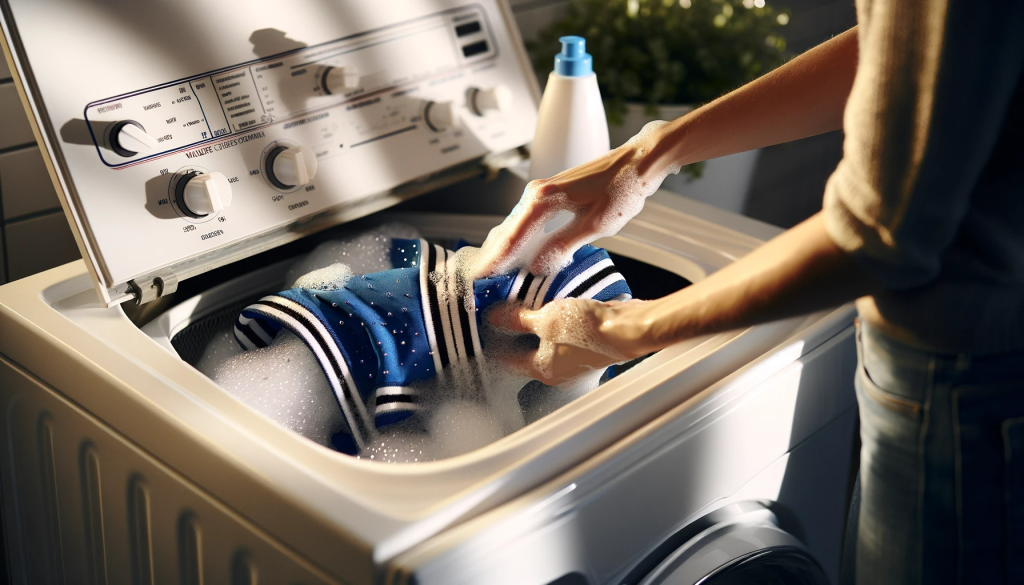
1. **Follow Care Instructions**: Always launder according to the fabric care label for the specific garment.
2. **Use a Targeted Detergent**: Opt for a stain-fighting detergent that is suitable for the type of stain you’re dealing with. For white or light fabrics, a detergent designed for whites can provide additional brightening benefits.
3. **Select the Right Cycle**: Choose the hottest and longest washing cycle that the fabric can withstand to ensure that stains are fully removed.
4. **Inspect Before Drying**: After the wash, check for any remaining stains. If any traces remain, avoid drying the garment until the stains are fully gone.
### Final Drying and Check
When you are confident that the stains have been removed, air-dry the stained items. It’s important to note that some stain residues may only become visible after drying. If you’re not certain that the stain is gone, repeat the treatment process as necessary.
### Important Considerations
It’s worth noting that these stain removal techniques are tailored for optimal results with specific products. While these methods are based on sound textile science, they are intended for use only with the recommended items. Always perform a test on delicate fabrics and items labeled for dry cleaning to check for color bleeding or reactions to water.
### Conclusion
With these strategies at your fingertips, tackling ink and marker stains can be less daunting. By acting quickly and using the right techniques and supplies, you can restore your garments and keep them looking their best. Remember, the key to effective stain removal is a combination of the right product, proper technique, and a bit of patience. Happy cleaning!
Continue exploring our Blog for more insightful articles and expert tips to keep your belongings looking their best.