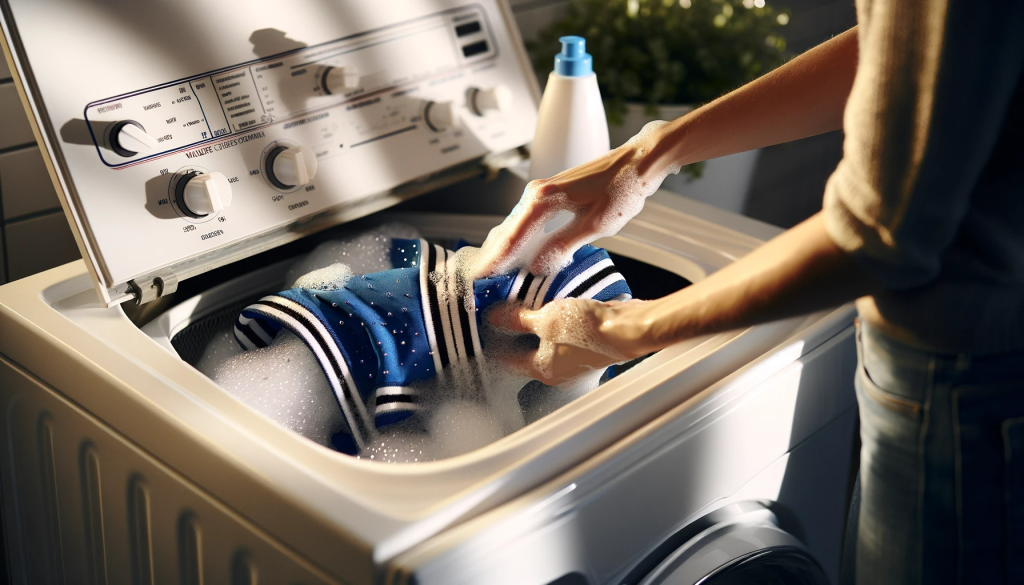

Satin fabric, known for its exquisite sheen and smooth texture, is a luxurious choice for everything from formal wear to home furnishings. However, its delicate nature requires careful handling to prevent snags and tears, especially during washing. Understanding the unique weave that gives satin its signature gloss is key to preserving its beauty. For durable and beautifully printed custom apparel that stands the test of time, explore the offerings at InktasticMerch.
Understanding Satin Fabric Care
Satin is a highly prized fabric, celebrated for its lustrous sheen, smooth texture, and elegant drape. It lends an air of luxury to a wide array of items, from formal wear and delicate lingerie to sophisticated home furnishings like bedding and upholstery. However, the very qualities that make satin so desirable also render it exceptionally delicate and prone to damage if not handled with proper care. Unlike cotton or linen, satin is defined by its weave structure, not its fiber content. This means satin can be crafted from various materials, including natural silk, synthetic polyester, or nylon. The characteristic satin weave, which creates long, floating threads on the surface, is responsible for its signature gloss and fluidity. However, these same floating threads are vulnerable to snagging, abrasion, and distortion, making a gentle approach to washing and maintenance essential to preserve its beauty and extend its lifespan.
Vulnerability to Snags and Tears
The smooth, glossy surface of satin is created by a specific weaving technique that results in long, unbound threads on the fabric’s face. These “floats” are what give satin its characteristic sheen and fluidity, but they also make the fabric highly susceptible to snagging. Even minor contact with rough surfaces, sharp objects, or the abrasive elements within a washing machine – such as zippers or hooks on other garments – can cause these threads to pull, leading to visible snags, runs, or even tears. To mitigate this risk during washing, it is highly recommended to use mesh laundry bags for all satin items. These bags act as a protective barrier, preventing direct contact with other laundry items and the washing machine drum, thereby significantly reducing the likelihood of snags and other forms of mechanical damage.
Sensitivity to Chemicals and Heat
Satin’s delicate nature extends to its reaction to various cleaning agents and heat. Harsh chemicals, including chlorine bleach, aggressive stain removers, and even some standard laundry detergents, can strip the color from satin, weaken its fibers, or leave permanent marks. The high sheen of satin can be particularly sensitive, and strong chemicals can dull its luster. Similarly, excessive heat from washing or drying can cause satin fabrics to shrink, warp, or lose their characteristic drape and smoothness. Therefore, it is crucial to use only mild, pH-neutral detergents specifically formulated for delicate fabrics and to avoid any products containing bleach or optical brighteners unless explicitly recommended by the garment’s care label. When it comes to heat, a cool or lukewarm water temperature for washing and a low or no-heat setting for drying are paramount.
<img class="filer_image
" alt="jon-tyson-jRI4-6xgPps-unsplash.webp" loading="lazy" src="https://inktasticmerch.com/wp-content/uploads/2025/12/jon-tyson-jri4-6xgpps-unsplash-webp682x455_q85_crop_subsampling-2_upscale.jpg” title=”jon-tyson-jri4-6xgpps-unsplash-webp682x455_q85_crop_subsampling-2_upscale”>
Effective Methods for Washing Satin
Preserving the luxurious feel and exquisite appearance of satin garments hinges on employing the correct washing techniques. The following detailed steps provide a comprehensive guide to ensure your satin items receive the gentle treatment they require.
1. Consult the Care Label First
The initial and most critical step in caring for any satin garment is to meticulously examine its care label. This label contains manufacturer-specific instructions vital for maintaining the fabric’s integrity. Some satin items, particularly those made from fine silk or with intricate embellishments, may be designated as “dry clean only.” In such cases, professional dry cleaning is the safest and most recommended method to prevent irreparable damage. For satin pieces that are suitable for home laundering, the care label will typically specify whether hand washing or machine washing on a gentle cycle is appropriate. Adhering to these instructions is the best way to ensure the longevity and appearance of your satin clothing and home textiles.
2. Prioritize Hand Washing or Gentle Machine Cycles
Hand washing is widely recognized as the most secure method for cleaning satin, offering the greatest control over the process and minimizing the risk of damage. To hand wash satin effectively:
-
Prepare the Wash Basin: Fill a clean basin or sink with cool or lukewarm water. Avoid using hot water, as extreme temperatures can cause shrinkage, distortion, or loss of sheen in satin fabrics.
-
Add Mild Detergent: Introduce a small amount of a gentle, pH-neutral detergent specifically designed for delicates or silk. Overuse of detergent can lead to residue, so a little typically suffices.
-
Soak and Gently Agitate: Submerge the satin item in the soapy water. Gently swish the garment with your hands to distribute the detergent and loosen dirt. Allow it to soak for a short period, generally no more than 10-15 minutes, to avoid prolonged exposure to water.
-
Spot Treat Stains Carefully: For any localized stains, apply a small amount of detergent directly to the spot and gently work it in with your fingertips. Avoid any vigorous rubbing or scrubbing, which can damage the fabric’s surface.
If opting for machine washing, it is imperative to place the satin garment within a mesh laundry bag. Select the most delicate cycle available on your machine, typically labeled “delicate,” “hand wash,” or “gentle,” and use cold water. Ensure the machine is not overloaded with other items that could cause friction or snagging.
3. Ensure Thorough Rinsing
After washing, rinsing the satin thoroughly is a critical step to remove all traces of detergent. Residual soap can stiffen the fabric, attract dirt more readily, and potentially lead to discoloration over time, diminishing the satin’s characteristic softness and sheen. Rinse the garment under cool, clean running water, gently squeezing out the water as you go, until the water runs completely clear and no suds remain. For items that are particularly delicate, rinsing in a basin of clean water, changing the water multiple times, can be a safer alternative to running water.
4. Air Dry Flat to Maintain Shape
It is absolutely essential to avoid wringing or twisting satin garments, as this can create permanent creases and stretch or distort the fabric’s structure. Instead, after rinsing, gently press out excess water by laying the garment flat on a thick, clean towel. Carefully roll the towel up with the garment inside, pressing gently to absorb moisture. Once the towel has absorbed most of the water, unroll it and lay the satin item flat on a dry surface or a mesh drying rack. Reshape the garment to its original dimensions while it is still damp. Avoid hanging satin to dry, particularly heavier items like dresses or bedding, as the weight of the water can cause the fabric to stretch unnaturally and lose its intended shape. Ensure the drying area is well-ventilated and out of direct sunlight, which can cause fading.
<img class="filer_image
" alt="cindy-c-q7ZN1xxtniM-unsplash.webp" loading="lazy" src="https://inktasticmerch.com/wp-content/uploads/2025/12/cindy-c-q7zn1xxtnim-unsplash-webp680x383_q85_crop_subsampling-2_upscale.jpg” title=”cindy-c-q7zn1xxtnim-unsplash-webp680x383_q85_crop_subsampling-2_upscale”>
Optimal Drying Techniques for Satin
The drying phase is as critical as the washing process when it comes to maintaining the quality of satin fabric. Implementing the correct drying methods will prevent damage and preserve the material’s luxurious characteristics.
The Superiority of Air Drying
Air drying is unequivocally the safest and most recommended method for drying satin. After gently removing excess water as described previously, lay the garment flat on a clean, dry surface in a well-ventilated area. Crucially, ensure the item is kept out of direct sunlight. Prolonged exposure to UV rays can cause the vibrant colors of satin to fade unevenly or lead to a yellowing of the fabric over time, particularly with lighter shades. If drying indoors, a spot near an open window or a fan can help expedite the process. For items like satin sheets, spreading them flat over multiple dry towels or a drying rack will ensure even drying and prevent creasing.
Cautious Use of Low-Heat Tumble Drying
While air drying is preferred, a tumble dryer can be used with extreme caution, but only if the care label permits and on the absolute lowest heat setting, often labeled as “air fluff” or “delicate/low.” High heat is detrimental to satin fibers, potentially causing irreversible shrinkage, melting of synthetic fibers, and a loss of the fabric’s natural sheen and smooth texture. To further protect the satin during machine drying, always place the item inside a mesh laundry bag. Even with these precautions, tumble drying carries a higher risk of damage compared to air drying. It is best reserved for items where air drying is impractical or when the care label explicitly allows it, always prioritizing the lowest possible heat setting.
<img class="filer_image
" alt="point3d-commercial-imaging-ltd-u_iAyixU_SU-unsplash.webp" loading="lazy" src="https://inktasticmerch.com/wp-content/uploads/2025/12/point3d-commercial-imaging-ltd-u_iayixu_su-unsplash-webp680x453_q85_crop_subsampling-2_upscale.jpg” title=”point3d-commercial-imaging-ltd-u_iayixu_su-unsplash-webp680x453_q85_crop_subsampling-2_upscale”>
Ironing Satin for a Smooth Finish
Achieving a crisp, wrinkle-free finish on satin without causing damage requires a delicate approach and specific techniques. Following these guidelines will help you safely iron your satin garments.
Utilize a Low Heat Setting
The most crucial aspect of ironing satin is temperature control. Always set your iron to its lowest heat setting. Many modern irons feature specific settings for delicate fabrics like silk or synthetics; these are ideal for satin. High heat can easily scorch the fabric, melt synthetic fibers, or leave shiny, flattened patches that are irreversible. Test the iron on an inconspicuous area, such as an inside seam or hem, before ironing the main body of the garment to ensure the heat is appropriate and won’t cause damage.
Employ a Pressing Cloth Barrier
To provide an extra layer of protection against direct heat, always use a pressing cloth. This can be a clean, thin piece of cotton fabric, such as a handkerchief or a muslin scrap. Place the pressing cloth between the iron’s soleplate and the satin fabric. This buffer significantly reduces the risk of scorching, melting, or creating a shiny imprint on the delicate satin surface. Ensure the pressing cloth itself is clean to avoid transferring any dirt or residue onto the satin.
Iron on the Reverse Side
For maximum protection, iron satin garments inside out whenever possible. This practice shields the lustrous outer surface from direct contact with the iron and pressing cloth, further minimizing the chance of damage or altering the fabric’s sheen. When ironing, keep the iron moving continuously in smooth, gliding strokes. Avoid letting the iron rest in one spot for too long, as this can lead to heat damage. Gentle, consistent pressure is key. If stubborn wrinkles persist, consider lightly misting the fabric with water (if the care label permits) before ironing, but always do so sparingly.
<img class="filer_image
" alt="immo-wegmann-zhBoLibJNgI-unsplash.webp" loading="lazy" src="https://inktasticmerch.com/wp-content/uploads/2025/12/immo-wegmann-zhbolibjngi-unsplash-webp680x523_q85_crop_subsampling-2_upscale.jpg” title=”immo-wegmann-zhbolibjngi-unsplash-webp680x523_q85_crop_subsampling-2_upscale”>
Professional Care for Your Satin Garments
Maintaining satin garments requires meticulous attention and specialized handling, which can be time-consuming and demanding. For those seeking to ensure their satin pieces are consistently in pristine condition without the personal effort, professional laundry and dry cleaning services offer an excellent solution. Services like Rinse employ expert techniques tailored for delicate fabrics such as satin. They utilize gentle cleaning methods designed to preserve the fabric’s inherent quality, color, and smooth finish, thereby extending the garment’s lifespan. Whether you need to address challenging stains on a satin dress, refresh satin sheets, or provide regular upkeep for your satin wardrobe, professional services can deliver exceptional results.
<img class="filer_image
" alt="USE drop.webp" loading="lazy" src="https://inktasticmerch.com/wp-content/uploads/2025/12/use_drop-webp680x371_q85_crop_subsampling-2_upscale-1.jpg” title=”use_drop-webp680x371_q85_crop_subsampling-2_upscale-1″>
Have laundry or dry cleaning to do?
Rinse picks up, cleans and delivers 7 days a week. Amazingly awesome. Ridiculously simple.
Try Rinse
We hope this guide has equipped you with the knowledge to keep your satin items looking their best! For more helpful tips and articles on fabric care and home solutions, feel free to explore our Blog.