Oil stains on clothing can be a persistent nuisance, whether they come from a kitchen mishap, a garage project, or an unexpected grease splatter. While these marks often seem impossible to erase, with the right approach and a bit of effort, you can effectively tackle them and restore your favorite garments. This guide offers practical methods and helpful tips to help you conquer stubborn oil stains, ensuring your clothes remain clean and looking their best, just like the custom apparel you can find at InktasticMerch. Let’s dive into how to handle even the most challenging grease marks.
Oil stains on clothing can be a persistent nuisance, whether they come from a kitchen mishap, a garage project, or an unexpected grease splatter. While these marks often seem impossible to erase, with the right approach and a bit of effort, you can effectively tackle them and restore your favorite garments.
This guide offers practical methods and helpful tips to help you conquer stubborn oil stains, ensuring your clothes remain clean and looking their best. Let’s dive into how to handle even the most challenging grease marks.
Why Oil Stains Are Tricky
Oil stains present a unique challenge because oil is hydrophobic, meaning it doesn’t mix with water. This property makes it resistant to standard water-based cleaning methods. When oil encounters fabric, it tends to spread and bond with the fibers, making removal difficult.
Many fabrics, particularly natural fibers like cotton and wool, have porous structures that readily absorb oil. The oil molecules seep into the tiny spaces within the fabric, embedding the stain and making it harder to lift. Furthermore, over time, oil stains can oxidize, reacting with air to form a more resistant mark that’s even tougher to remove.
Understanding this helps us choose the most effective methods for breaking down these stubborn stains.
How to Remove Oil Stains From Clothes: A Step-by-Step Guide
If oil stains are threatening your favorite clothing items, don’t despair. Follow this detailed guide for effective stain removal, designed to help you achieve the best possible results.
Essential Supplies
Before you begin, gather these items:
- Hot water
- Dish detergent (a grease-cutting formula is ideal)
- A clean towel or paper towels
- A soft-bristled brush (like a toothbrush)
- Baking soda
1. Blot the Stain Promptly
As soon as you notice an oil stain, gently blot the affected area with a clean towel or paper towels. Avoid rubbing, as this can push the oil deeper into the fabric fibers and spread the stain. Prompt blotting helps lift excess oil and prepares the stain for the next steps.
2. Apply Dish Detergent and Baking Soda
Lay the stained fabric flat. Apply a few drops of dish detergent directly onto the oil stain. Gently rub the fabric together or use a soft brush to work the detergent into the stain. Dish detergent is excellent at breaking down grease.
For more stubborn stains, sprinkle a layer of baking soda over the detergent-soaked area. Gently tamp the fabric with the brush to ensure the baking soda and detergent penetrate the stain. Allow this mixture to sit for about an hour, or until the baking soda has absorbed some of the oil and begins to dry.
3. Rinse with Hot Water
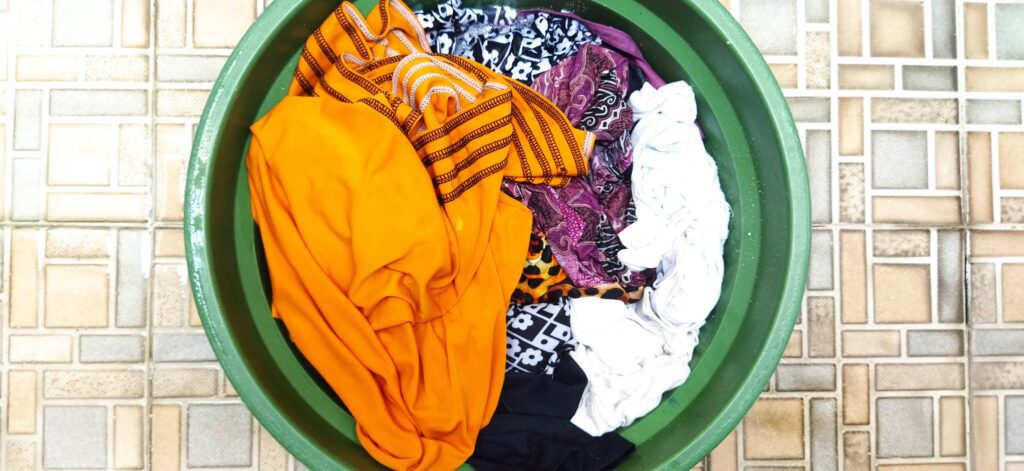
After the detergent and baking soda have had time to work, rinse the stained area thoroughly with hot water. You can then immerse the garment in a basin of hot water and let it soak for another hour. The hot water helps to further break down and loosen the remaining oil and grease.
4. Wash the Garment
Once rinsed and soaked, wash the item in your washing machine using warm water and your regular laundry detergent. Consult the garment’s care label for specific washing instructions. If the stain appears to be gone, proceed to drying.
If the stain is still visible, repeat the previous steps. It’s crucial not to machine dry the garment if any trace of the stain remains, as the heat can permanently set the oil into the fabric.
5. Air Dry the Clothes
After washing and confirming the stain is gone, air dry the garment. Hang lightweight items like shirts and dresses on hangers, or use clothespins to secure them. For heavier items such as jeans or sweaters, lay them flat on a clean drying rack or towel in a well-ventilated area.

When Color-Safe Bleach Isn’t the Best Option
While color-safe bleach is effective for brightening and removing certain types of stains, it’s generally not the most powerful solution for oil stains. Its primary function is to lift color-safe dyes and tackle general grime, but it lacks the specific agents needed to break down and dissolve heavy oils and grease effectively. For oil stains, rely on methods that specifically target grease, like dish soap and absorbent powders.
Tackling Set-In Oil Stains
Set-in oil stains can be more challenging, but they are often salvageable. Start by trying to re-liquefy the oil by treating the stain with hot water. Then, gently blot the area and apply baking soda to absorb as much of the loosened oil as possible. Follow up with dish detergent, working it into the fabric.
After these steps, wash the garment as usual. Crucially, air dry it. Avoid the dryer, as the residual heat can further set any remaining traces of the stain.
Common Mistakes to Avoid
Preventing these common errors can significantly improve your success rate when removing oil stains:
- Using Cold Water: Always opt for hot water when treating oil stains. Hot water helps to break down and liquefy the oil, making it easier to remove.
- Delaying Treatment: The longer an oil stain sits on fabric, the harder it is to remove. Address stains as quickly as possible for the best chance of complete removal.
- Rubbing Vigorously: Instead of scrubbing, which can spread the stain and damage fibers, use a gentle blotting motion.
Remember, the key to removing oil stains lies in prompt action, using the right cleaning agents to break down the grease, and avoiding heat until the stain is completely gone.
We hope this guide helps you conquer those stubborn grease stains! For more practical tips and guides on keeping your wardrobe looking its best, explore our main Blog category.