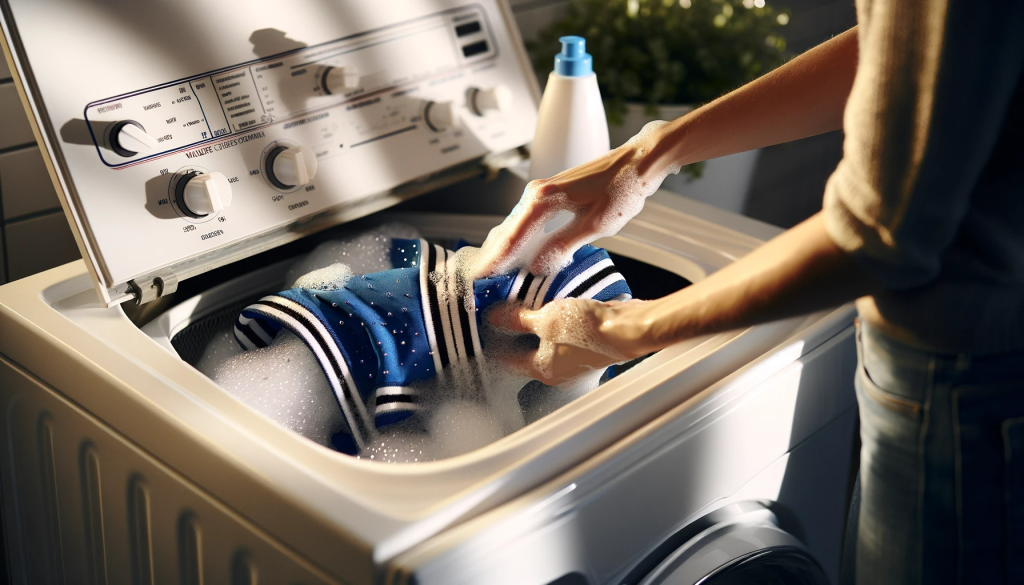

Ever wondered about the true time commitment of laundry? While a typical load might take around 50 minutes to an hour for washing and spinning, the entire process, from gathering and sorting to dealing with the machines, adds significant time. For those looking for essentials to streamline their routine or add a personal touch, explore options at inktasticmerch.com.
On Average, How Long Does It Take To Do Laundry?
The total time spent on laundry can vary significantly, but a typical load, encompassing the entire process from start to finish, generally takes between 50 minutes to an hour. This estimate includes the washing and spin cycles. However, the actual duration is influenced by several factors, including the type of fabrics being washed, the chosen washing machine settings, and the overall efficiency of the process.
Understanding that laundry involves more than just running the washing machine is key. Each step contributes to the overall time commitment.
Preparation Phase
The initial preparation for laundry can be a time-consuming step, especially for larger households. While a laundry chute can streamline the process, most individuals need to collect dirty clothes from various rooms. This collection alone can take upwards of 15 minutes. Beyond mere collection, this phase often involves essential tasks such as sorting clothes by color and fabric type, pre-treating stubborn stains, gathering necessary detergents and fabric softeners, checking pockets for any forgotten items that could damage the machine or clothing, and cleaning out the lint filter from the dryer to ensure optimal performance.
Washing and Drying Cycles
Washing machine cycle times are highly dependent on the machine’s settings. A standard cycle on a front-loading washing machine typically runs for 60 to 80 minutes. Overloading the machine or excessive suds can extend this duration. Top-loading machines often have similar cycle lengths, though they might require longer settings for heavily soiled items.
-
Quick Wash: This cycle is designed for lightly soiled items and can range from 15 minutes to a full hour, depending on the machine’s capabilities and the specific settings chosen.
-
Cotton Cycle: For garments made primarily of cotton, this cycle can be quite lengthy, spanning from 1.5 hours to as long as 4 hours, accommodating the fabric’s water absorption and cleaning needs.
-
Synthetic Cycle: Fabrics like polyester and nylon often require a cycle of 2.5 to 3 hours to ensure effective cleaning without damaging the material.
-
Delicates Cycle: Gentler on fabrics, this cycle typically lasts between 45 minutes and 1.5 hours, using lower agitation and water temperatures to protect sensitive materials.
-
Temperature Cycle: The duration of cycles involving specific temperature settings can vary significantly, directly correlating with the time it takes for your water heater to reach the desired temperature.
Following the wash cycle, the spin cycle is crucial for extracting excess water, usually taking around 3 minutes but potentially ranging from 2 to 12 minutes. If clothes remain excessively wet, an additional spin cycle may be necessary. The drying process typically takes about 45 minutes for a standard load. However, bulky items like towels or bedding may require longer drying times, sometimes exceeding two hours, to ensure they are completely dry. Conversely, delicate items might only need about 15 minutes in the dryer. For those seeking a more energy-efficient and fabric-friendly option, air-drying clothes by hanging them on a rack or line is a viable alternative, though it significantly extends the drying time to several hours, depending on environmental conditions.
Folding and Putting Away
The task of folding laundry generally takes around 20 minutes per load. This timeframe can fluctuate based on the number of items to be folded and an individual’s folding speed. Similarly, putting away the freshly folded clothes typically requires another 20 minutes, though this can range from 5 to 30 minutes depending on the organization of the storage space and the person performing the task.
<img class="filer_image
" alt="planetcare-23coWmkTNSg-unsplash.webp" loading="lazy" src="https://inktasticmerch.com/wp-content/uploads/2025/12/planetcare-23cowmktnsg-unsplash-webp680x453_q85_crop_subsampling-2_upscale.jpg” title=”planetcare-23cowmktnsg-unsplash-webp680x453_q85_crop_subsampling-2_upscale”>
Understanding Wash Cycle Durations
Washing machines offer a variety of cycles, each tailored to specific fabric types and levels of soiling, impacting the overall laundry time. Common cycles include normal, heavy-duty, delicates, bedding, and standard, with varying durations.
- Quick Wash: This expedited cycle, often labeled as “Speed Wash” or “Quick Wash,” is ideal for lightly soiled garments or when time is of the essence. It typically lasts between 15 and 30 minutes.
-
Standard or Normal: Suited for everyday laundry, this is the most frequently used cycle. Its duration can range from 40 to 90 minutes, influenced by the washing machine’s model and capacity.
-
Permanent Press: Designed to minimize wrinkles and preserve the color of dark fabrics, this cycle is comparable to a gentle at-home dry cleaning. It usually takes around 50 minutes.
-
Delicates: For fragile materials like silk and lace, this cycle provides a gentle wash, typically lasting about 35 minutes on most machines.
-
Heavy Duty: This robust cycle is intended for heavily soiled items such as work clothes or sportswear. It can run from 60 to 120 minutes, with an average duration of 90 minutes.
-
Rinse and Spin: If clothes need an extra rinse or more water extraction, this cycle takes approximately 25 minutes.
-
Bedding: Specifically designed for bulky items like comforters and blankets, this cycle can extend from 90 minutes to 3 hours to ensure thorough cleaning and drying.
-
Spin: For garments that are still damp after washing, a dedicated spin cycle can remove excess water in about 10 minutes.
Hand washing offers an alternative, with the time required varying based on individual technique and the garment’s condition. The process involves soaking, scrubbing, rinsing, and drying, and can take anywhere from 5 to 20 minutes per item.
<img class="filer_image
" alt="metal-1354687_1280.webp" loading="lazy" src="https://inktasticmerch.com/wp-content/uploads/2025/12/metal-1354687_1280-webp680x475_q85_crop_subsampling-2_upscale.jpg” title=”metal-1354687_1280-webp680x475_q85_crop_subsampling-2_upscale”>
Drying Process Timelines
The standard dryer cycle typically lasts around 45 minutes, but this can be adjusted based on the selected drying program. Different cycles cater to various fabric needs:
-
Quick Dry or Manual Dry: These settings are designed for speed, usually taking between 15 and 30 minutes. Manual dry allows you to set a specific drying time.
-
Standard Dry: As mentioned, this cycle generally takes 45 minutes to complete.
-
Permanent Press: This cycle, lasting from 45 minutes to an hour, is well-suited for synthetic fabrics, helping to maintain their shape and reduce wrinkling.
-
Delicates: For fragile items, the delicate drying cycle is brief, typically requiring only 15 to 20 minutes.
-
Heavy-Duty: This longer cycle, often lasting 90 minutes, is necessary for drying heavier items like jeans, towels, or jackets that require more time and heat to dry thoroughly.
-
Line Dry: Air-drying clothes on a line or rack is an energy-efficient method that can take several hours, with the exact duration dependent on ambient temperature, humidity, and air circulation.
<img class="filer_image
" alt="washer_cycles.webp" loading="lazy" src="https://inktasticmerch.com/wp-content/uploads/2025/12/washer_cycles-webp1124x749_q85_crop_subsampling-2_upscale.jpg” title=”washer_cycles-webp1124x749_q85_crop_subsampling-2_upscale”>
Optimizing Laundry Efficiency
To significantly reduce the time spent on laundry, consider implementing the following strategies:
-
Pre-sort Laundry: Prepare your laundry in advance by sorting it the night before. Designate a specific area for your laundry basket near the washing machine for easy access. Ensure all necessary supplies, such as detergent and fabric softener, are readily available. These preparatory steps are equally important if you are using a public laundromat.
-
Select the Appropriate Cycle: Avoid using the standard cycle for all loads. Choosing a cycle that matches the fabric type can save time and prevent damage. For instance, delicate items do not require the extended duration of a normal wash cycle.
-
Manage Load Size: Washing smaller loads more frequently is more time-efficient than allowing laundry to accumulate into a large, daunting pile. This approach also reduces strain on your appliances.
-
Multitask Effectively: Utilize the time your washing machine or dryer is running to accomplish other household tasks. This could include folding clothes from a previous load, tidying up the laundry area, or performing other chores, thereby maximizing your productivity.
An alternative to managing laundry yourself is to utilize a professional laundry service. Services like Rinse can save considerable time, freeing you to focus on other priorities. Outsourcing this chore also allows for relaxation, and professionals’ expertise ensures your clothes are cleaned effectively and returned in pristine condition.
<img class="filer_image
" alt="USE drop.webp" loading="lazy" src="https://inktasticmerch.com/wp-content/uploads/2025/12/use_drop-webp680x371_q85_crop_subsampling-2_upscale-1.jpg” title=”use_drop-webp680x371_q85_crop_subsampling-2_upscale-1″>
Have laundry or dry cleaning to do?
Rinse provides convenient pick-up and delivery services seven days a week, offering a remarkably simple and efficient solution for your laundry needs.
Try Rinse
Understanding the full timeline of laundry, from sorting to putting away, helps in managing household chores more effectively. For more helpful tips and insights on various domestic tasks, feel free to explore our Blog.