Choosing between hand washing and using a washing machine involves weighing various factors like convenience, fabric type, and stain severity. While machine washing offers speed and efficiency, hand washing provides meticulous control, making it ideal for preserving garment quality and targeting specific stains, a benefit we explore further at InktasticMerch.
Hand Washing vs. Machine Washing: Which Laundry Method Reigns Supreme?
Deciding between hand washing and using a washing machine involves weighing various factors, including convenience, fabric type, time commitment, stain severity, and overall cost. Both methods offer distinct advantages and disadvantages, making the optimal choice dependent on the specific laundry needs.
<img class="filer_image
" alt="unnamed file" loading="lazy" src="https://inktasticmerch.com/wp-content/uploads/2025/12/25a2b19d-152c-4099-940c-0f55030766e9-jpg779x1169_q85_crop_subsampling-2_upscale.jpg” title=”25a2b19d-152c-4099-940c-0f55030766e9-jpg779x1169_q85_crop_subsampling-2_upscale”>
Advantages of Hand Washing Clothes
Hand washing offers several benefits, particularly for preserving garment quality and reducing environmental impact.
Gentle Fabric Care and Damage Prevention
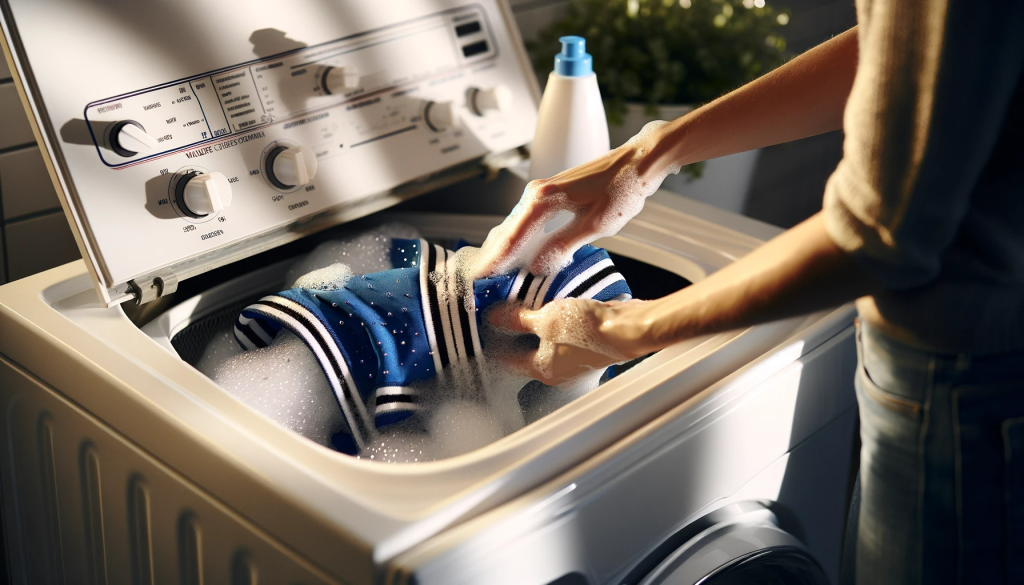
One of the primary advantages of hand washing is the meticulous control it provides over the agitation process. This is crucial for preventing damage to delicate fabrics that can easily fray, snag, or lose their shape in a washing machine. Items like fine lingerie, silk blouses, wool sweaters, and garments with intricate embellishments benefit significantly from the gentle handling possible with hand washing. By controlling the intensity and duration of washing, users can ensure that delicate materials are cleaned effectively without compromising their integrity. This method minimizes the risk of elastic degradation, hook entanglement, and color bleeding often associated with machine cycles.
Targeted Stain Treatment
Hand washing excels at precise stain removal. Instead of subjecting an entire garment to a wash cycle for a localized spill, hand washing allows for direct treatment of the affected area. This focused approach is more effective for tackling specific stains, such as wine, ink, or grease, without unnecessarily washing the entire garment. The ability to concentrate cleaning efforts on collars, cuffs, underarms, and other stain-prone areas ensures a more thorough and efficient cleaning process compared to the generalized action of a washing machine.
Energy and Resource Conservation
For smaller laundry loads, hand washing presents a significant opportunity for energy and water conservation. Washing machines, designed for larger capacities, can be inefficient when run for only a few items. Hand washing eliminates the electricity consumption associated with machine operation and can use a more controlled amount of water. This makes it a more economical and environmentally conscious choice for washing single outfits, children’s clothing, or a few delicate pieces.
Reduced Detergent Consumption
Hand washing provides greater control over the amount of detergent used. Washing machines often require a specific amount of detergent, which can lead to overuse, especially with smaller loads. By hand washing, individuals can dispense only the necessary amount of detergent, leading to cost savings and reducing the amount of chemical runoff into the environment. This precise control also minimizes the risk of detergent residue left on clothing, which can sometimes cause skin irritation or fabric damage.
Extended Lifespan for Delicates and Special Fabrics
Fabrics such as silk, wool, cashmere, and delicate lingerie are particularly vulnerable to the harsh action of washing machines. Hand washing allows for a gentle cleaning process, often involving soaking for a short period (around 15 minutes) in cold water with a mild detergent, followed by gentle agitation. This method preserves the texture, color, and structure of these valuable garments. Furthermore, the drying process can also be managed more carefully, typically involving gently wringing out excess water and air-drying on a rack, which is far less damaging than machine tumbling. For high-value or dry-clean-only items, professional services like eco-friendly dry cleaning, which avoid harsh solvents, offer an alternative for maintaining garment quality.
<img class="filer_image
" alt="unnamed file" loading="lazy" src="https://inktasticmerch.com/wp-content/uploads/2025/12/a1bfedd2-b671-46d6-8020-3888969bffdf-jpg750x1333_q85_crop_subsampling-2_upscale.jpg” title=”a1bfedd2-b671-46d6-8020-3888969bffdf-jpg750x1333_q85_crop_subsampling-2_upscale”>
Advantages of Machine Washing Clothes
Despite the benefits of hand washing, machine washing offers significant advantages in terms of efficiency and convenience for everyday laundry needs.
Significant Time Savings
The most compelling benefit of machine washing is the considerable time saved. While hand washing a load of laundry can take hours, a washing machine can complete the task in a fraction of the time, allowing individuals to focus on other activities. This efficiency is invaluable for busy individuals and families with high laundry volumes.
Enhanced Capacity for Larger Loads
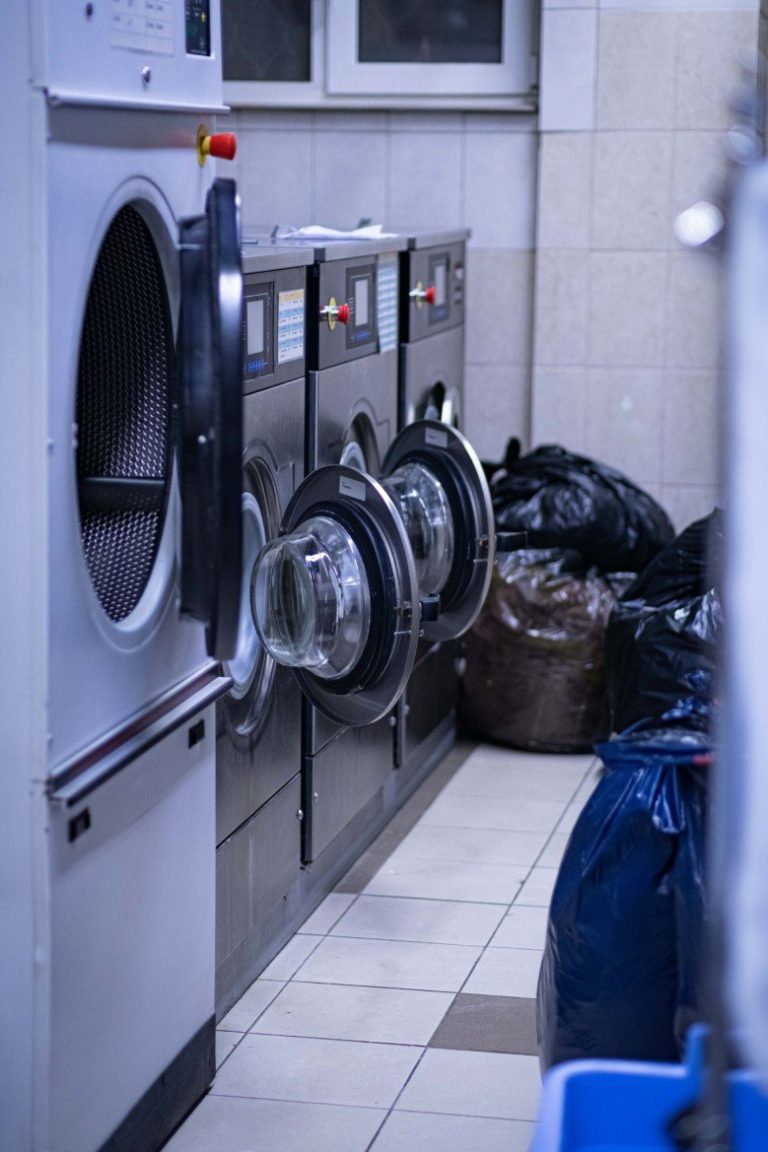
Washing machines are designed to handle substantial quantities of laundry, making them ideal for washing bulky items such as bedding, towels, and large family loads. Hand washing these items would be impractical and extremely time-consuming. The larger capacity of machines ensures that all household laundry needs can be met efficiently in fewer cycles.
Deeper and More Thorough Cleaning
For everyday dirt and grime, washing machines generally provide a more powerful and thorough clean than hand washing. The mechanical action, combined with specialized detergents and various cycle options (including hot water settings), is effective at removing deep-seated dirt and tough stains. The rigorous agitation and multiple rinse cycles ensure that clothes are comprehensively cleaned and any detergent residue is effectively removed. The option to use fabric softeners further enhances the feel and freshness of laundered items.
Unparalleled Convenience and Ease of Use
The convenience of machine washing is undeniable. Users can simply load the machine, select a cycle, and let it run. This frees up time for other tasks or relaxation. Unlike hand washing, which requires constant attention and physical effort, a washing machine operates autonomously. Modern machines offer advanced features like programmable timers, delayed start options, and customizable settings for water temperature, spin speed, and fabric type, further simplifying the laundry process and catering to specific garment care requirements. Moreover, machine washing eliminates the physical strain associated with hand scrubbing and wringing, making it an accessible option for individuals with physical limitations or the elderly.
Accelerated Drying Processes
Washing machines significantly reduce drying times through their high-speed spin cycles, which extract a much greater amount of water from fabrics compared to manual wringing. This results in clothes that are only damp, allowing them to air dry much faster. For added efficiency, many washing machines come equipped with integrated drying functions, allowing users to wash and dry clothes in a single cycle. This eliminates the need for outdoor clotheslines or separate drying racks and saves considerable time and effort, especially in humid or cold climates.
<img class="filer_image
" alt="unnamed file" loading="lazy" src="https://inktasticmerch.com/wp-content/uploads/2025/12/e07cee5f-eef4-40d0-98c8-f7d882747e8e-jpg571x571_q85_crop_subsampling-2_upscale.jpg” title=”e07cee5f-eef4-40d0-98c8-f7d882747e8e-jpg571x571_q85_crop_subsampling-2_upscale”>
Frequently Asked Questions About Laundry Methods
Environmental Impact Comparison
Hand washing is generally considered more environmentally friendly due to its lower consumption of electricity and water compared to washing machines.
Garments Requiring Hand Washing
Delicate fabrics such as silk, wool, cashmere, and items with intricate beadwork or embellishments should ideally be hand-washed to prevent damage.
Potential for Machine Washing Damage
Washing machines can damage clothes if the wrong settings are used for the fabric type, or if care label instructions are not followed. Factors like incorrect water temperature or harsh detergents can also contribute to shrinkage, fading, or fraying.
Practicality Considerations
For individuals or families with significant laundry volumes, a washing machine is generally more practical due to its time-saving and capacity benefits. However, for those with minimal laundry or living alone, hand washing can be a cost-effective and resource-efficient alternative.
Items Not Suitable for Hand Washing
Heavy and bulky items like blankets, comforters, and large towels are best washed in a machine. Outerwear such as coats, jackets, and suits often require professional dry cleaning for optimal care and preservation.
<img class="filer_image
" alt="unnamed file" loading="lazy" src="https://inktasticmerch.com/wp-content/uploads/2025/12/f0e4638a-650e-4757-8bcf-5b145fdaed97-jpg1200x800_q85_crop_subsampling-2_upscale.jpg” title=”f0e4638a-650e-4757-8bcf-5b145fdaed97-jpg1200x800_q85_crop_subsampling-2_upscale”>
Whether you prefer the delicate touch of hand washing or the efficiency of a machine, understanding the best approach for your garments is key to keeping them looking their best. Continue exploring our Blog for more in-depth laundry tips and garment care advice.