

Navigating the choice between a gas or electric dryer involves weighing various factors like drying speed, installation, and long-term costs. Whether you’re prioritizing a faster laundry day or a lower initial investment, understanding these differences is key to making the right decision for your home. For stylish apparel and accessories to complement your laundry routine, explore InktasticMerch.
Choosing the right dryer is a significant decision for any household, impacting everything from laundry day efficiency to energy bills. The primary choice often boils down to two main types: gas and electric. While both serve the fundamental purpose of drying clothes, they differ in key aspects like drying speed, installation requirements, operational costs, and even their impact on fabric longevity. Understanding these distinctions is crucial for making an informed choice that best suits your home and lifestyle.
This guide will delve into the core differences between gas and electric dryers. We’ll explore factors such as drying performance, initial investment, maintenance needs, and energy consumption to help you determine which dryer type is the ideal fit for your laundry routine and household.
Gas vs. Electric Dryers: A Comparative Overview
| Gas Dryers | Electric Dryers | |
| Drying Times | Typically faster due to higher heat output | May require more time to dry due to a slower heating process |
| Upfront Cost | Generally higher, often due to the need for gas line installation | Generally lower, making them more accessible initially |
| Availability | Less common in some regions, requiring specific hookups | Widely available and standard in most homes |
| Model Variety | Fewer options in terms of features and designs | A broader range of models, features, and technological advancements |
| Safety Concerns | Potential for gas leaks if not properly installed or maintained | No risk of gas leaks; electrical safety is the primary concern |
| Repairs and Maintenance | May require specialized technicians for gas-related issues | Often simpler maintenance, with some DIY possibilities for common issues |
Prioritizing Fabric Care: Which Dryer is Gentler on Clothes?
Both gas and electric dryers are designed to be safe for everyday fabrics when used correctly. However, gas dryers often offer advantages that can contribute to better fabric care and longevity.
One significant benefit of gas dryers is their superior drying speed. The higher heat output characteristic of gas models means clothes spend less time tumbling in the heat. This reduced exposure minimizes the risk of over-drying, a common culprit behind fabric damage, shrinkage, and premature wear.
The efficiency of gas dryers also plays a role in fabric safety. They heat up more rapidly and reach higher temperatures than most electric dryers. This effectiveness ensures clothes are dried thoroughly in a shorter period, further limiting potential heat-related damage.
Many gas dryers are equipped with advanced safety and fabric care features. Innovations like pilotless ignition systems, automatic shutoff mechanisms, and electronic sensor drying are designed to prevent over-drying and overheating. Sensor drying, in particular, intelligently monitors moisture levels, stopping the cycle once clothes reach the desired dryness, thus protecting them from excessive heat exposure.
Furthermore, the inclusion of automatic cool-down cycles in some gas dryers is a boon for delicate items and wrinkle-prone fabrics. This feature allows clothes to tumble with unheated air, helping to reduce wrinkles and preserve the integrity of heat-sensitive materials.
Electric dryers, while capable of drying clothes effectively, may take longer to reach optimal drying temperatures. This extended cycle time can increase the duration of heat exposure for garments. However, by carefully selecting appropriate drying settings and avoiding overfilling the drum, electric dryers can also be used safely and effectively to maintain clothing quality.
Exploring Features and Essential Considerations

Selecting the right dryer involves more than just deciding between gas and electric. It’s important to consider various features that enhance convenience, efficiency, and fabric care. Look for dryers equipped with moisture sensors that automatically adjust drying times, multiple heat settings suitable for different fabric types, and specialized cycles for specific garments. The size and capacity of the dryer should also be a primary consideration to ensure it can handle your typical laundry loads effectively.
Key Features to Look For
Gas Dryers
Gas dryers utilize either natural gas or liquid propane (LP) as their energy source, offering flexibility depending on your home’s utility access. Because they produce combustion byproducts, proper ventilation to the outdoors is essential for safety and performance. Gas dryers are generally praised for their ability to heat up quickly and dry clothes faster than electric models, which translates to less wear and tear on fabrics due to reduced drying times.
When evaluating gas dryers, prioritize models with electronic sensor drying. This technology uses built-in sensors to detect moisture levels and automatically stops the cycle once clothes are dry, preventing over-drying. Many models also include an automatic cool-down cycle, which continues tumbling without heat to minimize wrinkles, especially for heat-sensitive items.
Electric Dryers
Electric dryers typically operate on a 240-volt electrical circuit. However, smaller or portable units might use a standard 110-volt outlet, offering more versatility for different living spaces.
Energy efficiency is a key consideration for electric dryers. Seek out models with energy-saving features like timed drying options or auto-sensor programs. These features help optimize energy consumption by allowing precise control over drying duration or by automatically determining the ideal cycle length based on fabric moisture levels.
One of the main advantages of electric dryers is their straightforward installation in most homes. Unlike gas dryers that necessitate a gas line connection, electric dryers simply require a compatible electrical outlet, making them an accessible choice for households without existing gas hookups.
Furthermore, ventless electric dryers are available, providing greater flexibility in placement. These models do not require external venting, allowing them to be installed in various locations, including closets or areas where traditional venting isn’t feasible.
Dryer Installation Specifics
Gas Dryers
Installing a gas dryer requires careful attention to safety and specific hookups. A dedicated gas line is necessary; if your home doesn’t have one, the cost of installation can be significant. It is crucial to hire a qualified technician or plumber experienced with gas appliances to ensure a safe and compliant installation.
Proper venting is another critical safety requirement for gas dryers. They expel combustion byproducts, such as carbon dioxide, which must be directed safely outdoors. Adequate venting protects your indoor air quality and maintains a healthy living environment.
For homes without access to natural gas, liquid propane (LP) is an alternative fuel source. This requires the installation of an LP storage tank and specialized connection procedures. Always consult with professionals and adhere to local building codes for safe LP gas dryer installation and operation.
Electric Dryers
Most electric dryers require a dedicated 240-volt outlet. While many modern laundry rooms are equipped with this, older homes might need electrical upgrades to support the higher voltage. Compact or portable models may operate on a standard 110-volt outlet.
Electric dryers typically use a three or four-prong plug, depending on the home’s wiring. If your existing outlet doesn’t match the dryer’s plug configuration, an electrician may be needed to modify the outlet or install a new one.
Similar to gas dryers, electric dryers need to vent moist, heated air outdoors to prevent moisture buildup in the laundry area and ensure proper airflow. Use appropriate ductwork and follow local building codes for correct venting specifications.
Understanding Energy Use
Gas Dryers
Gas dryers often have an edge in terms of operational cost and energy efficiency. Their heating mechanism relies on combustion, which generally leads to faster drying cycles and lower energy consumption per load compared to electric counterparts. The potent heat output from gas dryers means less time is needed to dry clothes, saving both energy and time.
When shopping for a gas dryer, look for Energy Star certified models, which signify higher energy efficiency and potential cost savings on utility bills. Some advanced gas dryers even incorporate ventless heat pump technology, further boosting their energy efficiency.
Electric Dryers
The operating costs for electric dryers can be higher than gas dryers, primarily due to the generally higher price of electricity compared to natural gas or propane in many regions. The process of heating electric elements can also be slower, potentially leading to longer drying cycles and increased energy consumption.
To mitigate energy usage with electric dryers, opt for models featuring energy-saving functions like moisture sensors, which automatically adjust cycle times, or utilize timed drying settings judiciously. These features help optimize performance and reduce unnecessary energy expenditure.
Durability and Longevity
Both gas and electric dryers are built to last, with similar average lifespans when properly maintained. Gas dryers are often lauded for their robust construction and reliability, frequently serving households for many years. Their simpler mechanical design, with potentially fewer complex electronic components than some electric models, can sometimes make them more straightforward to repair.
Electric dryers, while potentially having more intricate electrical components like heating elements and complex circuitry, are also known for their durability. With regular maintenance, they can offer consistent and reliable performance over an extended period.
Maintenance and Repair Insights
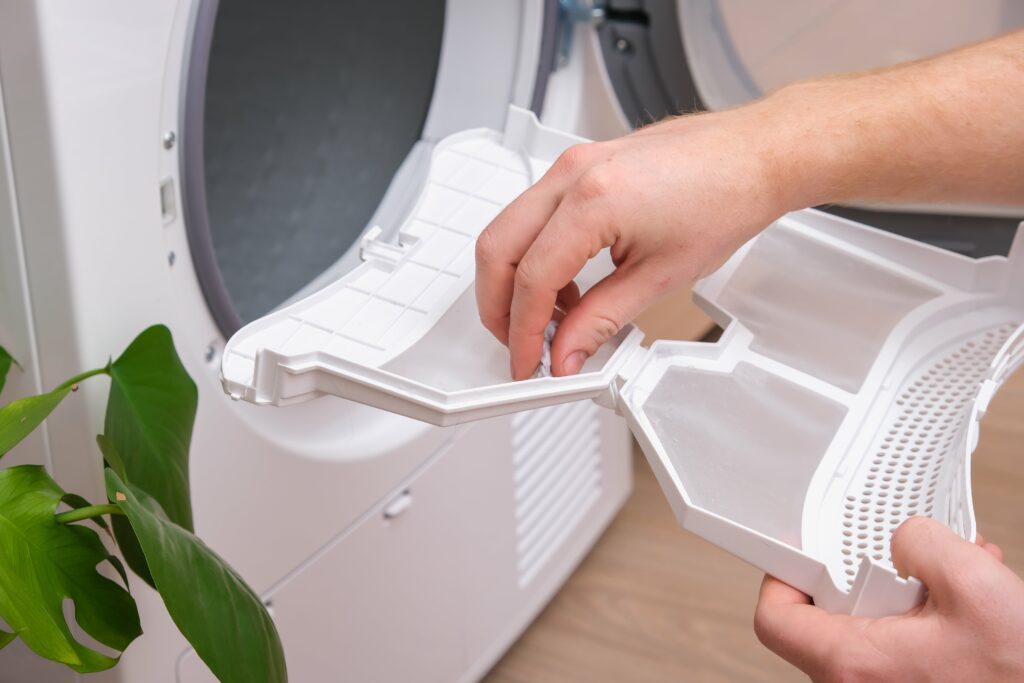
Consistent maintenance is key to maximizing the lifespan and performance of any dryer, regardless of its power source. Regularly cleaning the lint trap after each use and ensuring the dryer vent is clear of obstructions are fundamental steps that significantly impact efficiency and safety.
For gas dryers, any repairs involving the gas components should be handled by a qualified professional due to the inherent risks associated with gas leaks. This ensures that all work is performed safely and correctly.
Minor repairs on electric dryers may be manageable for individuals with basic DIY skills or technical knowledge. However, for any electrical issues or complex problems, consulting a professional appliance repair technician is always recommended.
Additional Tips for Optimal Dryer Use
Beyond the fundamental choice between gas and electric, several practices can help you get the most out of your dryer, ensuring efficiency and preserving your clothing.
Utilize Appropriate Drying Settings
Always refer to garment care labels and select the recommended drying settings. Using the correct heat level and cycle type is crucial for maintaining fabric quality and extending the life of your clothes. Delicate items typically require lower heat settings, while heavier fabrics may withstand higher temperatures. Employing specific cycles, such as timed drying or specialized settings for bedding or synthetics, can prevent over-drying and address issues like static cling effectively.
Avoid Overloading the Dryer
Overfilling the dryer drum is a common mistake that hinders performance. Insufficient space prevents proper air circulation, leading to longer drying times and uneven drying. Furthermore, excessive loads can cause undue stress on both the fabrics and the dryer’s internal components, potentially leading to premature wear and tear. Adhering to the manufacturer’s recommended load capacity ensures optimal drying efficiency and helps protect your garments.
Consider Dryer Noise Levels
For those sensitive to noise, seeking out dryers with noise-reduction features is advisable. Many modern appliances incorporate sound-dampening technologies or enhanced insulation to operate more quietly. Strategically placing the dryer in a well-insulated laundry room or utilizing sound-absorbing materials in the vicinity can also help minimize operational noise and reduce disruption in your living space.
The decision between a gas and an electric dryer hinges on individual household needs, existing utility infrastructure, and budget considerations. Gas dryers often provide faster drying and potentially lower running costs, while electric dryers are typically easier to install and offer a wider selection of models and features. Carefully weighing factors like drying performance, energy efficiency, initial costs, and safety is essential before making a purchase. Regardless of your choice, consistent maintenance and adherence to manufacturer guidelines are paramount for ensuring optimal performance and garment care.
Share on Social
We hope this comprehensive comparison helps you make the best choice for your laundry needs; explore more helpful articles and guides in our Blog to enhance your home management skills.