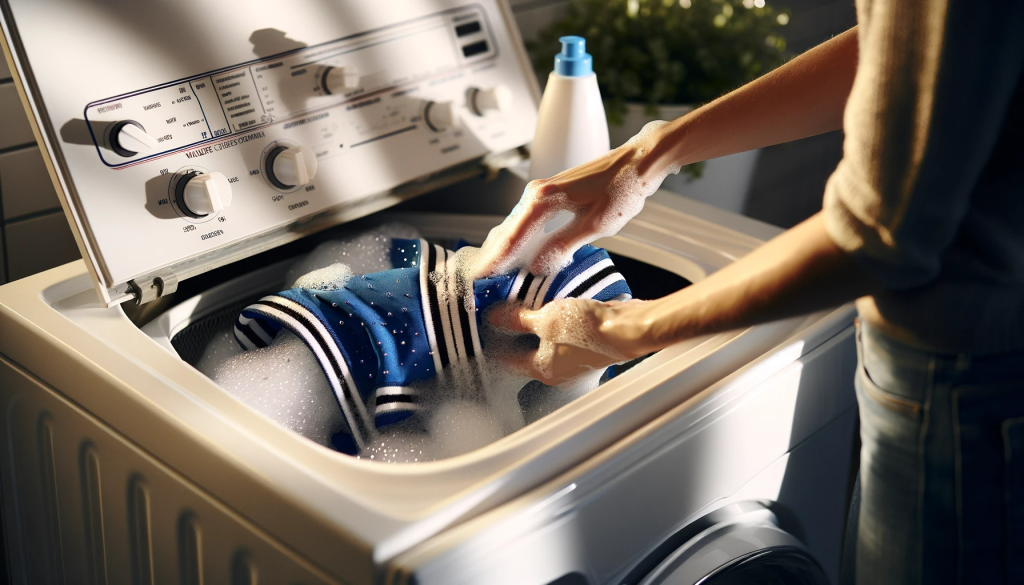
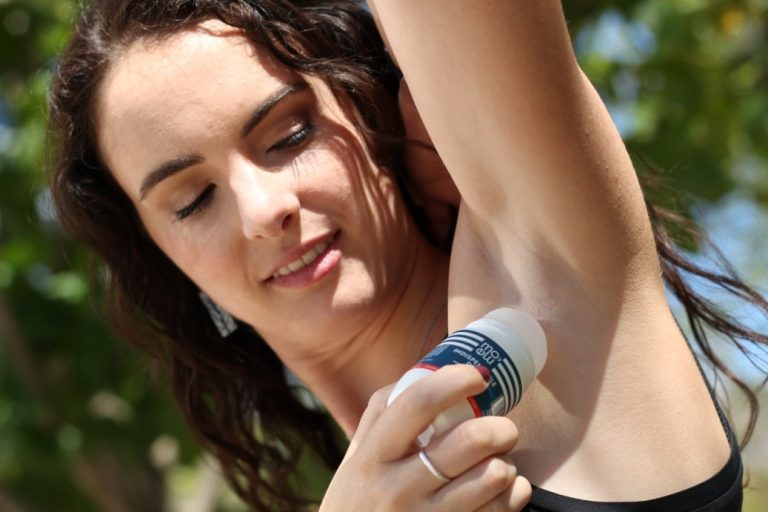
Armpit stains are a common laundry woe, often caused by a complex interaction between sweat, antiperspirant ingredients, and fabric types. Fortunately, tackling these stubborn marks doesn’t always require harsh chemicals, and effective solutions can be found with everyday household items. For more insights and a complete guide to keeping your clothes fresh, visit inktasticmerch.com.
What Causes Sweat Stains?
The primary cause of underarm stains is, as the name suggests, sweat. However, it’s a combination of factors that leads to those unsightly yellow or white marks on your clothing. Your body’s sweat contains salts, minerals, and urea. As this moisture evaporates from your clothing, these components are left behind, creating a residue that can discolor fabric over time. This process is exacerbated by the ingredients found in many antiperspirants and deodorants. Specifically, aluminum compounds like aluminum chloride, commonly used to block sweat ducts, can react with the proteins and salts in your sweat. This chemical reaction is a major contributor to the yellowing or stiffening of fabric in the underarm area.
Furthermore, the natural oils produced by your skin and the bacteria present on your body also play a role. These elements can break down the compounds in sweat and antiperspirants, leading to the formation of different chemical byproducts that can cause discoloration. The type of fabric also influences how susceptible it is to staining. Natural fibers like cotton are generally more breathable and less prone to absorbing and holding onto these residues compared to synthetic materials or delicate fabrics like silk, which can be more porous and retain stains more readily.
<img class="filer_image
" alt="unnamed file" loading="lazy" src="https://inktasticmerch.com/wp-content/uploads/2025/12/3f152735-76ec-4a71-bc81-2fd3807e1ff8-jpg896x1344_q85_crop_subsampling-2_upscale.jpg” title=”3f152735-76ec-4a71-bc81-2fd3807e1ff8-jpg896x1344_q85_crop_subsampling-2_upscale”>
5 Methods to Remove Armpit Stains
Dealing with stubborn armpit stains requires more than just a standard wash. Fortunately, many effective stain removal methods utilize common household items. These techniques are designed to break down the specific components of sweat and deodorant residue without damaging your clothes.
Method 1: Using Baking Soda
Baking soda is a versatile household staple known for its cleaning and deodorizing properties. Its mild abrasive texture and alkaline nature make it effective at lifting stains and neutralizing odors. This method is particularly good for tackling fresh stains and general dinginess.
Step 1: Make a Paste
In a small bowl, combine one part baking soda with one part hydrogen peroxide and one part water. For a single shirt, approximately a quarter cup of each ingredient should be sufficient. Adjust the quantities proportionally if you are treating multiple garments or larger stains.
Step 2: Apply the Paste and Let It Sit
Using an old toothbrush or a soft-bristled brush, gently work the paste into the stained underarm area. Ensure the stain is fully covered. Allow the paste to penetrate the fabric for at least 30 minutes. For tougher stains, you might extend this time.
Step 3: Rinse
After the paste has had time to work, rinse the treated area thoroughly with warm water. If the stain appears to be persistent, you can repeat this paste application and rinsing process one more time.
Step 4: Wash in Warm Water
Launder the garment as usual, using your regular detergent and warm water. The combination of the pre-treatment and the washing cycle should help lift the remaining residue.
<img class="filer_image
" alt="unnamed file" loading="lazy" src="https://inktasticmerch.com/wp-content/uploads/2025/12/cdc490b4-3336-4c34-9e60-93bcebe55dbf-jpg565x780_q85_crop_subsampling-2_upscale.jpg” title=”cdc490b4-3336-4c34-9e60-93bcebe55dbf-jpg565x780_q85_crop_subsampling-2_upscale”>
Method 2: Using White Vinegar and Baking Soda
White vinegar, with its acetic acid content, is excellent for breaking down the mineral deposits and yellowing caused by sweat and antiperspirants, especially on older or more set-in stains. Combining it with baking soda offers a dual-action approach to lift and neutralize the discoloration.
Step 1: Soak Your Garment
Begin by diluting white vinegar with water. Mix two cups of water with one cup of white vinegar in a basin or sink. Submerge the stained portion of the garment in this solution and let it soak for about 30 minutes. This allows the acidic properties of the vinegar to start breaking down the stain.
Step 2: Wring
Carefully remove the garment from the vinegar solution and gently wring out the excess liquid. You want the fabric to be damp but not dripping.
Step 3: Make a Paste
In a separate bowl, prepare a paste by mixing half a cup of baking soda, one tablespoon of hydrogen peroxide, and one tablespoon of salt. Stir these ingredients together until they form a consistent, smooth paste.
Step 4: Apply and Let It Sit
Apply this baking soda paste directly onto the underarm stain. You can use your fingers or a toothbrush to ensure it is worked into the fabric fibers. Allow this paste to sit on the stain for another 30 minutes, giving the baking soda time to absorb and lift the discoloration.
Step 5: Wash in Hot Water (with caution)
Wash the garment in the hottest water temperature safe for the fabric, using your regular laundry detergent. After washing, it is crucial to air-dry the garment. Avoid using a machine dryer, as the heat can permanently set any remaining stain, making it much harder, if not impossible, to remove later.
<img class="filer_image
" alt="unnamed file" loading="lazy" src="https://inktasticmerch.com/wp-content/uploads/2025/12/93d3e611-9d74-4b50-8a65-848038a1d2f1-jpg1135x757_q85_crop_subsampling-2_upscale.jpg” title=”93d3e611-9d74-4b50-8a65-848038a1d2f1-jpg1135x757_q85_crop_subsampling-2_upscale”>
Method 3: Using Oxiclean
Oxygen-based cleaners, such as OxiClean, are effective alternatives to chlorine bleach for tackling tough stains. They work by releasing oxygen molecules that break down stain-causing compounds without the harshness of chlorine, making them safer for most fabrics and colors.
Step 1: Make a Soak
Prepare a soaking solution by dissolving one scoop of OxiClean in two tablespoons of household ammonia. It’s important to use ammonia and not chlorine bleach, as mixing ammonia with bleach can create dangerous fumes. Ensure good ventilation when working with ammonia.
Step 2: Rub
Apply the OxiClean and ammonia mixture to the affected underarm area. Using a soft-bristled brush or an old toothbrush, gently rub the stained area for at least 60 seconds. This helps the solution penetrate the fibers. Allow the solution to sit on the stain for an additional 10 minutes.
Step 3: Rinse and Wash
Thoroughly rinse the garment with water. Then, wash it as usual, using either cold or hot water depending on the fabric care instructions. Before drying, inspect the stained area carefully. If any traces of the stain remain, repeat the OxiClean treatment process until the stain is completely gone.
<img class="filer_image
" alt="unnamed file" loading="lazy" src="https://inktasticmerch.com/wp-content/uploads/2025/12/09aa7c82-bc3b-495c-9006-97e9e2abb297-png600x600_crop_subsampling-2_upscale.png” title=”09aa7c82-bc3b-495c-9006-97e9e2abb297-png600x600_crop_subsampling-2_upscale”>
Method 4: Using Lemon Juice
Lemon juice is a natural bleaching agent due to its citric acid content. It can help to break down stains and brighten fabrics, while its natural scent leaves clothes smelling fresh. This method is best suited for lighter fabrics and stains.
Step 1: Make a Solution
Create a paste by mixing equal parts of fresh lemon juice, water, and baking soda. This combination utilizes the acidic properties of lemon juice and the lifting power of baking soda.
Step 2: Apply the Paste
Gently rub the lemon juice and baking soda paste into the underarm stain. Allow it to sit for approximately 30 minutes. For added stain-fighting power, you can place the garment in direct sunlight after applying the paste, as sunlight can enhance the bleaching effect of the lemon juice.
Step 3: Wash as Usual
After the paste has set, wash the garment according to its care label instructions. Air-dry the clothing to prevent any potential heat-setting of residual stains.
<img class="filer_image
" alt="unnamed file" loading="lazy" src="https://inktasticmerch.com/wp-content/uploads/2025/12/696938b9-34b8-42ee-8500-d22ef453f1eb-jpg1092x728_q85_crop_subsampling-2_upscale.jpg” title=”696938b9-34b8-42ee-8500-d22ef453f1eb-jpg1092x728_q85_crop_subsampling-2_upscale”>
Method 5: Using Meat Tenderizer
This may seem unconventional, but meat tenderizer can be surprisingly effective for protein-based stains, which include components of sweat. The enzymes in meat tenderizer are designed to break down proteins, making them easier to remove from fabric.
Step 1: Dampen the Stain
Begin by moistening the stained area of the garment with cold water. This helps to create a surface for the tenderizer to adhere to and begin its work.
Step 2: Apply the Meat Tenderizer
Sprinkle a generous amount of unseasoned meat tenderizer directly onto the damp stain, ensuring it is fully covered. Gently press the tenderizer into the fabric.
Step 3: Let it Sit and Wash
Allow the meat tenderizer to sit on the stain for at least 30 minutes. The enzymes need time to break down the protein components of the stain. After the waiting period, wash the garment as you normally would. This method should be considered a last resort, and it’s advisable to try gentler methods like lemon juice or baking soda first.
<img class="filer_image
" alt="unnamed file" loading="lazy" src="https://inktasticmerch.com/wp-content/uploads/2025/12/88ee98c9-0e7e-4352-af1a-59287d68e20b-png800x800_crop_subsampling-2_upscale.png” title=”88ee98c9-0e7e-4352-af1a-59287d68e20b-png800x800_crop_subsampling-2_upscale”>
How to Prevent Armpit Stains: 5 Tips
While effective stain removal techniques are valuable, preventing armpit stains from forming in the first place is the most efficient approach to maintaining your wardrobe. By making small adjustments to your daily routine and product choices, you can significantly reduce the occurrence of these persistent marks.
-
Use aluminum-free deodorants. A primary contributor to underarm staining is the reaction between aluminum compounds in antiperspirants and sweat. Switching to a deodorant that does not contain aluminum can greatly minimize the likelihood of these stains forming. Aluminum-free options focus on odor control rather than blocking sweat glands.
-
Wear breathable fabrics. Sweat stains are often more noticeable during warmer months or in situations involving physical activity. Opting for clothing made from natural, breathable materials like cotton, linen, or bamboo allows for better air circulation. This helps to reduce the amount of sweat that gets trapped against your skin and clothing, thereby decreasing stain formation.
-
Allow deodorant to dry completely. When using solid stick deodorants or antiperspirants, give the product ample time to dry on your skin before dressing. This prevents the waxy or creamy residue from transferring directly onto your clothing fibers, which is a common cause of stains.
-
Wear an undershirt. For individuals prone to excessive sweating or those wearing light-colored outer garments, an undershirt can act as a protective barrier. It absorbs excess sweat and deodorant residue, preventing it from reaching and staining your main clothing item.
-
Avoid machine drying stained clothes. This is a critical step in stain prevention. The high heat generated by a clothes dryer can permanently bond stain particles to fabric fibers. Always check for stains before drying. If a stain is still visible, repeat the stain removal process or try an alternative method. Air-drying is the safest option for potentially stained items.
<img class="filer_image
" alt="unnamed file" loading="lazy" src="https://inktasticmerch.com/wp-content/uploads/2025/12/b30ecc85-e484-4e8c-98b1-e61d97145ff5-jpg1200x800_q85_crop_subsampling-2_upscale.jpg” title=”b30ecc85-e484-4e8c-98b1-e61d97145ff5-jpg1200x800_q85_crop_subsampling-2_upscale”>
Experience Impeccable Stain Removal
Effectively removing sweat stains can sometimes be a time-consuming process, potentially adding an extra hour to your laundry routine. For those with busy schedules, this can be a significant inconvenience. However, professional laundry services offer a convenient and effective solution.
At Rinse, our cleaning professionals possess the expertise to identify the specific type of stain and fabric, ensuring the correct stain remover and technique are applied for optimal results. We utilize advanced cleaning technologies and high-quality products to restore your garments, leaving them looking fresh and free from sweat stains without compromising fabric integrity.
To make the process effortless, you don’t need to deliver your stained clothing personally. Simply schedule a pickup through our app or send us a text, and we will handle the rest, collecting your laundry and returning it fresh and clean. We also provide specialized dry cleaning services for delicate items that require careful handling, ensuring your most valued garments are treated with the utmost care.
Entrust your laundry and stain removal needs to Rinse, allowing you to reclaim your time and focus on more important aspects of your life. Contact Rinse today to experience our professional stain removal services firsthand.
Image Source: Church & Dwight Co., Inc., McCormick & Company, Inc.
We hope this guide has equipped you with the knowledge to conquer those stubborn armpit stains and keep your favorite clothes looking their best. For more helpful tips and articles on garment care and maintenance, be sure to explore our Blog.