Discover how to achieve naturally soft clothes with simple, eco-friendly homemade fabric softener recipes. These methods use common household ingredients to gently soften fabrics, reduce static, and leave your laundry feeling fresh, all while aligning with sustainable practices and embracing healthier laundry choices. For a touch of personalization or unique apparel that complements your eco-conscious lifestyle, explore the custom options at inktasticmerch.com.
6 Easy Ways to Make Fabric Softener at Home
Discovering effective, natural alternatives to conventional fabric softeners can significantly benefit your laundry routine, offering a gentler touch for fabrics and a more environmentally conscious approach. The following methods utilize common household ingredients to achieve softness, reduce static, and leave clothes feeling fresh, all while minimizing exposure to synthetic chemicals and reducing waste.
1. White Vinegar: The Natural Deodorizer and Softener
White vinegar is a remarkably versatile ingredient that extends its utility beyond the kitchen and into your laundry room. Its acidic nature makes it an excellent natural fabric softener, effectively breaking down detergent residue that can make clothes feel stiff and scratchy. Furthermore, vinegar is a potent deodorizer, capable of neutralizing lingering odors from sweat, mildew, or other sources. It also plays a crucial role in preventing static cling, particularly beneficial for synthetic fabrics. By using vinegar, you can achieve a noticeable improvement in fabric feel and freshness without the use of chemical softening agents found in commercial products.
Equipment / Tools Needed:
- Measuring cup
- Liquid dispenser or fabric softener compartment in the washing machine
Instructions:
a. Measure: Accurately measure one cup of plain white vinegar. Avoid using flavored or colored vinegars, as they may stain fabrics.
b. Dilute: For a milder solution, mix the measured vinegar with two cups of water. This dilution helps to temper the acidity while still allowing its softening properties to work effectively.
c. Mix: Thoroughly combine the vinegar and water. A simple stir is usually sufficient.
d. Transfer: Pour the diluted vinegar solution into the designated fabric softener compartment of your washing machine. If your machine lacks a specific compartment, you can add it during the final rinse cycle.
e. Application: The vinegar will be released during the rinse cycle, working its magic to soften fibers and rinse away detergent buildup. The characteristic vinegar smell dissipates completely as the clothes dry, leaving behind only freshness.

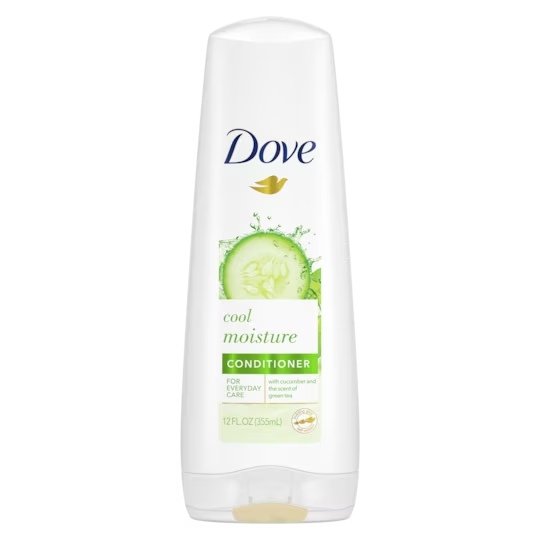
2. Hair Conditioner: An Unexpected Softening Agent
While its primary purpose is for hair, many hair conditioners contain ingredients that are excellent for softening fabrics. The emollients and conditioning agents that make hair smooth and manageable can impart a similar luxurious feel to your clothes. This method is particularly good for adding a pleasant fragrance to your laundry, as you can select a conditioner with a scent you love.
Equipment / Tools Needed:
- Measuring cup
- A sealable jar or container
Instructions:
a. Measure Conditioner: Measure one cup of your favorite hair conditioner. Choose one that is not overly thick, as it needs to be dilutable.
b. Dilution: Combine the cup of conditioner with three cups of warm water. Warm water helps to emulsify the conditioner and water more effectively.
c. Mix: Stir the mixture vigorously until the conditioner is fully dissolved and the solution is smooth and uniform. You want to avoid clumps of undiluted conditioner.
d. Storage: Transfer the homemade softener into a clean, sealable jar or container. Shake well before each use, as the mixture may separate over time.
e. Usage: Add approximately 1/4 to 1/2 cup of this mixture to your washing machine’s fabric softener dispenser during the rinse cycle. Adjust the amount based on your preference and the load size. Your clothes will emerge noticeably softer and imbued with a delightful scent.
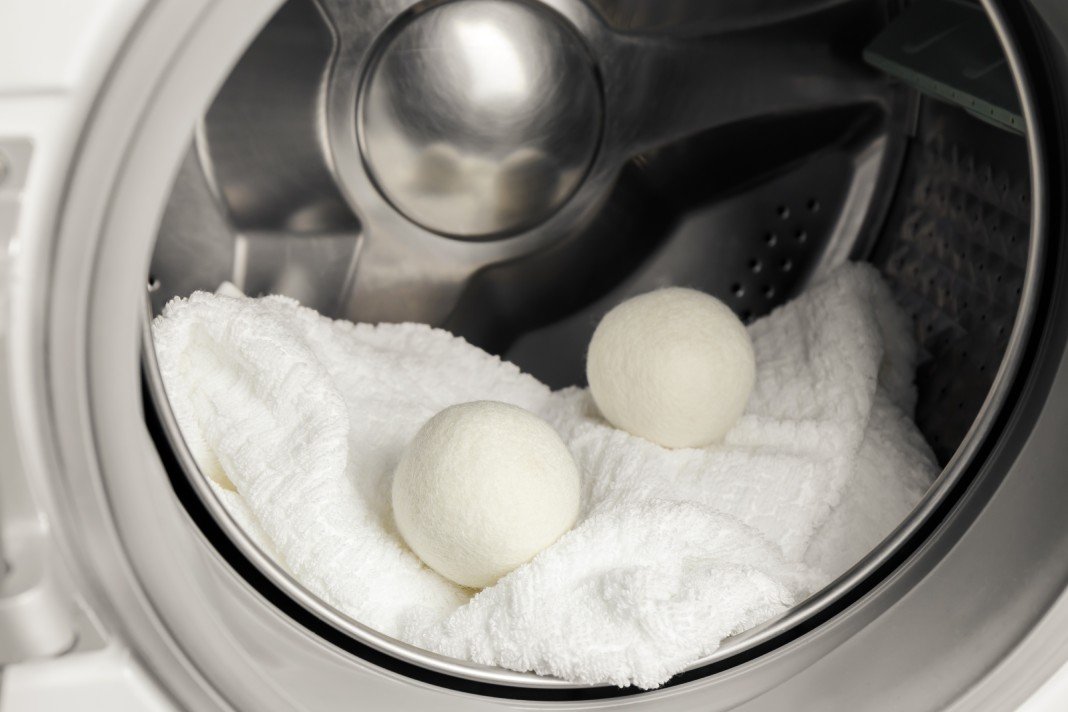
3. Wool Dryer Balls: Reusable and Natural Softeners
Wool dryer balls are a fantastic sustainable alternative to disposable dryer sheets and liquid fabric softeners. Made from 100% natural wool, these balls are designed to be tossed directly into the dryer with your wet clothes. As they tumble, they help to separate the laundry, allowing hot air to circulate more efficiently. This increased airflow reduces drying time, saving energy and reducing wear and tear on your clothes. The gentle friction of the wool also helps to naturally soften fabrics and reduce static cling. For added fragrance, you can infuse them with essential oils.
Equipment / Tools Needed:
- Wool dryer balls (typically 3-6, depending on load size)
- Essential oils (optional, for scent)
Instructions:
a. Select Wool Balls: Use between three and six wool dryer balls per load. Larger loads may benefit from more balls for optimal separation and softening.
b. Essential Oils (Optional): If you desire a scented laundry experience, apply a few drops of your preferred essential oil (such as lavender for relaxation or citrus for freshness) directly onto each wool dryer ball. Allow the oils to absorb for a few minutes before use.
c. Toss and Dry: Place the wool dryer balls, with or without essential oils, into the dryer along with your damp clothes. Ensure they are not packed too tightly, allowing them room to move freely.
d. Start the Dryer: Operate your dryer as usual. The wool balls will work throughout the drying cycle to naturally soften fabrics, reduce wrinkles, and decrease drying time. They are durable and can be reused for hundreds of loads.
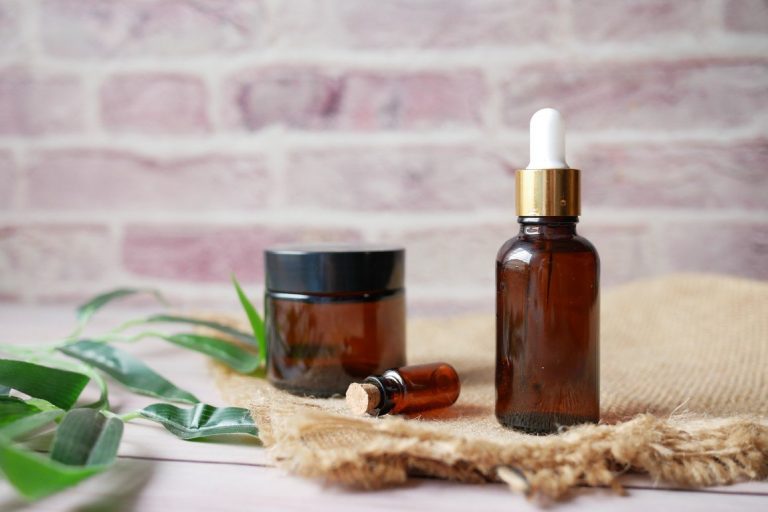
4. DIY Dryer Sheets: Reusable Scented Fabric Softeners
Create your own reusable dryer sheets for a natural way to soften clothes and combat static cling. This method is an excellent way to repurpose old cotton fabrics and customize the scent of your laundry using essential oils, avoiding the synthetic fragrances and chemicals often found in commercial dryer sheets.
Equipment / Tools Needed:
- Old, clean cotton fabric or cloth scraps (e.g., from old t-shirts or towels)
- Essential oil (optional, for scent)
- A sealable jar or container
Instructions:
a. Fabric Selection: Cut clean cotton fabric scraps into practical sizes, such as 4×4 inch squares or rectangles. Ensure the fabric is absorbent and free from any harsh dyes or finishes.
b. Optional Scent: For a fragrant boost, add a few drops of your chosen essential oil to each fabric square. Allow the oil to soak in for a few minutes. Consider scents like lavender, chamomile, or a blend of citrus oils.
c. Storage: Keep the prepared fabric squares in an airtight container or a resealable jar. This prevents the essential oils from evaporating too quickly and keeps the sheets ready for use.
d. Usage: Place one or two of these DIY dryer sheets into your dryer with each load of wet laundry. They will help reduce static and impart a subtle, natural scent to your clothes as they dry. After use, return them to their storage container.

5. Epsom Salt: A Surprisingly Effective Softener
Epsom salt, commonly recognized for its therapeutic benefits in baths, also possesses properties that can soften fabrics. When added to the wash cycle, it helps to break down mineral deposits that can make clothes feel stiff, especially in areas with hard water. It acts as a natural fabric softener, making clothes feel more pliable and comfortable against the skin.
Equipment / Tools Needed:
- Epsom salt
- A sealable jar or container
Instructions:
a. Measure: Measure one cup of Epsom salt. Ensure it is pure Epsom salt without any added fragrances or oils unless specifically intended for laundry use.
b. Storage: Keep the measured Epsom salt in a clean, dry, sealable jar or container. This helps maintain its quality and prevents it from clumping due to moisture.
c. Usage: Add approximately 1/4 to 1/2 cup of Epsom salt directly into your washing machine’s fabric softener dispenser. As the machine fills for the rinse cycle, the Epsom salt will dissolve and distribute through the load, softening the fabrics and reducing static cling.
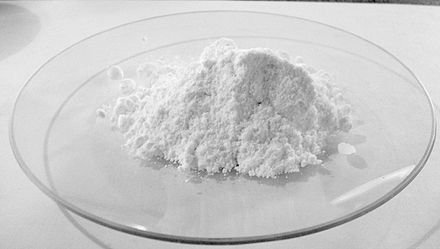
6. Washing Soda: Cleaning Power with Softening Benefits
Washing soda, chemically known as sodium carbonate, is a potent cleaning booster that also offers fabric softening qualities. It is more alkaline than baking soda and excels at cutting through grease and grime, making your laundry cleaner. In addition to its cleaning prowess, washing soda helps to soften water, which in turn allows detergents to work more effectively and leaves fabrics feeling softer and less stiff. It’s a great addition for tackling tough stains and improving the overall feel of your laundry.
Equipment / Tools Needed:
- Washing soda (sodium carbonate)
- A sealable jar or container
Instructions:
a. Measure: Measure one cup of washing soda. Handle with care, as it can be a mild irritant.
b. Storage: Store the washing soda in a tightly sealed jar or container to protect it from moisture and prevent clumping.
c. Usage: Add 1/4 to 1/2 cup of washing soda directly to the drum of your washing machine along with your regular laundry detergent. It will dissolve during the wash cycle, enhancing the cleaning power of your detergent and contributing to softer clothes. It is particularly effective in hard water conditions.

Greenify Your Laundry Care with Rinse
For those seeking a convenient and environmentally responsible approach to laundry and dry cleaning, Rinse offers a comprehensive solution. Their commitment to sustainable practices ensures that your garments are treated with care, prioritizing gentle methods and eco-friendly products. Rinse understands the importance of using ingredients that are safe for your clothes, your skin, and the planet. This dedication is evident in their 100% perc-free dry cleaning process and their use of modern, energy-efficient equipment, aligning with the principles of green laundry care.
Choosing Rinse means opting for laundry services that not only deliver soft, fresh results but also contribute positively to a more sustainable future. Embrace a laundry routine that is gentler on the environment, one load at a time. Discover the ease and effectiveness of Rinse’s pickup and delivery laundry services, designed to fit seamlessly into your busy life while upholding a commitment to eco-conscious cleaning.
Contact Rinse today to experience their expertise in green laundry and dry cleaning services.
Image Sources: The Kraft Heinz Company, Unilever plc, Church & Dwight Co., Inc.
Discover more eco-conscious tips and solutions by exploring our Blog.