Many everyday fabrics labeled “dry clean only” can actually be cared for at home with the right techniques, saving both time and money. This article explores practical methods for refreshing garments, distinguishing between items that can be safely laundered or steamed at home and those that truly require professional attention. Discover how to achieve a “dry clean” level of freshness without the costly trip to the cleaner, and learn which materials are best left to the experts at inktasticmerch.com.
Can You Dry Clean At Home?
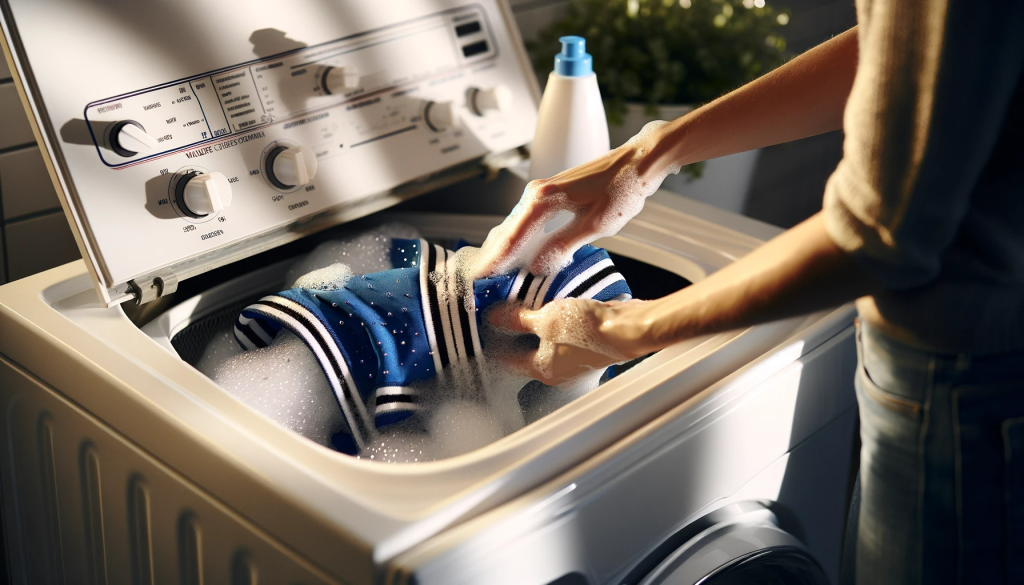
In today’s world, where convenience and cost-effectiveness are essential, many individuals wonder whether they can tackle “dry clean” labeled garments at home. The good news is that washing some of these items can indeed be done in the comfort of your home! Many fabrics marked as “dry clean only” can safely be washed using cold water combined with delicate detergents, such as Delicate Wash.
Important Note: Regardless of the detergent or wash cycle selected, it’s crucial to know that certain fabrics can be particularly sensitive and should never be washed at home. While we typically advocate for home care to help cut down on dry cleaning costs, there are exceptions. For some materials, professional cleaning is the most reliable option. In many situations, however, you can achieve a “dry clean” level of freshness by using fabric sprays like Delicate Spray or Classic Fabric Spray and lightly laundering or steaming your garments at home. Let’s delve deeper into how to effectively “dry clean” at home and which items are best left to professional cleaners.
Viscose & Polyamide
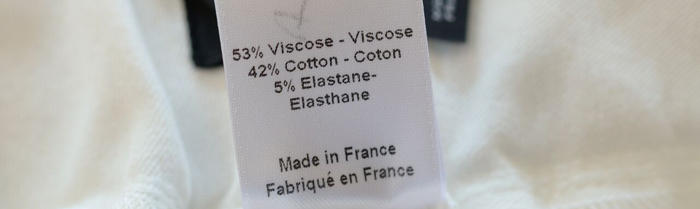
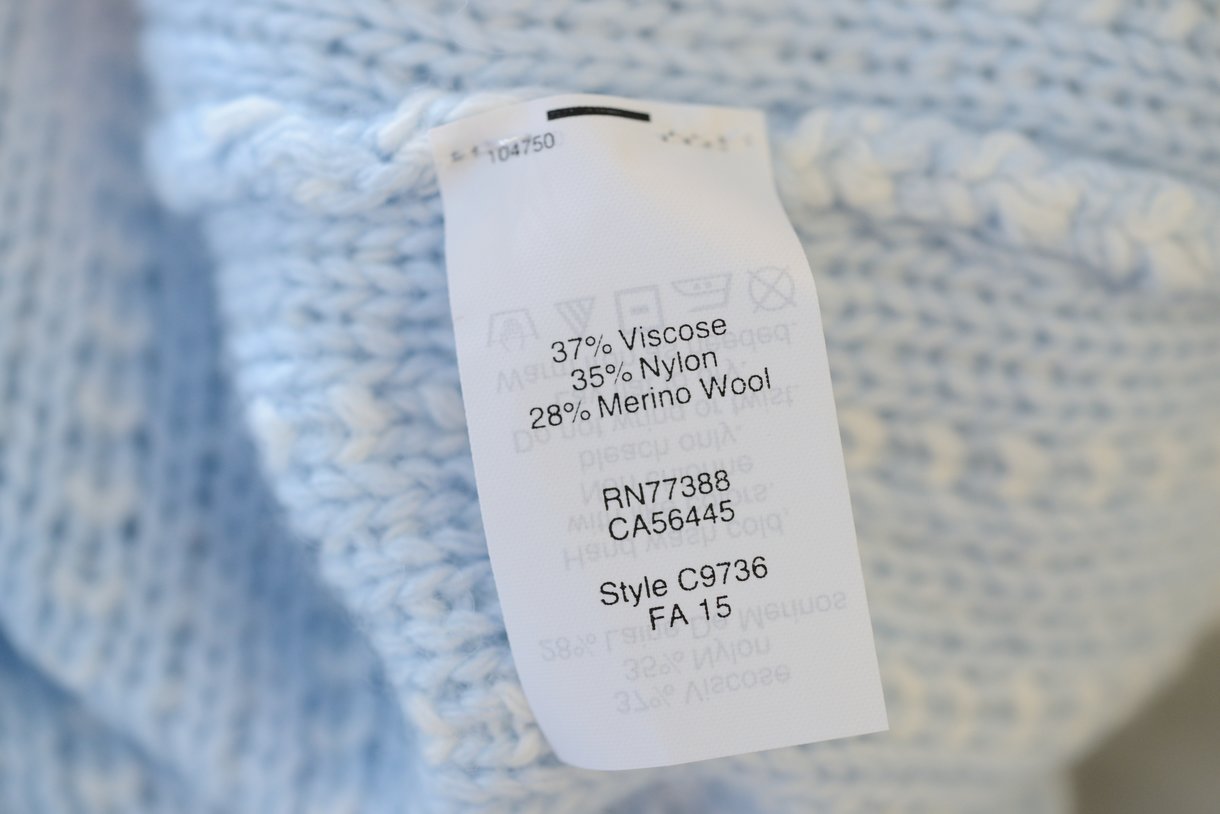
Viscose is a semi-synthetic fabric derived from regenerated cellulose, renowned for its luxurious, silk-like texture and brilliant dye absorption. However, caring for viscose properly can be quite perplexing. While many rayon types can endure washing (always check the label!), viscose is notorious for shrinking and losing its shape.
To ensure the longevity and appearance of your viscose garments, it’s essential to follow recommended care practices. As a type of rayon, viscose garments are often prone to significant shrinkage, warping, or puckering when washed improperly. Unless clearly labeled as washable or you have conducted a water test, it’s advisable to avoid washing viscose at home. In most cases, viscose cannot be machine washed. Instead, consider freshening your viscose items using a fabric spray, such as Classic Fabric Spray, ensuring to test it first on an inconspicuous area!
When in doubt, it’s wiser to opt for steam cleaning or professional dry cleaning to prevent irreversible damage to your cherished pieces. While our ethos encourages tackling fabric care at home, certain beloved items—such as that stunning little black dress or treasured scarf—are better left in the hands of experts.
Example: A well-known illustrative instance is the classic Diane Von Furstenberg black matte wrap dress, which is infamous for shrinking to half its original size!
If your viscose item is wrinkled but not soiled, steaming is an excellent, gentle solution to revive it. This method not only dispels wrinkles but also refreshes the fabric, helping to maintain a fresh scent between washes by simply spritzing it with a fabric refresher after steaming.
Polyamide, frequently blended with viscose or rayon, poses similar washing challenges. It’s best to avoid laundering items containing polyamide, as they can expand or warp—in fact, a first-hand experience of a blend expanding to twice its original size brings this cautionary tale to life!
Example: Common culprits include women’s blazers and structured suit pants, particularly those that have linings.
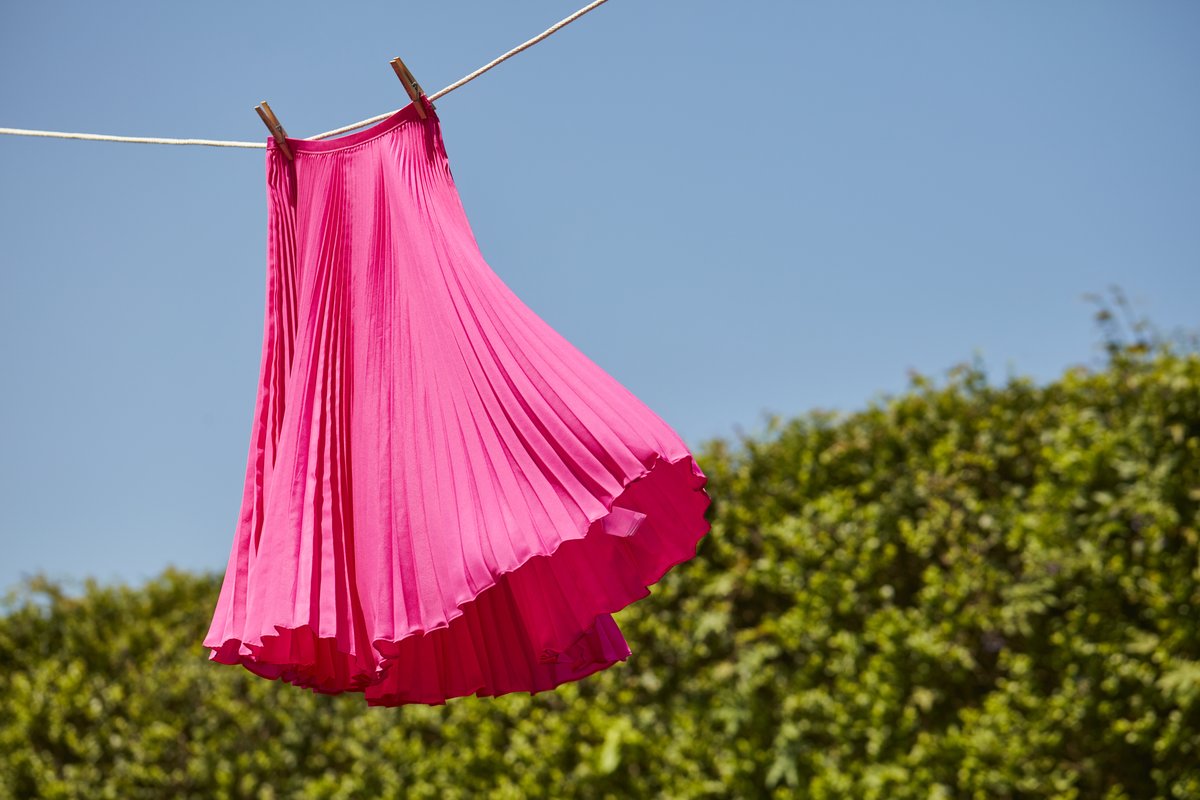
Items with Manufactured Pleating
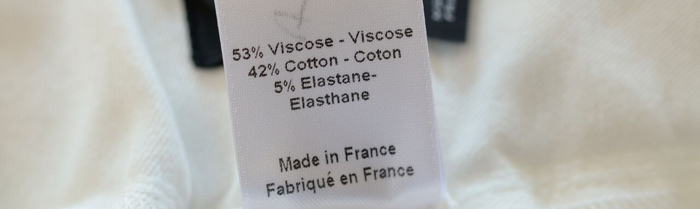
These pieces feature pleats created with heat instead of permanent stitching. Washing may destroy these pleats and make it impossible to recreate them. For at-home maintenance, consider steaming these items and always hang them to preserve their shape.
Structured Items
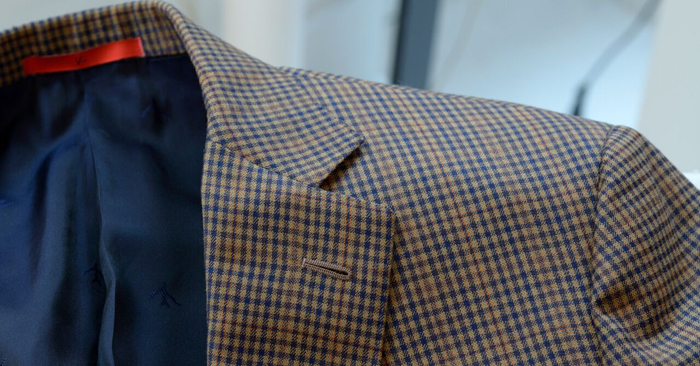
Structured fabrics often incorporate elements like padding and interfacing, which can become dislodged during washing. Therefore, these items are typically unsuitable for home laundering. Instead, you can focus on freshening them up and potentially spot treating any stains based on the specific fabric.
Examples: Items such as neckties or blazers with shoulder pads are prime candidates for special care.
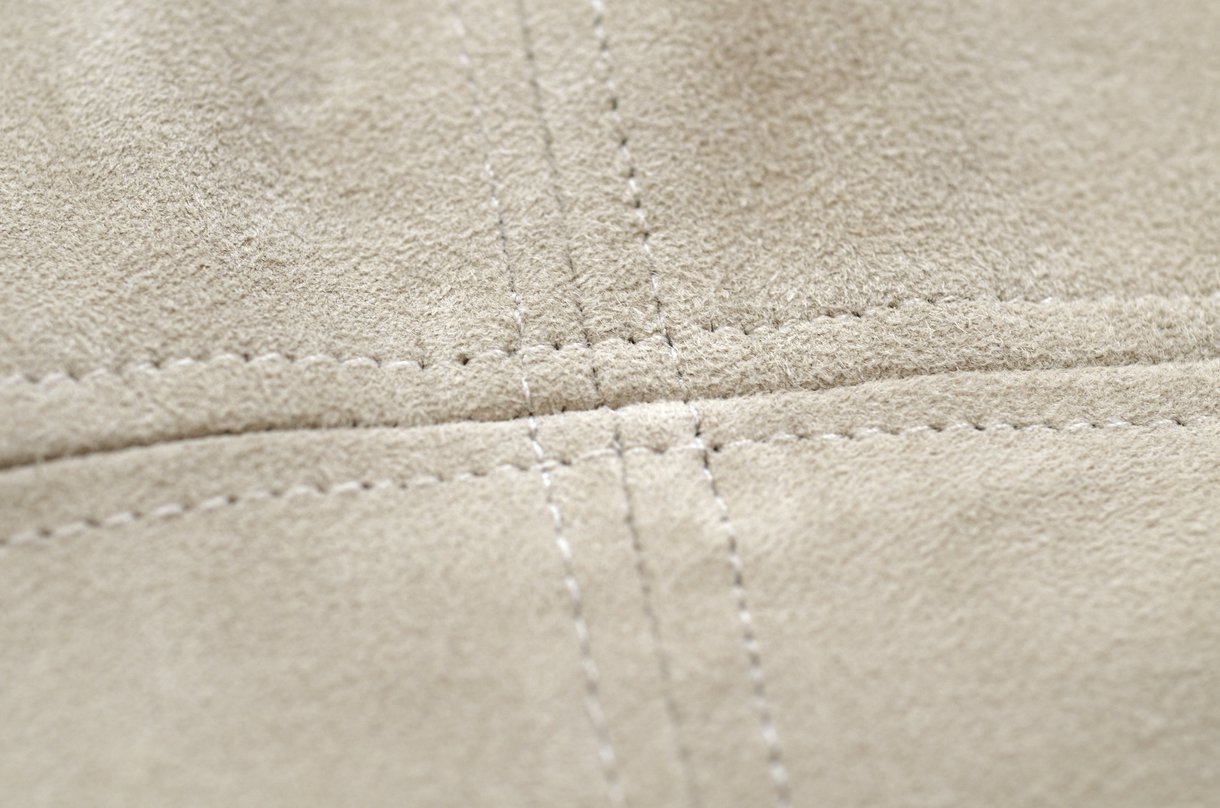
Suede
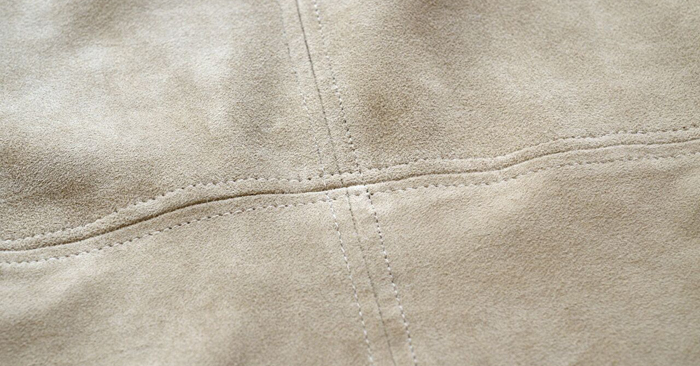
Always heed the label! If an item specifies “Not Washable” or “Dry Clean Only,” it’s best to refrain from washing. Although certain types of faux suede may be machine friendly, true suede typically requires a professional touch. When in doubt, consult with a leather specialist.
Leather Labeled Not Washable
Leather can vary greatly based on its finish, which complicates cleaning advice. Here are some general guidelines:
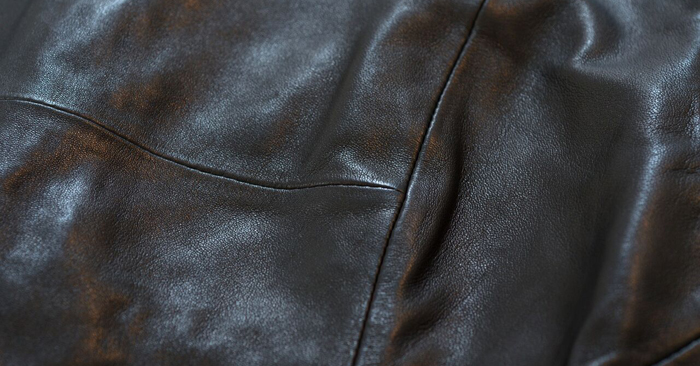
Leather labeled “Not Washable”: Items with this label should not be exposed to water! Follow the guidance as it’s vital.
Leather labeled “Washable”: Many leather items marked as washable can be safely laundered; however, it’s essential to test a small area first to ensure there’s no discoloration.
Leather Trim: Often, items with leather trim labeled as “dry clean” can be safely washed since most trims are made of garment-washed leather, which is already treated before it was sewn into the main garment.
Examples: Look for sweaters with leather patches, accessories featuring leather collars, and pants accented with leather detail.
Fur With Skin
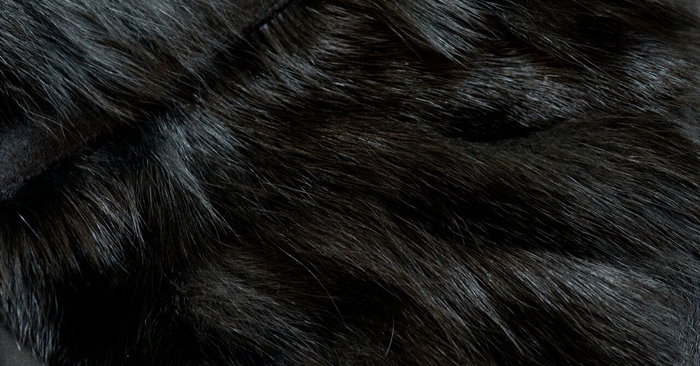
Fur with skin should not be washed: Avoid washing fur that has a skin layer as it can shrink or become damaged with water exposure.
Fur without skin may be safely washed: Fur that is knitted or lacks attached skin can often withstand washing. Use Wool & Cashmere Shampoo for best results.
Vintage fur should be treated with caution: Older furs are usually fragile and could disintegrate during laundering.
How to Reduce Your Dry Cleaning Costs
Many individuals turn to dry cleaning out of concern for wrinkles or for freshness. However, if your item isn’t genuinely soiled, consider alternatives to cut down on dry cleaning expenses. Between cleanings, steaming is an effective way to eliminate wrinkles and odors, making it suitable for both “Dry Clean Only” items and non-machine-washable pieces like upholstery.
Disclaimer: These techniques are grounded in textile science, but actual performance and reactions may vary by garment.
We hope this guide helps you navigate the world of “dry clean only” garments with more confidence! For more helpful tips and articles on fashion care and style, be sure to explore the rest of our Blog.