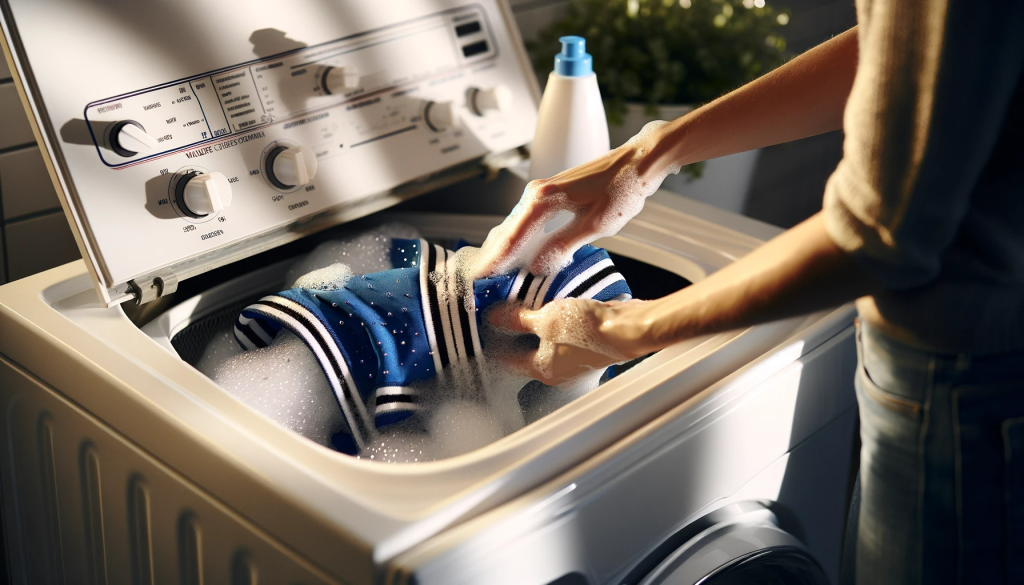

Clothing care labels are crucial for maintaining your garments, but some fabrics, like silk, velvet, wool, and leather, require professional dry cleaning to preserve their quality. For all your other clothing needs, explore the wide selection at inktasticmerch.com to ensure your wardrobe stays in top condition.
<div id="blog-articlecontent” class=”blog-articlecontent”>
Clothing care labels are your primary guide for maintaining your garments. This small tag provides essential washing instructions to ensure your beloved items receive the appropriate treatment. Let’s explore common fabrics that require professional dry cleaning versus those you can confidently care for at home.
Fabrics Requiring Professional Dry Cleaning
Silk
Silk is a luxurious and delicate fabric that demands meticulous care to preserve its inherent structure and aesthetic appeal. Professional dry cleaning is the most effective method to prevent any distortion to its unique texture, vibrant color, and original shape. While hand washing can be an option for some silk items, entrusting them to a professional dry cleaner is the surest way to maintain their pristine condition over time.
Velvet
Similar to silk, velvet is considered an upscale fabric belonging to the delicate category. It is particularly susceptible to damage from water and moisture. Wet cleaning processes can easily lead to shrinkage or the formation of stubborn spots that are difficult to eradicate. To safeguard your velvet garments and preserve their exquisite beauty, it is highly recommended to seek professional dry cleaning services.
Wool
Wool is a natural and distinctive fiber that necessitates either careful hand washing or professional dry cleaning. To avoid any unexpected damage or alteration to your favorite wool sweaters, refrain from placing them in a standard washing machine.
Leather
If you have recently acquired a vintage leather jacket, proper care is crucial for its longevity. For minor stains, gently scrape off any residue. However, it is vital to keep leather away from water, as it can significantly damage the material. For comprehensive, long-term maintenance and to address more significant issues, entrust your leather items to an experienced dry cleaner.
Other Delicate Fabrics
Beyond silk and leather, several other high-end fabrics, including chiffon, linen, rayon, and suede, benefit greatly from professional cleaning. This ensures their natural luster and form are preserved. Furthermore, formal wear such as suits and most professional attire should ideally be entrusted to the care of a professional cleaning service.

Fabrics Suitable for Home Laundering
Cotton
Cotton is a highly versatile and robust natural fabric that can be successfully laundered using warm or cool water with a standard detergent. While machine washing is generally safe, avoid excessively hot water, as it can lead to color fading. To prevent color transfer, it is advisable to separate garments by color, especially when not using cold water.
Knits
Knit garments are typically crafted from natural fibers such as cotton or wool. Therefore, it is essential to strictly adhere to the care label instructions to prevent stretching, pilling, and distortion. Ensure that the detergent you use is formulated for delicates, and absolutely avoid using bleach.
Polyester and Other Synthetics
Synthetic fabrics, including polyester and nylon, can be safely machine washed using warm water on either the delicate or permanent press cycle. However, exercise caution during the drying process to prevent permanent wrinkling. Utilizing a mesh laundry bag can also offer an additional layer of protection.
More delicate luxury items, such as those made from cashmere blends, should always be hand-washed in cold or lukewarm water with a gentle laundry soap. Avoid wringing the fabric, as this can permanently damage the material. Instead, lay the garment flat on a drying rack or use a mesh drying rack to help the clothing maintain its shape. If time is a constraint, placing the item in a laundry bag and selecting the most delicate cycle on your washing machine can effectively replicate the hand-washing process.
When in doubt about the proper care for your clothing, always consult the care label. A comprehensive understanding of common symbols and instructions can help you avoid common laundry mishaps.
If the instructions on care labels feel overwhelming, consider utilizing a professional laundry service. Services like Rinse offer Wash & Fold, Dry Cleaning, and Hang Dry options to ensure your clothes are expertly cared for. Signing up for their service and scheduling a pickup is a convenient way to manage your laundry needs.
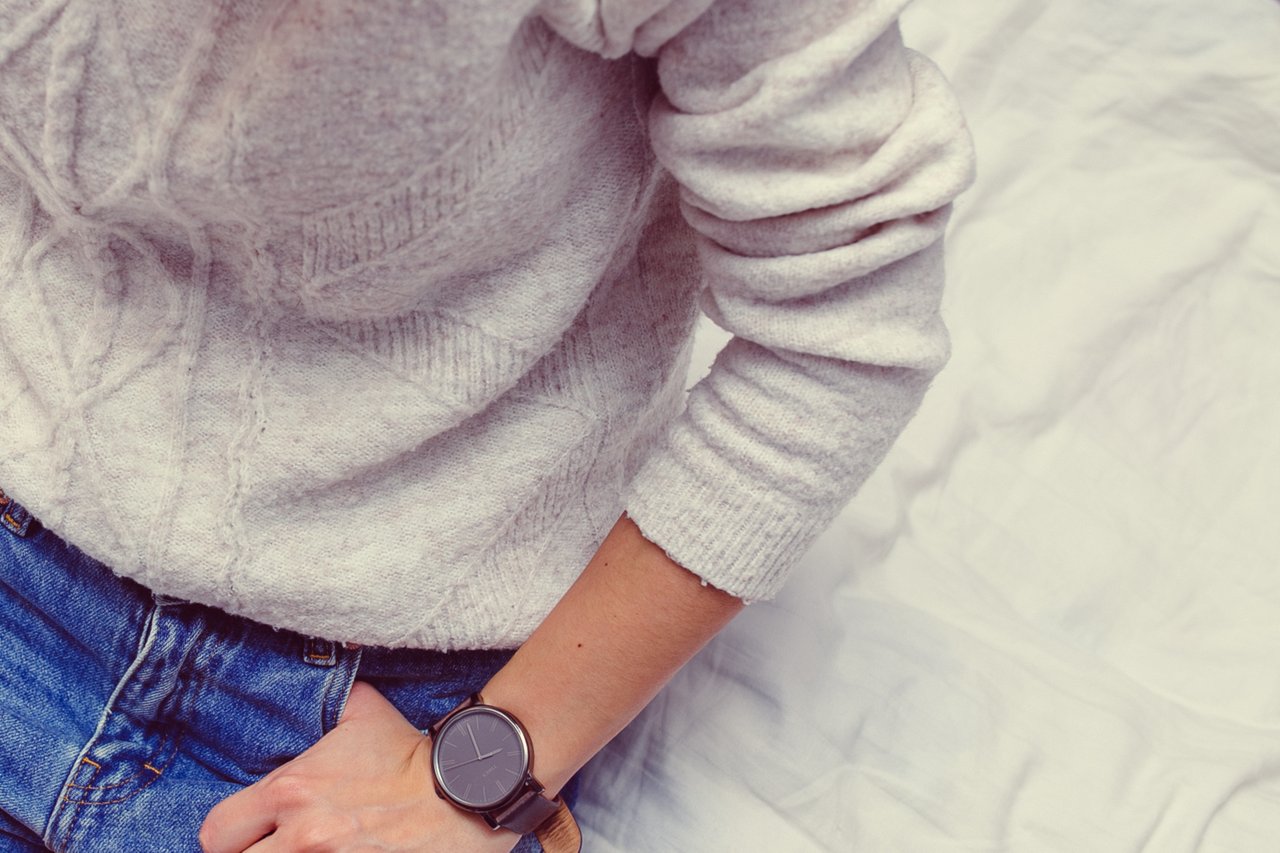
Can Hand-Wash Items Be Dry Cleaned?
Yes, hand-wash items can often be dry-cleaned, but the suitability depends heavily on the fabric composition. Materials like linen, cashmere, and silk, which are generally dry-clean friendly, can be taken to a professional cleaner. However, it is crucial to inform the cleaner about the “hand wash only” tag. Certain dry-cleaning chemicals, such as perchloroethylene (perc) or tetrachloroethylene, may not be ideal for all garments marked for hand washing.
You might also consider at-home dry cleaning as an alternative to professional services. While possible, it’s important to be aware that different fabrics have distinct care requirements. Specialized at-home dry cleaning kits are available, typically containing solvents, cleaning solutions, and stain removers, along with detailed instructions. Carefully follow these steps, place your clothes in the provided reusable bag, and run your dryer according to the kit’s directions. Remember to air out your garments afterward to dissipate any residual odors.
The Nuances of At-Home Denim Care
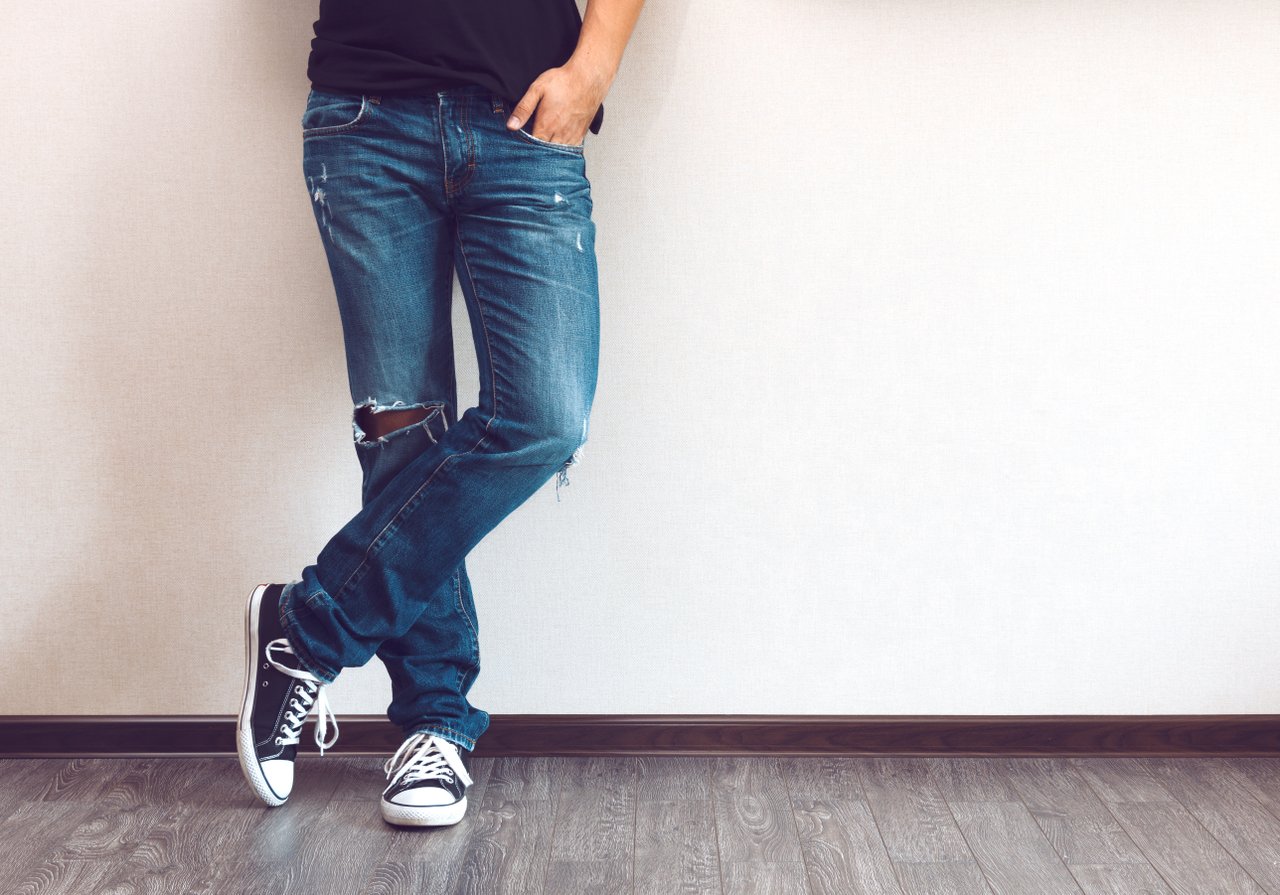
Contrary to common assumptions, denim does not always fare well with aggressive washing and drying cycles. Despite its inherent durability, proper jean care can be quite specific. Most jeans are best washed inside-out in cold water and then hung to air dry. Some high-end denim brands may even benefit from professional dry cleaning. For raw denim, which is in its purest, untreated state, the most recommended practice is to avoid washing altogether. If a stain occurs, attempt to spot clean it with a damp cloth or consult experts for specialized assistance.
Caring for Specialty Garments
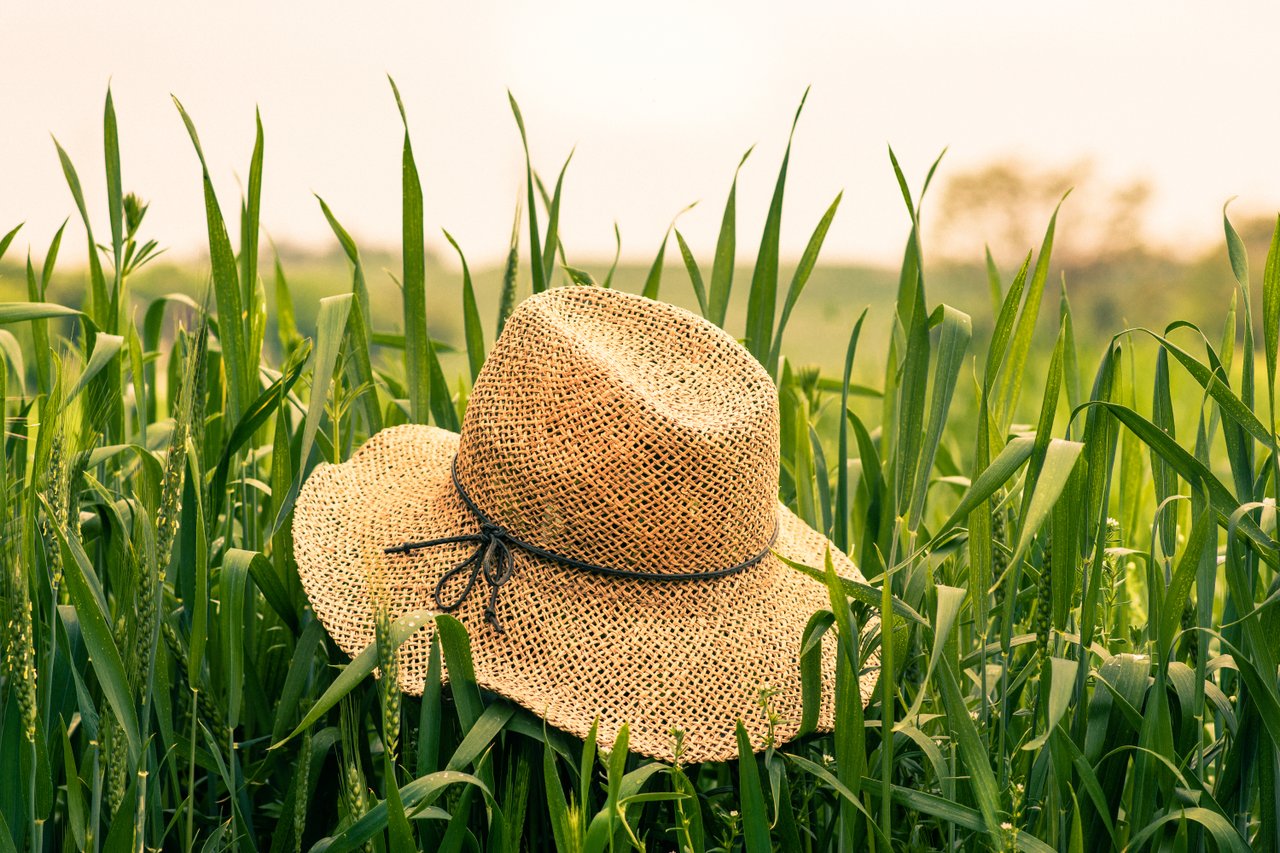
Certain items in your wardrobe demand extra attention, such as suede dresses with fringe or straw sun hats. For hats, use a damp cloth to gently remove dirt, dust, or sweat stains. Store them in a cool, dry place away from direct sunlight to prevent color damage. Garments with intricate embellishments, like fringes or sequins, often require hand washing with a mild detergent. Embroidered pieces are best machine washed inside-out, placed in a mesh laundry bag, and run on the delicate cycle.
When uncertain about the best approach for caring for a specific garment, always consult your trusted dry cleaner. Most modern dry cleaning establishments offer a comprehensive range of services to meet diverse clothing care needs. If a particular cleaner lacks the in-house expertise for a specialized item, they can often refer you to a reputable specialty cleaning service in your area or outsource the item to ensure it receives the appropriate treatment.
Photos: Irene Lasus, Matthew Wiebe, Kasia Serbin, Eranicle, Alex Blăjan
Navigating the world of fabric care doesn’t have to be complicated; dive deeper into our Blog for more expert advice on keeping your wardrobe looking its best.