
Donating unwanted clothing is a rewarding way to declutter your wardrobe and support those in need, but knowing what to donate and how can make the process much smoother. By understanding the essentials of what to do and what to avoid, you can ensure your garments find a good home and contribute positively. Discover more ways to organize your life and style by visiting InktasticMerch.
<div id="blog-articlecontent” class=”blog-articlecontent”>
Donating unwanted clothing is a practical and environmentally conscious act. By giving your garments a second life, you significantly reduce the volume of textile waste destined for landfills. This process also conserves valuable resources such as water, energy, and chemicals that would otherwise be consumed in the manufacturing of new apparel. Furthermore, your contributions can provide essential support to communities in need through various charitable organizations.
Sorting Your Wardrobe for Donation: The “Do’s”
- Underutilized Items: If an item has been languishing in your closet or drawers, untouched for an extended period, it’s a prime candidate for donation. Freeing up space in your wardrobe can be as beneficial as the donation itself.
- Size Discrepancies: Clothing that no longer fits due to changes in size should be passed on. Holding onto items that are too small or too large is a common clutter trigger, and a new owner can give these garments purpose.
- Evolving Personal Style: As personal tastes and styles change, clothing that once represented a particular phase may no longer align with your current aesthetic. Donating these pieces allows them to find a home with someone who will appreciate them.
- High-Value Garments: Do not hesitate to donate expensive or formal wear, such as suits or evening gowns. Many donation centers have specific programs that distribute these items to individuals requiring professional attire for job interviews or formal events like proms, offering a crucial boost in confidence and appearance.
Clothing Donation Etiquette: The “Don’ts”
- Undergarments: Underwear, bras, and other intimate apparel are generally not accepted for donation due to hygiene standards. These items are typically expected to be purchased new.
- Damaged or Worn-Out Items: Clothing with significant wear and tear, such as holes, rips, or extensive fraying, should not be donated. Items should be in a condition that is either like-new or gently worn to be suitable for a new owner.
- Unpleasant Odors: Clothes that retain persistent unpleasant smells, even after washing, are not appropriate for donation. Any lingering odors can make the garment undesirable for recipients.
- Stained or Soiled Clothing: Items with noticeable stains or spots that cannot be removed through standard laundering or professional cleaning should be set aside. While minor, treatable stains might be acceptable after cleaning, persistent marks render the item unsuitable for donation. Consider repurposing these items for cleaning rags or other household uses.
<img alt="clothing donation" src="https://inktasticmerch.com/wp-content/uploads/2025/12/1-header-v1_5-jpg1170x0_q85_subsampling-2_upscale.jpg” title=”1-header-v1_5-jpg1170x0_q85_subsampling-2_upscale”>
Ensuring Cleanliness: Wash or Dry Clean All Items
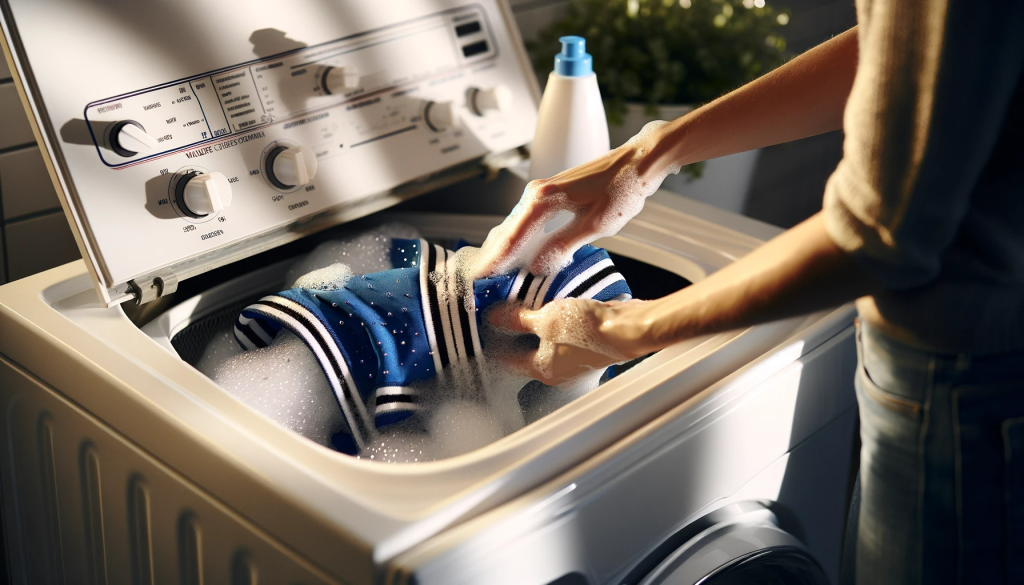
To ensure your donated clothing is well-received and immediately usable by its next owner, it is imperative that all items are freshly laundered or dry-cleaned. Presenting clean garments is a sign of respect for the donation process and the individuals who will benefit from your generosity. Services that offer pickup, cleaning, and subsequent donation can streamline this process.
Strategic Donation: Where to Give Your Clothes
Having a clear plan for your clothing donations is crucial to prevent your good intentions from resulting in clutter accumulation. Without a defined strategy, bags of clothes can linger in your home for months. To facilitate the process and ensure your items reach their intended recipients efficiently, consider these straightforward options:
- Convenient Pickup Services: Opt for donation services that offer complimentary pickup with other household tasks. For example, some services will collect your clothing donations free of charge when you schedule another order with them. Verify if you are within their service area to utilize this convenient method.
- Local Charity Drop-Offs: Delivering your clothes directly to a local charity is a direct and effective method. Many national and community-based organizations gratefully accept clothing donations. Examples of reputable organizations include:
- American Red Cross
- Becca’s Closet (often focuses on formal wear for students)
- Big Brother Big Sister Foundation
- Goodwill Industries
- Local places of worship (churches, synagogues, mosques, etc.)
Alternatives for Unsuitable Clothing
When clothing items are beyond the point of donation due to wear and tear, there are still sustainable options available that minimize environmental impact. Repurposing and recycling are excellent alternatives to discarding these garments.
Creative Repurposing:
Many old garments can be given a new purpose around the house. For instance, worn-out t-shirts and towels can be cut into cleaning rags. Shirts can also be transformed into durable dog toys through simple braiding techniques, a project that can be both fun and beneficial for local animal shelters, which often welcome such donations to keep their resident animals entertained.
Textile Recycling:
For clothing, towels, and bed linens that are too worn to be donated or repurposed for household use, textile recycling is an environmentally sound solution. Many local non-profit organizations partner with textile recyclers and can facilitate the collection and processing of these materials. Resources like the organization Secondary Materials and Recycled Textiles (SMART) can provide guidance on finding local textile recycling options.
By following these guidelines, you can ensure your clothing donations are a success for both you and the recipients. For more helpful articles and tips, explore our extensive Blog.