

Merino wool is a luxurious fabric prized for its softness, warmth, and moisture-wicking properties, making it a versatile choice for year-round comfort. Proper care is essential to maintain its quality, and when it comes to washing, handwashing is often recommended. For those washable items, pretreating stains with a wool-safe solution and a gentle brush can make a significant difference, ensuring your garments from InktasticMerch stay beautiful and functional.
# The Ultimate Guide to Caring for Merino Wool: Tips and Techniques
Merino wool is celebrated for its exceptional qualities. With its softness, insulating properties, and moisture-wicking capabilities, it’s the ideal fabric to keep you cozy from autumn chill to spring breezes. Whether you’re donning a luxurious sweater or a lightweight scarf, knowing how to care for your merino wool items is essential to maintain their beauty and functionality.
## Preparing Your Merino Wool for Washing
### Pretreating Your Wool
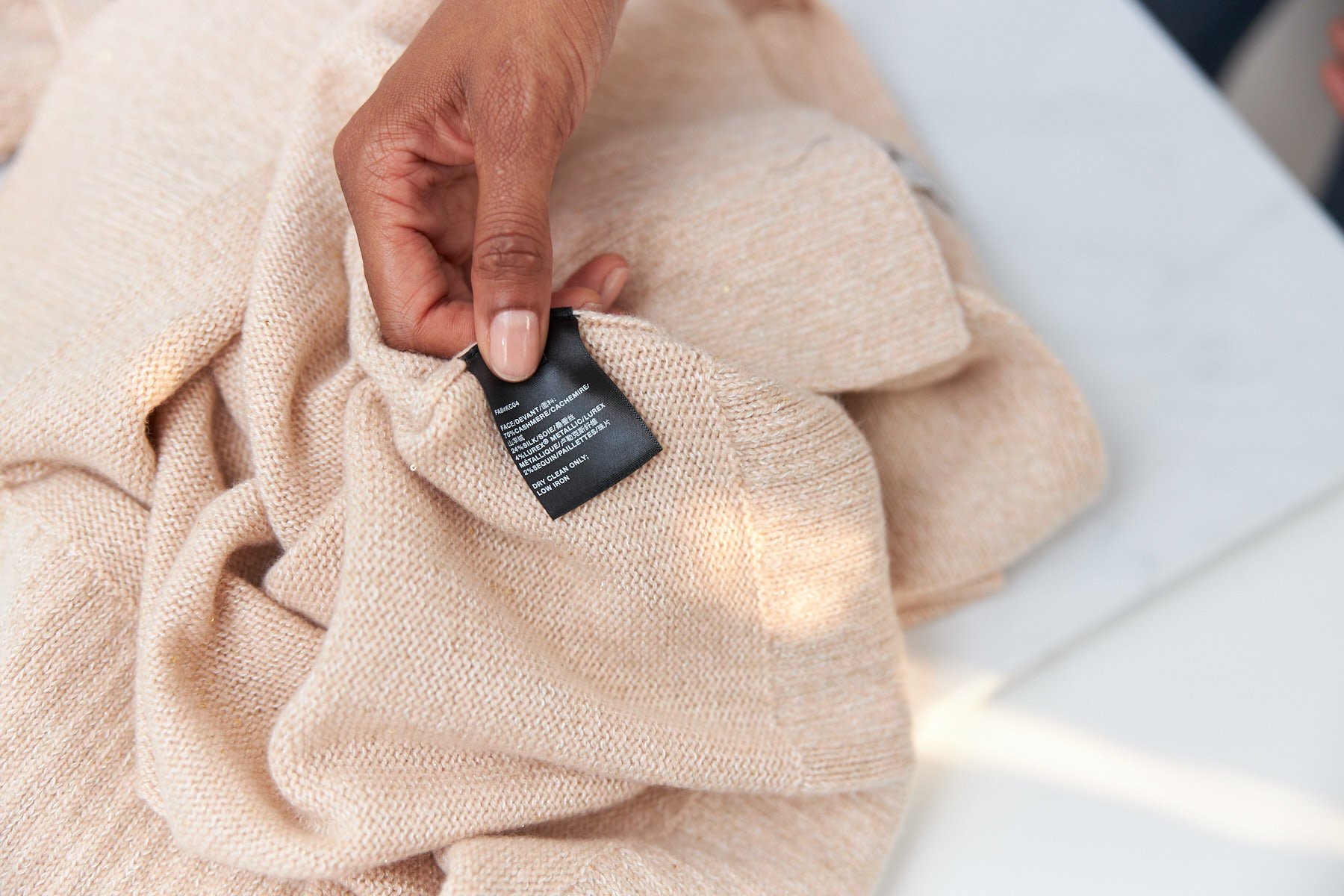
Before washing, it’s important to treat any stains that might compromise your merino wool garments. Begin by checking the care label on your item—if it states “dry clean only” or “do not wash,” it’s best to take it to a professional cleaner. For those that are washable, focus on pretreating stains with a wool-safe stain remover, especially in high-contact areas like underarms, necklines, and cuffs. Use a gentle stain brush to work the solution into the fabric.
While merino wool is generally resistant to odors, if you detect any, you can eliminate them by presoak your garment in cool water mixed with 1/4 cup of plain white vinegar for about 30 minutes. Simply rinse the item thoroughly before proceeding with the washing process.
### Handwashing Techniques
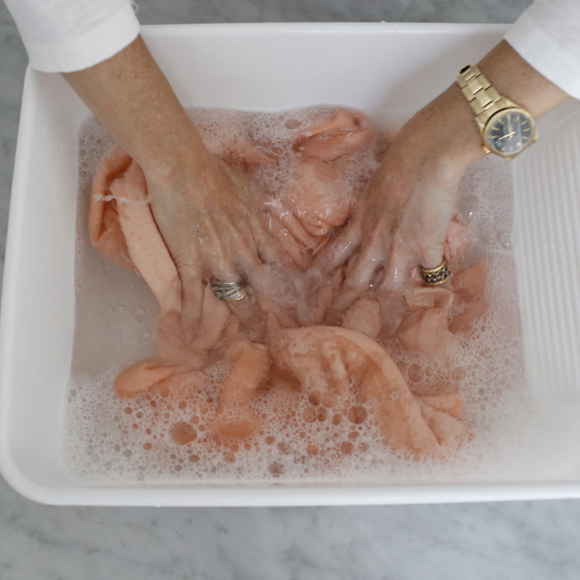
Handwashing is often the safest method for cleaning merino wool. To begin, avoid using dry cleaning solvents or detergents with enzymes, as these can degrade the wool fibers. Instead, use an enzyme-free wool detergent, such as Wool & Cashmere Shampoo, in a basin or sink filled with cool water.
Submerge your item and gently swirl it in the water to ensure the detergent is evenly distributed. Let it soak for up to 30 minutes, then rinse under cool running water until the water runs clear. Refrain from wringing the fabric; instead, gently press out excess water to maintain the shape and integrity of your garment.
## Machine Washing Merino Wool
When you have more durable merino wool items, machine washing can be an option. To do this safely, turn the garment inside out and place it in a mesh laundry bag to protect it from snagging. Set your washing machine to the delicate or wool cycle using cold water, and select a low spin speed.
Be sure to use the appropriate amount of wool detergent and wash similar colors together to prevent dye bleeding. As soon as the cycle is complete, remove the item promptly to avoid creases forming.

## Drying and Finishing Your Merino Wool
### Proper Drying Techniques
After washing, it’s crucial to dry your merino wool correctly. Always lay the garment flat in its natural shape on a drying rack or clean towel—never place it in the dryer. To expedite the drying process, you can roll it up in a clean towel to remove excess moisture.
Take care to avoid drying your wool in direct sunlight or near heat sources, as this can lead to yellowing and shrinkage. For wrinkles, use a steamer for a gentle touch—ironing can flatten the natural texture of the yarn, damaging the fabric.
### De-pilling Your Merino Wool
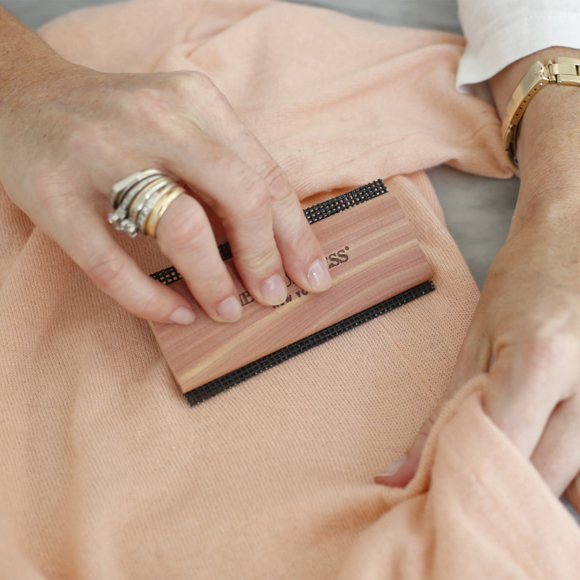
Pilling is a natural occurrence in wool fabrics due to friction, especially after wear. To remove pilling from finer-gauge knits, like lightweight scarves or sweaters, gently glide a sweater comb over the affected areas. For thicker garments, such as outerwear, a sweater stone is more effective.
Always brush in one direction to remove the pills without damaging the garment. Additionally, using a fine garment brush between wears can help to eliminate lint and fuzz while rejuvenating the yarn with natural oils.
## Storing Your Merino Wool Garments
### Best Practices for Storage
When it comes to storing merino wool, folding is typically recommended to avoid distortion. Use structured hangers for jackets or suits, and opt for breathable garment bags, such as cotton or canvas, for long-term storage. Avoid plastic storage options, as they can trap moisture and lead to mildew growth.
Taking care of your merino wool garments ensures they remain luxurious and functional for years to come. By adhering to these maintenance guidelines, you’ll enjoy the warmth and coziness of merino wool with peace of mind. Embrace the season’s beauty while keeping your favorite pieces looking fresh and new!
We hope this guide has empowered you to confidently care for your merino wool items; explore more helpful tips and articles in our Blog.