Wondering how often to wash your aprons? The frequency largely depends on usage and the inevitable kitchen messes. For professionals, daily washing is a must to tackle grease and food stains, while home cooks can often wait until visible dirt appears. For all your apron needs and washing tips, visit InktasticMerch.
How Often Should I Wash My Aprons?
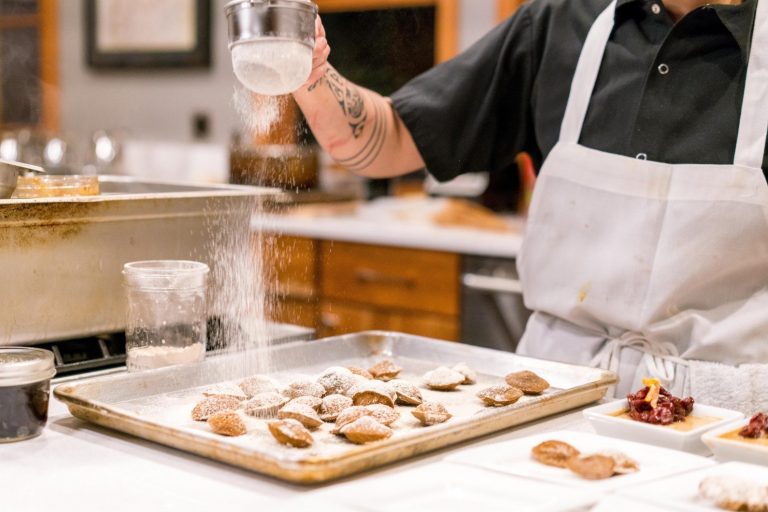
The frequency of washing an apron is directly correlated with its usage and the degree of exposure to kitchen activities and potential stains. For professionals working in busy culinary environments, such as chefs or line cooks, daily washing is often a necessity. Kitchen aprons, particularly those worn frequently, are prone to accumulating a variety of stains, with grease being a common culprit that can transform a once-clean garment into a heavily marked item.
For individuals who use their aprons less frequently, a good rule of thumb is to clean it whenever visible dirt or stains appear. If an apron has only been lightly used without significant soiling, it is perfectly acceptable to store it until its next use without immediate washing.
<img class="filer_image" alt="unnamed file" loading="lazy" src="https://inktasticmerch.com/wp-content/uploads/2025/12/65ed90bf-c0a8-45ea-8586-8814bf5ee74b-jpg896x1344_q85_crop_subsampling-2_upscale.jpg” title=”65ed90bf-c0a8-45ea-8586-8814bf5ee74b-jpg896x1344_q85_crop_subsampling-2_upscale”>
How to Wash an Apron (And Keep Strings from Tangling)
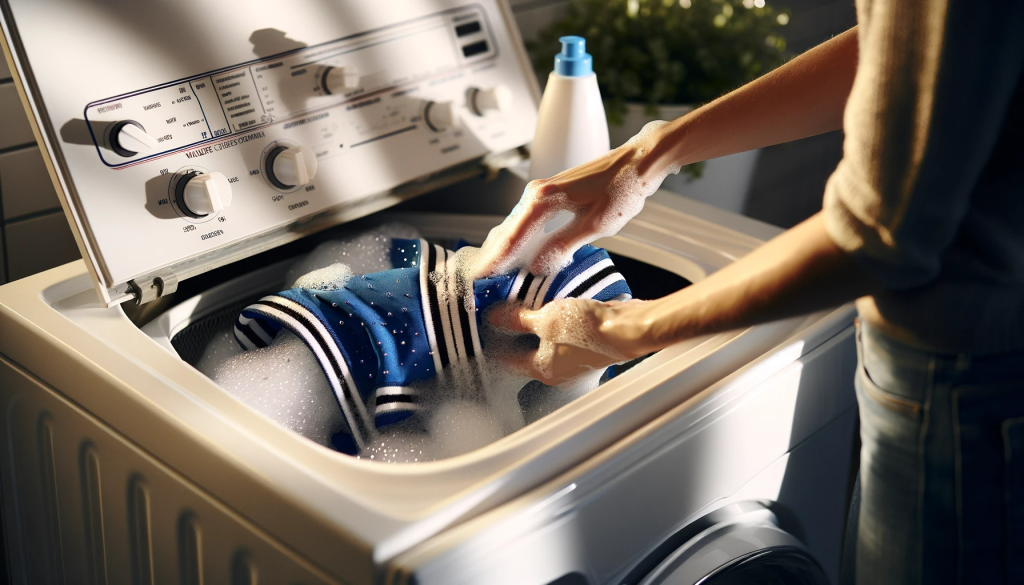
Proper apron washing techniques are essential for preserving both the aesthetic appeal and the functional integrity of the garment, especially in professional settings. The following step-by-step guide details how to effectively wash an apron while minimizing the common issue of tangled strings:
-
Pre-Treat Stains: Before placing the apron in the washing machine, thoroughly inspect it for any visible stains. Address these by applying a suitable stain remover directly to the affected areas. For common kitchen stains like grease or food spills, a paste made from baking soda and vinegar can be an effective pre-treatment. Gently work the solution into the stain and allow it to penetrate for a period before proceeding with the wash.
-
Prepare for Washing: To prevent the apron’s strings from becoming entangled with other laundry items or itself during the wash cycle, it is highly recommended to place it inside a mesh laundry bag or a zippered pillowcase. This protective measure is particularly beneficial for aprons with long ties or those featuring decorative elements that could be damaged. When washing white aprons, the addition of bleach may be considered, but for colored or dark aprons, opt for color-safe detergents to prevent fading.
-
Select the Right Washer Setting: Load the prepared apron into the washing machine. Choose a gentle cycle, using warm water for cotton-based aprons. For aprons made from synthetic materials, a cold water setting is generally more appropriate. The use of a mild dishwashing liquid or a gentle laundry detergent is advised to effectively clean the fabric without causing damage.
-
Washing Process: Initiate the washing cycle. To enhance the cleaning process and act as a natural fabric softener and deodorizer for white aprons, consider adding white vinegar to the rinse cycle. This not only helps in maintaining the apron’s pristine appearance but also ensures it retains a fresh scent.
-
Drying: After the wash cycle concludes, ensure the apron is thoroughly rinsed. Remove it from the mesh bag. For drying, you have two primary options: using a dryer on a low heat setting can help minimize wrinkles, or air drying offers a gentler method that further protects the fabric’s integrity.
-
Post-Wash Care: Once the apron is completely dry, inspect it for any remaining wrinkles. If necessary, use an iron set to the appropriate temperature for the apron’s fabric type to achieve a crisp, finished look.
<img class="filer_image" alt="unnamed file" loading="lazy" src="https://inktasticmerch.com/wp-content/uploads/2025/12/8ee7e298-66f0-4f4a-ba9a-af86f7c3f215-jpg1037x691_q85_crop_subsampling-2_upscale.jpg” title=”8ee7e298-66f0-4f4a-ba9a-af86f7c3f215-jpg1037x691_q85_crop_subsampling-2_upscale”>
Should I Put Aprons in the Dryer?
The decision to use a clothes dryer for aprons is largely dependent on the material composition of the apron. Most aprons made from cotton or synthetic fabrics can be safely dried in a machine, provided the correct settings are employed. For cotton aprons, utilizing a low heat setting is crucial to prevent shrinkage and minimize the formation of stubborn wrinkles. However, for aprons crafted from delicate fabrics or those featuring custom designs or embellishments, air drying is the preferred method to avoid potential heat damage.
If you opt for machine drying, it is advisable to remove the apron as soon as the cycle finishes. This prompt removal helps to reduce wrinkling and preserves the fabric’s texture and overall quality. Aprons with intricate details or those made from sensitive materials should ideally be air-dried. This can be achieved by hanging the apron on a drying rack or laying it flat on a clean surface, allowing it to dry naturally. Air drying not only safeguards against heat-induced damage but also aids in maintaining the apron’s original shape and effectively removes any lingering odors.
<img class="filer_image" alt="unnamed file" loading="lazy" src="https://inktasticmerch.com/wp-content/uploads/2025/12/9d7a5149-7109-4e23-b49c-874a37e0567f-jpg1037x691_q85_crop_subsampling-2_upscale.jpg” title=”9d7a5149-7109-4e23-b49c-874a37e0567f-jpg1037x691_q85_crop_subsampling-2_upscale”>
How to Get Stains Out of Aprons
Aprons, especially those used in professional kitchens, are frequently subjected to a wide array of challenging stains. Effective stain removal is paramount for maintaining a clean and professional appearance. The following guide provides specific methods for tackling common types of stains found on aprons:
1. Grease Stains
To effectively remove grease stains, apply a small amount of liquid dishwashing soap directly onto the stained area. The potent degreasing agents in dish soap are designed to break down and lift grease effectively. Allow the soap to sit on the stain for a few minutes to work its magic, then gently rub the area before washing the apron as usual.
2. Wine
Wine stains can often be neutralized using white vinegar or fresh lemon juice. Apply either of these acidic liquids liberally to the stain, letting it penetrate for several minutes. Afterward, rinse the area thoroughly with cold water and proceed with the standard washing process.
3. Coffee
For stubborn coffee stains, a mixture of equal parts white vinegar and warm water can be very effective. Apply this solution to the stain, allow it to soak into the fabric, and then rinse before washing the apron.
4. Chocolate
Begin by gently scraping away any excess chocolate residue from the fabric. Next, apply a solution of dishwashing detergent mixed with warm water to the stain. Gently rub the area to lift the stain, then rinse thoroughly before laundering.
5. Tomato Sauce
Directly apply white vinegar to the tomato sauce stain. Let it sit for a few minutes to help break down the pigments, then wash the apron in warm water.
6. Blood
For fresh blood stains, the immediate action is to rinse the affected area under cold running water. Subsequently, apply hydrogen peroxide or lemon juice to the stain, gently blot the area, and then wash the apron using cold water.
7. Ink
Ink stains can often be successfully treated with rubbing alcohol. Apply a small amount of alcohol to the stain, allow it to sit for a few minutes to dissolve the ink, then blot the area and wash as normal.
8. Curry
Curry stains, known for their vibrant and persistent color, can be tackled with a paste made from baking soda and water. Apply this paste to the stain, let it dry completely, brush off the dried paste, and then wash the apron.
9. Mustard
Treat mustard stains by applying a solution of dishwashing soap and warm water. Allow the solution to soak into the fabric, then rinse and wash the apron.
10. Oil-Based Dressing
Similar to other grease-based stains, oil-based salad dressing can be treated by applying liquid dishwashing soap directly to the stain. Gently rub the area to work the soap in, then wash the apron in warm water.
11. Berry Juices
Berry juice stains can often be removed by using boiling water. Stretch the stained portion of the apron over a bowl or basin and carefully pour boiling water through the stain from a height. This method helps to flush out the pigments. Afterward, wash the apron as usual.
12. Burned Food
For stains resulting from burned food, the best approach is to soak the apron in a solution of laundry detergent and warm water for an extended period before proceeding with the regular washing cycle.
<img class="filer_image" alt="unnamed file" loading="lazy" src="https://inktasticmerch.com/wp-content/uploads/2025/12/d56b393e-1a4b-4d22-a1bf-0dda02b34da9-jpg624x416_q85_crop_subsampling-2_upscale.jpg” title=”d56b393e-1a4b-4d22-a1bf-0dda02b34da9-jpg624x416_q85_crop_subsampling-2_upscale”>
Simplify Apron Care for Your Restaurant with Rinse
For restaurant owners and culinary professionals, the consistent upkeep of pristine kitchen aprons can represent a significant operational challenge. Rinse provides an efficient and streamlined solution to this common issue. Our specialized laundry and dry cleaning services are expertly designed to wash and clean aprons, ensuring the complete removal of stains and odors. Whether it involves employing dishwashing soap to tackle stubborn grease or utilizing a combination of stain removers and vinegar for various other marks, our process is comprehensive.
Our meticulous procedure includes the pre-treatment of all affected areas, soaking garments in water when necessary, and selecting the most appropriate dishwashing detergent based on the fabric type. Every chef’s uniform processed through our service is returned not only spotlessly clean but also fresh-smelling, free from any lingering traces of the demanding kitchen environment. By choosing Rinse for your apron care needs, you can confidently wear your kitchen apron with pride, assured that every stain and soiled spot has been expertly addressed through blotting, rinsing, and washing. This allows you to dedicate your focus to the artistry of culinary creation, unburdened by laundry responsibilities.
We hope this guide has demystified apron care for you. For more practical advice and tips on keeping your kitchen and wardrobe in top shape, be sure to explore other articles in our Blog.