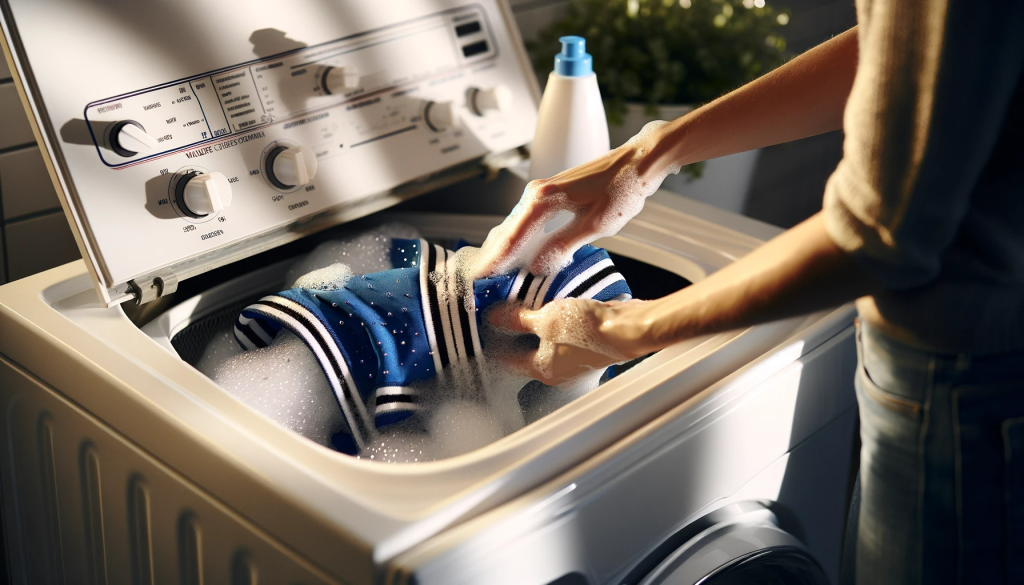
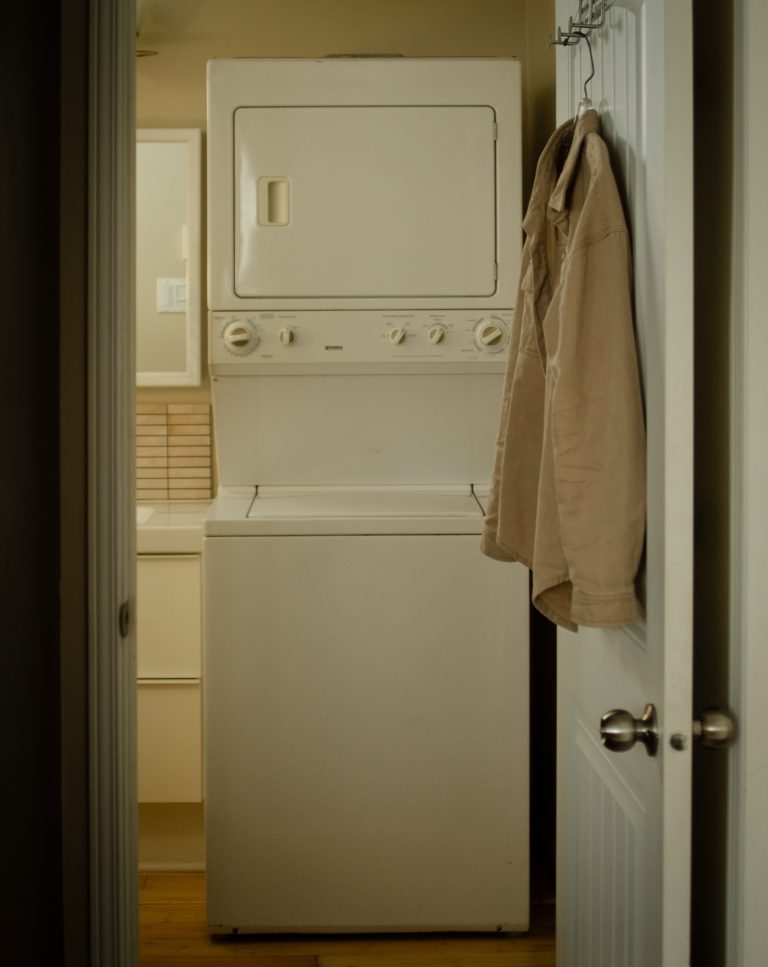
Before tackling any washing machine repairs, safety is paramount, especially for DIY enthusiasts. Always unplug the machine and wear protective gear, but for more complex issues, consider enlisting help. If you’re looking for reliable appliance parts or accessories to aid your repairs, check out inktasticmerch.com for a wide selection.
<div id="blog-articlecontent” class=”blog-articlecontent”>
Safety Precautions for Washing Machine Repair
Before embarking on any washing machine repair, it’s crucial to prioritize safety. As a DIY enthusiast, you may not possess the same training as a certified technician, so extra caution is warranted. Always ensure the washing machine is completely unplugged from the power source before attempting to access or touch any internal components. This applies even to seemingly minor tasks, such as clearing a blockage in the drain hose.
- Seek Assistance: For larger or more complex repairs, enlisting the help of another person is highly recommended. Washing machines are exceptionally heavy, and attempting to move or manipulate them alone can lead to serious injury or damage to the appliance.
- Wear Protective Gear: To safeguard yourself from potential hazards, wear appropriate protective equipment. This includes sturdy gloves to protect your hands from sharp edges and potential contaminants, and safety glasses to shield your eyes from debris or splashes.
- Prepare Your Resources: Gather necessary information before you begin. This might involve taking a clear photograph of your washing machine’s model number and serial number, consulting the user manual for specific troubleshooting steps, or referencing reliable video tutorials for your particular model.
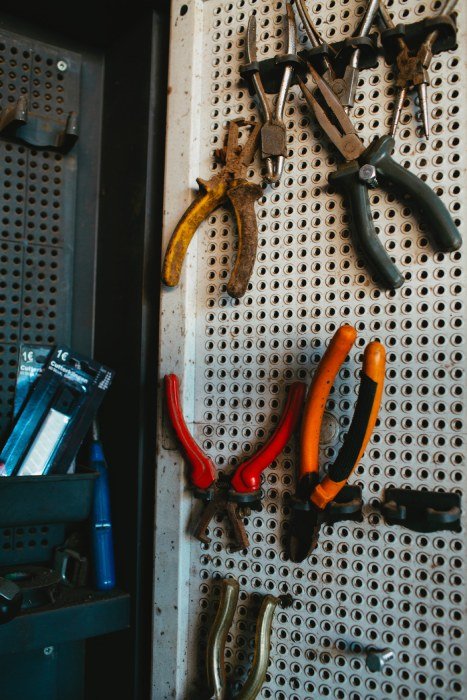
Troubleshooting a Washing Machine That Fails to Spin
Experiencing a washing machine that stops mid-cycle or refuses to engage the spin function is a common and frustrating issue. Several factors can contribute to this problem, and many can be resolved with simple checks.
Ensuring the Washing Machine is Level
Older washing machines were notorious for “walking” across the floor during vigorous spin cycles. Modern appliances, however, incorporate advanced safety features. One such feature is an automatic shut-off mechanism that activates if the machine detects it is not properly leveled. An unlevel washer can cause excessive vibration, which in turn triggers this safety feature, halting the spin cycle. Verify that your washing machine sits evenly on the floor. Most models have adjustable feet that can be twisted to compensate for uneven flooring. Alternatively, you can place a sturdy, level platform beneath the appliance.
Redistributing the Laundry Load
An imbalanced distribution of clothes within the drum is another frequent cause of spin cycle failure. When the weight of the laundry is unevenly distributed, the machine’s sensors can detect this imbalance, preventing the spin to avoid damage. For front-loading machines, open the door and carefully rearrange the items to achieve a more uniform distribution. For top-loading machines, try to spread the clothes around the agitator. Once you’ve adjusted the load, close the lid and attempt to restart the spin cycle. If the issue persists, repeat the redistribution process. Loads containing highly absorbent items like heavy towels, denim jeans, thick blankets, or bedding are particularly prone to becoming unbalanced. Consider removing a few of these heavier items and running the spin cycle again.
Inspecting the Drain Hose for Obstructions
Foreign objects such as coins, hairpins, or lint can accumulate and obstruct the drain hose, preventing water from being expelled effectively. This can, in turn, interfere with the spin cycle. Locate the drain hose, typically found at the rear of the washing machine, and trace its connection to the household plumbing. Carefully disconnect the hose and visually inspect its interior for any visible blockages. If you find an obstruction, gently remove it. Ensure the hose is not kinked or crushed, as this can also impede water flow.
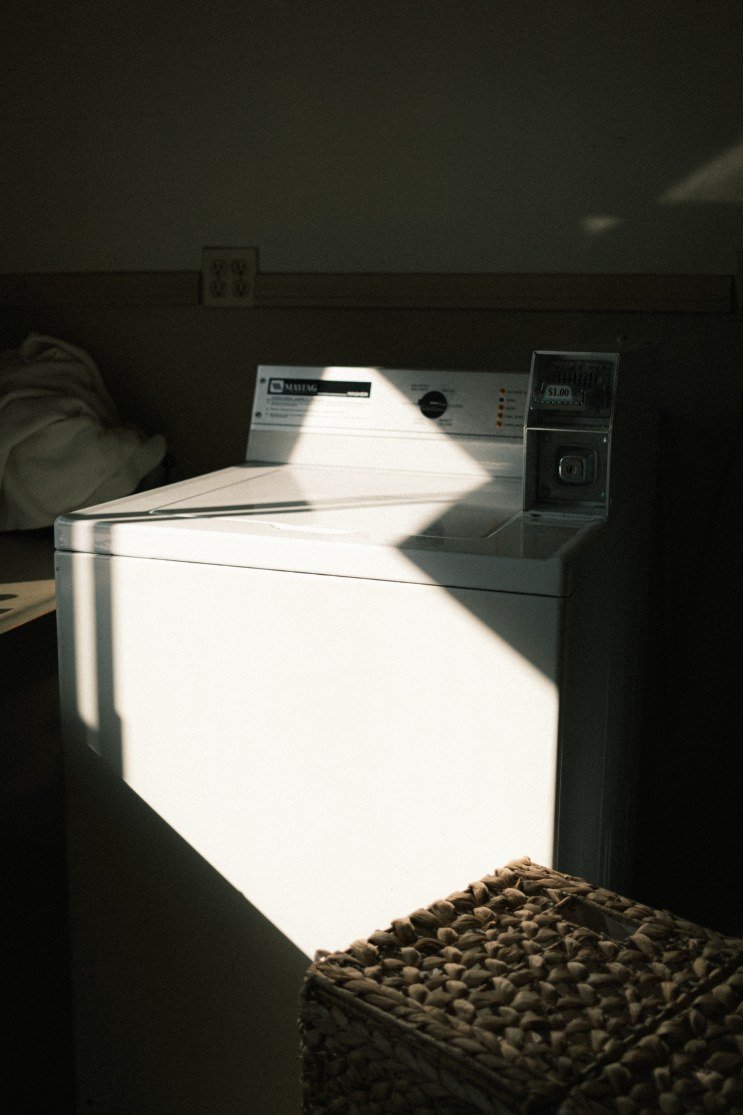
Resolving Excessive Noise from Your Washing Machine
While washing machines inherently produce some operational noise, unusually loud or jarring sounds can indicate an underlying problem. Investigating the source of these noises is essential for maintaining the appliance’s performance and longevity.
Clearing Foreign Objects from the Drum
A common source of metallic clicking or banging sounds during the wash or spin cycle is the presence of small items left in clothing pockets. Coins, keys, buttons, or other hard objects can become dislodged and strike the inside of the drum. Before starting a load, always thoroughly check all pockets. If you hear such noises, immediately pause the cycle, unplug the machine, and carefully inspect the drum for any foreign objects.
Lubricating or Replacing Tub Bearings
The tub bearings, located beneath the washing machine’s drum, are critical components that facilitate smooth rotation. Over time, these bearings can wear out, leading to increased friction and noise, often described as a grinding or rumbling sound. Lubricating the bearings with the appropriate type of grease, as specified in your washing machine’s manual, can sometimes resolve the issue. Common recommendations include silicone grease or turbine oil. If lubrication is ineffective or the bearings are severely worn, replacement may be necessary. This is a more involved repair that might require professional assistance.
Replacing the Motor Drive Belt
Many washing machines utilize a motor drive belt to transfer power from the motor to the drum and other components. If this belt becomes worn, frayed, or broken, it can produce loud squealing or thumping noises. A burning rubber smell often accompanies a failing drive belt. Replacing the motor drive belt is a significant repair that involves partially disassembling the washing machine. It is advisable to consult your user manual for specific instructions or seek professional help if you are not comfortable with this type of repair. Inspect the belt for any signs of damage, such as cracks or looseness, and replace it if necessary. Ensure the belt is correctly positioned on the motor pulley.
Troubleshooting a Washing Machine That Fails to Drain
Discovering that your washing machine has completed its cycle, only to find the drum still full of water, is a common and perplexing problem. Several potential issues could be preventing proper drainage.
Verifying the Drain Hose Integrity
The drain hose is the primary conduit for expelling water from the machine. A simple yet effective check is to ensure the hose is not kinked, crushed, or otherwise obstructed. Straighten any kinks and ensure the hose has a clear path to the drainpipe. If you suspect a clog within the hose itself, disconnect it from the machine (after unplugging it) and inspect for blockages. Small items or lint buildup can accumulate and impede water flow.
Checking the Drain Pump Inlet Tube
Often, the obstruction is not in the external drain hose but in the internal tube that connects the drum to the drain pump. To access this area, place a shallow pan or bucket beneath the drain pump to catch any residual water. Carefully unclamp and remove the tube. Inspect the opening for any debris, such as lint, small garments, or foreign objects, that might be lodged there. Pliers or careful manual removal can be used to clear any clogs. Remember to ensure the washing machine is unplugged before performing this step.
Confirming Correct Drain Hose Height
Washing machine manufacturers specify a required height range for the drain hose to ensure proper siphoning and drainage. If the hose is positioned too low, water may continuously drain out (siphoning effect), and if it’s too high, the pump may struggle to expel the water effectively. Consult your washing machine’s user manual for the recommended drain pipe height specifications. For example, some Maytag models require the drain pipe to be between 39 and 96 inches from the floor. Adjust the hose’s position accordingly to meet these requirements.
Addressing Leaks from Your Washing Machine
Discovering a puddle of water around your washing machine is a clear indication of a leak. Identifying the source and implementing a fix is essential to prevent water damage and further appliance issues.
Inspecting the Door Seal (Gasket)
For front-loading washing machines, a common cause of water leakage is a damaged or worn door gasket, also known as a seal. This rubber component sits between the inner drum and the outer door. Carefully examine the gasket for any tears, cracks, or signs of deterioration. If damage is evident, the gasket will need to be replaced. Excessive use of detergent can also contribute to leaks, particularly in front-loaders, by creating an overflow of suds that can escape the drum. If you notice an unusual amount of foam around the door, reduce the detergent dosage and consider running a cleaning cycle to remove any existing residue.
Checking All Hoses for Secure Connections
Both the water inlet hoses (which supply water to the machine) and the drain hose can be sources of leaks if they are not properly secured. Ensure that all hose connections are tight and that clamps, if present, are securely fastened. Loose connections can allow water to escape during operation. Visually inspect all hoses for any signs of wear, cracking, or damage, and replace any compromised hoses immediately.
When to Call a Professional Appliance Repair Technician
While many common washing machine issues can be addressed with DIY troubleshooting, certain problems necessitate the expertise of a professional. If your washing machine’s drum is cracked, for instance, it will likely result in significant water leakage and requires specialized repair or replacement. Similarly, substantial damage to the drain hose or pump may be beyond the scope of a simple fix and could require professional intervention.
Furthermore, component replacement, especially for internal parts, often involves disassembling large sections of the washing machine. This process can be complex and potentially risky for individuals unfamiliar with the appliance’s inner workings. Specialized tools or specific technical knowledge might be required for certain replacements, such as motor or transmission components. In these situations, engaging a qualified repair technician ensures the job is done safely and correctly, preventing further damage to the appliance.
Managing Laundry When Your Washing Machine is Out of Order
A malfunctioning washing machine, whether it’s failing to agitate, experiencing issues with the water inlet valve, or requiring a drain line cleaning, leaves you with a growing pile of laundry. Hand-washing an entire load can be an arduous and time-consuming task. Fortunately, there are convenient solutions available to keep your clothes clean even when your primary appliance is out of commission.
Consider utilizing professional laundry services. Companies specializing in washing, drying, and folding offer a practical alternative. By scheduling a pickup through their app or a simple text message, you can have your laundry collected, expertly cleaned according to fabric requirements, and returned to your doorstep, freshly folded. This service ensures your clothes remain spotless and well-cared for, alleviating the stress associated with a broken washing machine. Many services also offer specialized care for dry-clean-only items, ensuring your delicate or special occasion garments are handled appropriately.
We hope this guide empowers you to tackle common washing machine problems with confidence, and for more helpful tips and tricks, be sure to explore the rest of our Blog.