Master the art of ironing clothes with our 7 essential tips and tricks, ensuring your garments always look their best. From perfectly pressed shirts to crisp pants, learn techniques to tackle wrinkles with ease and maintain a polished appearance. Visit InktasticMerch for more wardrobe care advice.
<div id="blog-articlecontent” class=”blog-articlecontent”>
How to Iron Clothing
To properly maintain your wardrobe and ensure you always present a polished appearance, learning to iron effectively is essential. Wrinkles can detract from even the most stylish outfit, but with the right techniques, they can be easily avoided. Before you begin, ensure you have the following items readily available:
- An iron, filled with water for steam functionality.
- A stable ironing board.
- A spray bottle filled with water for dampening stubborn creases.
Shirts
- Begin by laying your shirt flat on the ironing board without stretching the fabric. This ensures an even surface for pressing.
- Start with the cuff of the shirt. Apply the iron and move it upwards towards the shoulder. It’s acceptable for the sleeves to hang off the board as you work on the central parts of the shirt. Utilize the pointed tip of the iron to navigate around buttons precisely.
- Continue rotating the shirt on the board, working from the center outwards to the back, always ironing in a side-to-side motion.
- Pay close attention to the collar, ironing both the top and underside thoroughly.
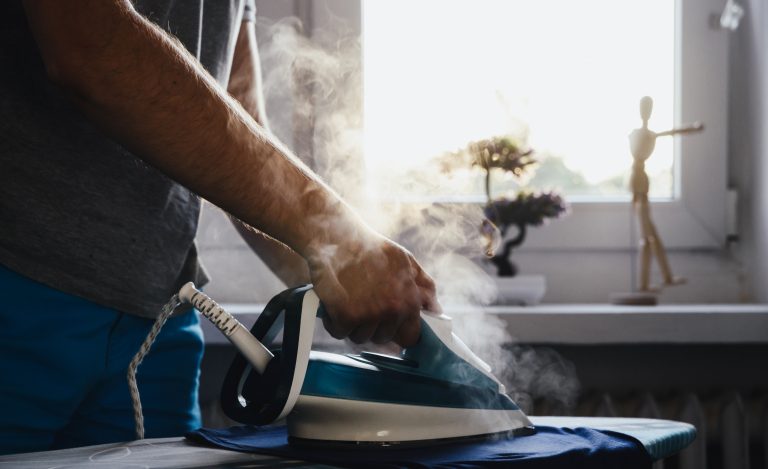
- For persistent wrinkles that don’t yield to initial pressing, engage your iron’s steam function. The steam will help relax the fabric fibers, making it easier to smooth out the crease. Follow up with gentle pressure from the iron.
Pants
- Position your pants on the ironing board, starting at the ankle. Glide the iron from the bottom upwards, covering both the front and back of the leg.
- Work on one pant leg at a time, employing a smooth, circular, or slightly wiggling motion to ensure even heat distribution.
- If your pants feature creases, carefully fold them along these lines and press the iron over them to sharpen the fold.
Dresses
- Before ironing, inspect your dress for any components that may be sensitive to heat, such as embellishments, belts, or certain fabric types. Remove any such items if possible to prevent damage.
- Begin with the collar, using a consistent side-to-side technique to eliminate wrinkles effectively.
- Address any loose flaps or ruffles on the reverse edges next, followed by ironing the shoulder areas and sleeves.
- Finally, focus on the main body of the dress, starting from the top and working your way down, ensuring all wrinkles are smoothed out.
Best Iron Temperature Settings for Each Fabric
Selecting the correct iron temperature is crucial for effective ironing and preventing fabric damage. While garment care labels are the ultimate authority, understanding the general requirements for common fabrics can guide your settings.
Low Temperature
- Silk: This luxurious fabric requires a gentle approach. Always turn silk garments inside out and use the lowest heat setting available. Steaming is often preferable to ironing silk; if ironing is necessary, avoid prolonged contact with the iron to prevent scorching.
- Acetate: Similar to silk, acetate is a delicate synthetic fabric. Iron it inside out on the lowest heat setting.
- Polyester: While some polyesters can tolerate medium heat, it’s safer to opt for a low setting to avoid potential melting or sheen.
- Lace: Treat lace with the same care as silk. Use low heat and consider ironing inside out or over a padded surface to protect its delicate structure.
- Rayon: This semi-synthetic fabric is also sensitive to heat. Iron rayon garments inside out on a low heat setting, and consider using a pressing cloth.
Medium Temperature
- Wool: Wool should never be ironed directly. Instead, place a damp cloth or a pressing cloth between the iron and the wool. Use moderate pressure, and avoid over-pressing, which can flatten the fibers and create a shine.
High Temperature
- Linen: Linen wrinkles easily and benefits from ironing while slightly damp. Use a high heat setting for best results, pressing firmly to smooth out creases.
- Cotton: Cotton is a durable natural fiber that often requires higher heat and a bit more effort to de-wrinkle. Dampening cotton garments with a spray bottle before ironing can significantly ease the process. It is generally safe to apply firm pressure when ironing cotton.
The Benefits of Ironing Your Clothes
Beyond simply removing visible wrinkles, ironing offers several advantages that contribute to the longevity and appearance of your clothing. A crisp, unwrinkled appearance significantly enhances your overall presentation, making a positive first impression in both professional and social settings.
Ironing also plays a role in fabric preservation. The heat and steam from an iron help to relax and reset the fibers of your clothes, allowing them to return to their original shape. This process can extend the lifespan of your garments, keeping them looking newer for longer.
Furthermore, the steam generated during ironing has hygienic benefits. It can help to eliminate certain bacteria, mold spores, and lingering odors embedded in the fabric, contributing to fresher-smelling and cleaner clothes.
Contrary to a common misconception, the heat from an iron does not typically cause shrinkage. In fact, when used correctly, ironing can help to smooth and slightly stretch fabrics, enhancing their crispness and contributing to a wrinkle-free finish.
Ironing Tips & Tricks
- Pre-treat Stains: Always inspect your garments for stains before ironing. Applying heat can set stains, making them much harder, if not impossible, to remove later. Address stains before ironing.
- Verify Temperature Settings: Modern irons offer various heat settings, and garment care labels provide specific instructions. Always confirm the recommended temperature for the fabric you are ironing to prevent damage, such as melting or scorching.
- Iron Pockets Inside Out: To avoid imprinting the outline of pockets onto the exterior of your garment, turn them inside out before ironing the surrounding fabric.
- Ensure a Clean Iron Soleplate: Before you begin, check the soleplate of your iron for any dirt, residue, or starch buildup. Cleaning the iron prevents transferring unwanted marks onto your clothes.
- Press Pant Seams for Sharp Creases: For a professional look on trousers, align the inseam and outseam of each leg. Lay the pant leg flat on the ironing board, ensuring the crease is aligned. Apply firm pressure along the seam to create a crisp, defined line.
- Iron Collars, Cuffs, and Hems from the Reverse: Begin by ironing the underside of shirt collars, cuffs, and pant hems. This technique helps to prevent a puckered or uneven appearance, especially on structured elements.
- Drain the Iron After Use: After you have finished ironing, empty any remaining water from the iron’s reservoir. This practice helps prevent the buildup of mineral deposits (like calcium), which can clog the steam vents and potentially stain your clothes.
Ironing FAQs
What fabrics should not be ironed?
Certain materials and embellishments are not suitable for ironing. These include items with sequins, velvet, heat-sensitive decals, or intricate printed designs that can melt or be damaged by direct heat. Additionally, avoid ironing clothes that are visibly dirty or stained, as the heat can permanently set the stain into the fabric.
How to use the steam setting?
The steam setting is ideal for adding moisture to fabrics, which is particularly effective for tackling stubborn wrinkles or for garments that are not already damp. The combination of heat and steam helps to relax fibers, making them easier to press smooth.
How do you prevent burn marks on clothes?
Burn marks often result from a dirty iron or excessively high heat. Ensure your iron’s soleplate is clean; a mixture of baking soda and vinegar can be used for cleaning, followed by a thorough wipe-down with a damp cloth. Always use the correct temperature setting for the fabric type, and avoid leaving the iron stationary on the fabric for extended periods.
With these essential tips, you’re well on your way to mastering the art of ironing and keeping your wardrobe looking its best. For more helpful guides and articles on maintaining your clothes, explore our Blog.