When tackling stubborn stains or aiming for brighter whites, understanding the nuances between chlorine and non-chlorine bleach is key to effective laundry care. From preserving colors to gently lifting grime, the right bleach makes all the difference, and for a wider selection of garment care solutions, explore InktasticMerch.
Types of Bleach and Their Uses
When considering bleach for cleaning purposes, two primary types are relevant: chlorine bleach (chemically known as sodium hypochlorite bleach) and non-chlorine bleach (commonly referred to as oxygen bleach).
Sodium Hypochlorite Bleach
This is the more commonly recognized form of bleach, with sodium hypochlorite as its active ingredient. Its primary function is to whiten whites and effectively remove stubborn stains. However, due to its potent bleaching action, it is unsuitable for colored fabrics as it will strip their color. Therefore, extreme caution is advised when using this type of bleach on clothing. It is a more aggressive cleaning agent compared to oxygen-based alternatives.
Chlorine bleach is typically sold with a concentration of 4-6% sodium hypochlorite. It is crucial to dilute this bleach with water before application. Always consult the garment’s care label for specific washing instructions before introducing bleach into the cleaning process.
<img class="filer_image
" alt="unnamed file" loading="lazy" src="https://inktasticmerch.com/wp-content/uploads/2025/12/96424d87-761c-4ea6-bb38-ae9d3d22fbf5-jpg324x600_q85_crop_subsampling-2_upscale.jpg” title=”96424d87-761c-4ea6-bb38-ae9d3d22fbf5-jpg324x600_q85_crop_subsampling-2_upscale”>
Oxygen Bleach
Also known as non-chlorine bleach, peroxide bleach, color-safe bleach, or all-fabric bleach, this type is generally gentler on fabrics. It is suitable for removing stains from both colored and white garments. The active components in these products are typically hydrogen peroxide, sodium percarbonate, or sodium perborate.
Bleach, in its various forms, serves a dual purpose as both a cleaning agent and a stain remover. It excels at brightening fabrics, making white garments appear exceptionally vibrant. This versatility contributes to its widespread use in household laundry routines.
The subsequent sections will delve into the practical application of bleach for stain removal, its integration into the laundry process, and specific techniques for bleaching both white and colored clothing.
<img class="filer_image
" alt="unnamed file" loading="lazy" src="https://inktasticmerch.com/wp-content/uploads/2025/12/3d648520-5902-42c0-bc18-1c3d80d25cbf-png600x600_crop_subsampling-2_upscale.png” title=”3d648520-5902-42c0-bc18-1c3d80d25cbf-png600x600_crop_subsampling-2_upscale”>
How to Dilute Bleach
Given that commercially available chlorine bleach possesses a high concentration, dilution is a mandatory step before its use. Never apply undiluted bleach. It is always advisable to adhere to the dilution instructions provided on the bleach packaging or container.
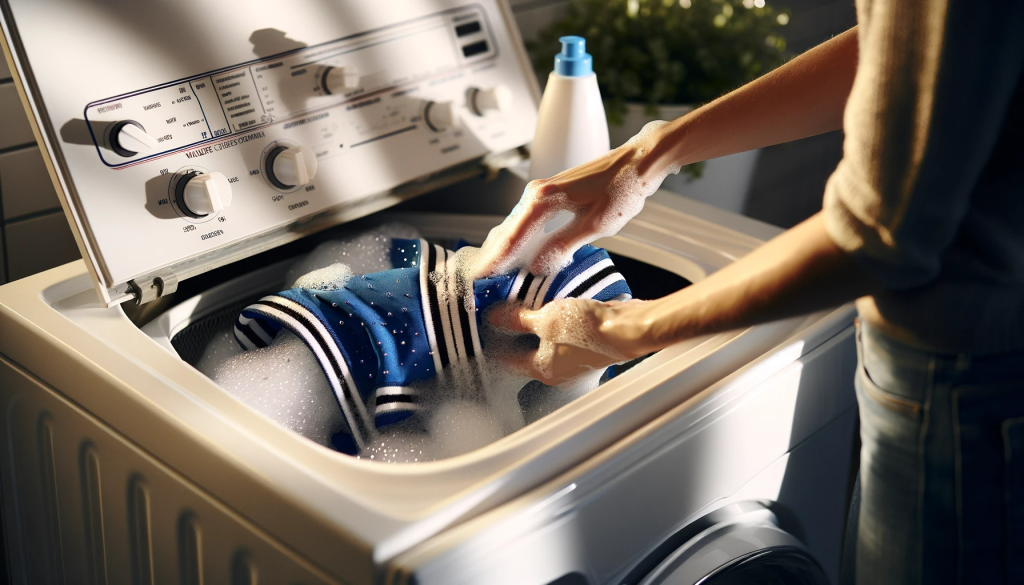
For washing machines lacking a dedicated bleach dispenser, the optimal method is to add the diluted bleach to the water as the machine fills, prior to introducing the clothing. Alternatively, you can introduce the bleach approximately five minutes after the wash cycle has commenced. In this scenario, dilute the recommended amount of bleach with a quart of water. For lightly soiled items and smaller loads, a half-cup of bleach is generally sufficient. For heavily soiled garments and larger loads, increase the quantity to two-thirds of a cup.
Factors that may necessitate an increase in the standard bleach quantity include a higher degree of soiling on the clothes, larger wash loads, and the presence of hard water. If your washing machine is equipped with a bleach dispenser, manual adjustment of bleach quantity based on soil level can be challenging. In such cases, fill the dispenser to its designated fill line and consider processing heavily soiled laundry in smaller, more manageable loads.
<img class="filer_image
" alt="unnamed file" loading="lazy" src="https://inktasticmerch.com/wp-content/uploads/2025/12/f50b7a83-e74f-4d30-b48a-086348063beb-jpg986x653_q85_crop_subsampling-2_upscale.jpg” title=”f50b7a83-e74f-4d30-b48a-086348063beb-jpg986x653_q85_crop_subsampling-2_upscale”>
10 Tips For Using Bleach in Laundry
Below are ten practical, safe, and expert-backed tips to help you maximize the benefits of using bleach in your laundry routine. These guidelines cover proper washing techniques, effective use of detergent with bleach, and essential pre-treatment steps like colorfastness testing.
1. Dilute bleach properly
Always follow the specific dilution instructions provided on the bleach container. As a general guideline for a standard laundry load, use approximately half a cup of bleach. It is recommended to use bleach in conjunction with your regular laundry detergent, and avoid mixing it with other cleaning agents.
2. Use bleach in specific wash cycles
It is crucial to separate white and colored clothing and process them in distinct wash cycles. Never pour undiluted bleach directly onto fabrics, as this can lead to unsightly splotches and permanent discoloration.
3. Read clothing labels
Prior to using bleach, meticulously examine the care labels on your garments to ensure they are bleach-compatible. Fabrics such as wool and silk are generally not designed to withstand bleach treatment. Additionally, refer to the bleach manufacturer’s instructions for recommended usage guidelines.
4. Test for colorfastness
Before applying bleach to any fabric, it is highly recommended to perform a colorfastness test. Dilute a small amount of bleach with water and apply it to an inconspicuous area of the garment. Allow it to sit for at least 30 minutes. If no adverse color changes or damage occur, it is generally safe to proceed with bleaching the entire garment.
5. Never mix bleach with other products
With the exception of standard laundry detergent, it is generally unsafe to mix bleach with other household products, particularly those containing ammonia or vinegar. Such combinations can generate hazardous toxic fumes, posing a significant risk to your health. Furthermore, avoid mixing chlorine and non-chlorine bleach varieties, as the chlorine bleach can neutralize the effectiveness of the non-chlorine bleach, rendering the treatment ineffective.
6. Follow recommended soaking times
If you opt to soak clothes in a bleach solution, adhere strictly to the recommended soaking duration. Exceeding these time limits can weaken and potentially damage the fabric fibers.
7. Protect your skin and eyes
Especially when using bleach for the first time or trying a new product, it is imperative to protect your skin and eyes. Wear protective gloves and safety goggles while handling bleach. In the event of accidental eye contact, flush the eyes immediately and thoroughly with copious amounts of water.
8. Ensure proper ventilation
Always maintain adequate ventilation in your laundry area by opening windows and doors to allow for a constant supply of fresh air. This is essential when working with bleach.
9. Rinse thoroughly
After using bleach, ensure that the treated area and the clothes are rinsed thoroughly to eliminate any residual bleach. Proper rinsing is crucial for maintaining the longevity of your garments and preventing potential damage from lingering chemicals.
10. Clean the washing machine
Following the use of bleach, it is advisable to clean your washing machine to remove any remaining bleach residue. A subsequent rinse cycle with a mixture of vinegar and water can further help to deodorize the machine and ensure it is free from any lingering bleach odors.
<img class="filer_image
" alt="unnamed file" loading="lazy" src="https://inktasticmerch.com/wp-content/uploads/2025/12/adebd38e-15e4-4bb7-8ae1-80aa050e121f-jpg492x328_q85_crop_subsampling-2_upscale.jpg” title=”adebd38e-15e4-4bb7-8ae1-80aa050e121f-jpg492x328_q85_crop_subsampling-2_upscale”>
Expert Laundry Care Considerations
Effective laundry care encompasses several key practices, including meticulous sorting of clothes, careful attention to care labels, selection of appropriate cleaning agents, and proactive pre-treatment of stains.
Adhering to washing care labels and selecting the correct water temperature are equally vital, as are the chosen wash cycle settings and the number of cycles performed. Cold water is generally more beneficial for darker colors as it helps to preserve their vibrancy. Drying methods should also align with the instructions specified on the garment’s care label. For ironing, it is often best to iron clothes while they are still slightly damp.
Rinse is a professional laundry and dry cleaning service with extensive experience in garment care, including specialized stain removal techniques. They are particularly adept at addressing issues like color bleeding, which can occur with direct dyes that are not fiber-reactive.
The professionals at Rinse possess a deep understanding of garment care and can interpret the nuances of clothing care labels to implement the correct washing and drying methods. This ensures that your garments receive the standard of care expected from a professional cleaning service, recognizing that certain items require particularly delicate treatment.
Accessing Rinse’s services is straightforward; you can schedule a pickup via their website, mobile application, or SMS. A dedicated Valet will collect your clothing from your home or office and return it once cleaned. You have the flexibility to include specific instructions with your order, which will be diligently followed.
Whether your needs involve dry cleaning, wash and fold services, or hang-drying, Rinse offers comprehensive solutions. Additionally, new customers can benefit from a $20 discount on their first order.
Contact Rinse today to experience their professional expertise firsthand.
Image Source: Church & Dwight Co., Inc., The Clorox Company
For more insightful guides and tips on maintaining your wardrobe, explore our comprehensive Blog.