
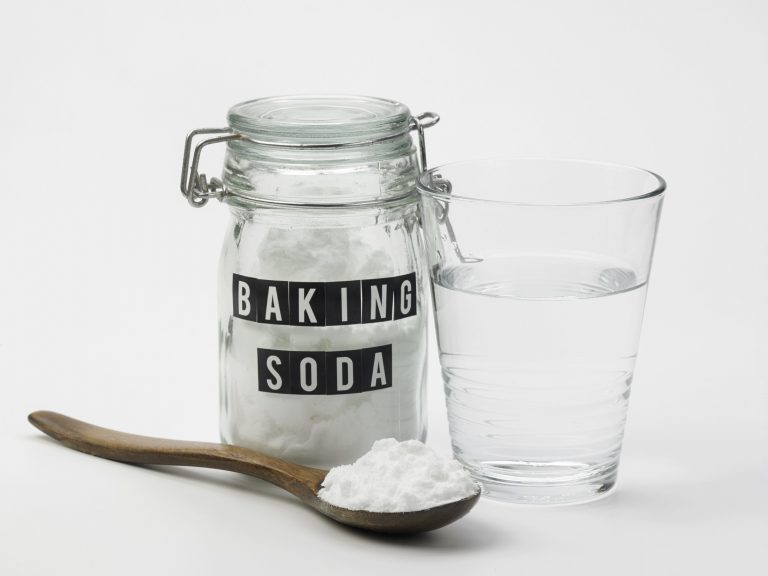
Discover effective and eco-friendly ways to keep your laundry fresh and clean without harsh chemicals. Learn how everyday pantry staples like baking soda and vinegar can work wonders, and explore other natural alternatives to boost your cleaning power, all available through products at inktasticmerch.com.
6 Eco-Friendly & Natural Laundry Detergent Alternatives to Try
After extensive research regarding sustainable and eco-friendly laundry detergents, we have cherry-picked 6 of the most useful items for you:
1. Baking Soda + Vinegar
You might be surprised to discover that an excellent laundry detergent can be found right in your pantry. While it may seem old-fashioned, baking soda offers remarkable benefits for your laundry, enhancing both cleanliness and brightness.
Baking soda, chemically known as sodium bicarbonate, is a natural salt that effectively neutralizes odors and imparts a luminous appearance to fabrics. Unlike scented detergents that merely mask odors with synthetic chemicals, baking soda eliminates them by altering the pH of the wash water. It creates a highly alkaline environment that neutralizes the acidic compounds responsible for bad smells. Additionally, baking soda possesses the ability to absorb oils from clothing, which are also a common source of unpleasant odors.
When combined with vinegar, baking soda becomes an even more potent stain remover and also serves as an effective fabric softener. Baking soda also softens hard water, which can improve detergent performance, and acts as an antiseptic, inhibiting bacterial growth on clothes.
How to use it?
Add ½ cup of distilled white vinegar and 1 cup of baking soda to a laundry load in your washing machine. For targeted treatment of stains, you can also sprinkle baking soda directly onto soiled areas before starting the wash cycle.
Some precautions:
Avoid using baking soda with wool and silk garments, as its alkaline nature can potentially damage these delicate fibers.
<img class="filer_image" alt="baking soda and vinegar" loading="lazy" src="https://inktasticmerch.com/wp-content/uploads/2025/12/baking_sodavinegar-jpg3805x2856_q85_crop_subsampling-2_upscale.jpg” title=”baking_sodavinegar-jpg3805x2856_q85_crop_subsampling-2_upscale”>
2. Baking Soda + Lemon Juice
Another sustainable approach to laundry involves utilizing the combined power of baking soda and lemon juice as a natural detergent alternative.
While often associated with culinary creations like cookies, cocktails, and cakes, baking soda and lemon juice form an exceptionally effective and eco-friendly combination for laundry. Lemon juice is a potent natural antibacterial agent, and its refreshing citrus scent leaves clothes smelling wonderfully fresh. Its powerful cleaning properties can rival those of many commercial detergents.
Baking soda complements lemon juice by being highly effective at lifting stubborn stains from fabrics and eliminating unpleasant odors. An interesting application of this duo is its ability to help extract insect venom from clothing. Furthermore, lemon juice can also be repurposed as a natural detergent for dishwashing.
How to use it?
Add 1 cup of baking soda directly into the washing machine drum. Then, squeeze the juice of 2-3 lemons (approximately ½ cup) into the drum as well, before setting your desired wash cycle. The precise quantities may need adjustment based on the size of your laundry load.
Some precautions:
Similar to the vinegar combination, refrain from using baking soda with wool and silk fabrics, as it can cause damage.
<img class="filer_image" alt="lemon juice" loading="lazy" src="https://inktasticmerch.com/wp-content/uploads/2025/12/precious-plastic-melbourne-n5qirfae6rq-unsplash_1-jpg2419x1814_q85_crop_subsampling-2_upscale.jpg” title=”precious-plastic-melbourne-n5qirfae6rq-unsplash_1-jpg2419x1814_q85_crop_subsampling-2_upscale”>
3. Plain Vinegar
Plain white vinegar stands out as another proven natural laundry solution. Incorporating a small amount of vinegar into your wash cycle can yield impressive results for your laundry, whitening and brightening clothes without the need for harsh chemicals.
It offers a safe and sustainable alternative to conventional detergents, effectively softening fabrics and tackling tough stains. White vinegar is a prime example of a versatile homemade laundry detergent and also functions as an effective dishwashing liquid.
How to use it?
To revitalize discolored and dingy clothes, add 1 cup of distilled white vinegar to your wash load. The result will be garments that appear shiny, clean, and remarkably refreshed. Ensure you use only distilled white liquid vinegar, as it is free from harsh chemicals and dyes that could potentially harm fabrics.
For fabric softening, add ½ cup of vinegar during the final rinse cycle. The vinegar helps to break down detergent residue and body oils that can stiffen fabrics, leaving them exceptionally comfortable to wear.
Vinegar is compatible with a wide range of materials, including cotton, linen, and synthetic fibers.
Some precautions:
Avoid using vinegar with delicate fabrics like wool, silk, and other sensitive materials. It’s worth noting that the vinegar scent dissipates completely during the drying process, so you don’t need to worry about your clothes retaining a vinegary smell.
<img class="filer_image" alt="vinegar" loading="lazy" src="https://inktasticmerch.com/wp-content/uploads/2025/12/manki-kim-12kb5ynfxso-unsplash_1-jpg2954x1969_q85_crop_subsampling-2_upscale.jpg” title=”manki-kim-12kb5ynfxso-unsplash_1-jpg2954x1969_q85_crop_subsampling-2_upscale”>
4. Borax
While often recognized as a key ingredient in DIY slime recipes, Borax (sodium tetraborate) is also a highly effective natural alternative for laundry detergent.
Borax is a naturally occurring mineral that has been utilized globally for centuries. It appears as a soft, white powder that readily dissolves in water. Borax is notably alkaline, meaning it creates a highly basic solution when dissolved. This alkalinity is crucial for breaking down and lifting acidic stains from clothing.
How to use it?
Add ½ cup of Borax powder directly to your laundry load. Proceed with washing and drying your clothes as you normally would.
Some precautions:
Borax is not recommended for use on delicate or brightly colored fabrics, as it can potentially cause fading or damage. Additionally, Borax may cause skin irritation for individuals with sensitive skin. When adding the powder, do so carefully to minimize airborne dust. It is essential to store Borax out of reach of children.
<img class="filer_image" alt="borax" loading="lazy" src="https://inktasticmerch.com/wp-content/uploads/2025/12/borax-jpg2455x2000_q85_crop_subsampling-2_upscale.jpg” title=”borax-jpg2455x2000_q85_crop_subsampling-2_upscale”>
5. Natural Bar Soap
Natural bar soaps are a popular choice for individuals seeking to avoid harsh chemicals in their laundry and opt for sustainable detergent alternatives. These soaps are typically biodegradable and formulated without synthetic dyes or artificial fragrances.
You can easily find these soaps in most supermarkets, and they are generally quite affordable. Similar to conventional detergents, they produce lather that effectively lifts stains without harming fabric integrity. This category includes products ranging from soap nuts to traditional bar soaps made with ingredients like washing soda and various plant-based oils.
How to use it?
Begin by wetting the bar soap and then soaking it in warm water to help it dissolve. Add the dissolved soap directly to the detergent compartment of your washing machine. Your clothes will emerge spotlessly clean. Note that cold water may be less effective with natural bar soaps; opt for warm or hot water for optimal results.
Some precautions:
If laundry is not rinsed thoroughly, or if the washing machine produces excessive suds, clothes may feel itchy. To counteract this, you can add ½ cup of vinegar or lemon juice to the rinse cycle to help remove any soap residue.
<img class="filer_image" alt="bar soaps" loading="lazy" src="https://inktasticmerch.com/wp-content/uploads/2025/12/freestocks-dlzd4v2j9om-unsplash_1-jpg2924x1949_q85_crop_subsampling-2_upscale.jpg” title=”freestocks-dlzd4v2j9om-unsplash_1-jpg2924x1949_q85_crop_subsampling-2_upscale”>
6. Peroxide for Whites
Hydrogen peroxide, commonly found in brown bottles, serves as an excellent natural bleaching agent for white laundry.
As an oxidizing agent, it offers a more environmentally friendly alternative to potent bleaches like chlorine. This solution effectively removes stains, neutralizes odors, and disinfects fabrics while simultaneously brightening them.
How to use it?
Add 1 cup of hydrogen peroxide to your load of white garments and run your washer and dryer as usual.
Some notes:
The hydrogen peroxide typically available in stores and pharmacies is a 3% solution.
<img class="filer_image" alt="hydrogen peroxide" loading="lazy" src="https://inktasticmerch.com/wp-content/uploads/2025/12/hydrogen_peroxide-jpg2705x1804_q85_crop_subsampling-2_upscale.jpg” title=”hydrogen_peroxide-jpg2705x1804_q85_crop_subsampling-2_upscale”>
Other Ways to Make Laundry Sustainable
Adopting sustainable laundry practices extends beyond the choice of detergent. Here are additional eco-friendly tips to consider:
Invest in Energy-Efficient Washers and Dryers
Newer appliances with higher energy efficiency ratings represent a significant step towards greener laundry routines. Compared to older models, modern washers and dryers consume considerably less electricity and water, making them a more sustainable choice. This not only benefits the environment but also leads to reduced utility bills.
Furthermore, to complement sustainable washing habits, it’s beneficial to understand optimal washing frequencies for different types of clothing.
Minimize Extensive Ironing
While crisp, wrinkle-free clothes are desirable, ironing can be a time-consuming chore and contribute to higher energy consumption. To mitigate this, try hanging garments immediately after the wash cycle concludes. This practice helps prevent deep-set wrinkles, reducing the need for extensive ironing later.
Utilize Full Laundry Loads
Running full loads of laundry is a crucial aspect of sustainable practice. By maximizing the capacity of each wash cycle, you reduce the overall number of loads needed, thereby saving time, water, and energy. Additionally, operating your washing machine with a full load ensures it functions as intended, potentially minimizing wear and tear on the appliance. This approach offers benefits for your time, your clothes, and your appliances.
Choose Eco-Friendly Laundry Services
Opting for an eco-friendly laundry service can save you time and significantly reduce your environmental impact. Services that employ sustainable practices often utilize methods that conserve water and energy, and may use biodegradable cleaning agents. When selecting a service, inquire about their commitment to environmental responsibility and the types of products they use.
Ready to harness the cleaning power of nature in your laundry room? Explore more tips and tricks for a greener clean within our Blog.