
That persistent musty smell in your clothes often points to mildew growth, which thrives in damp, dark, and poorly ventilated areas. Understanding the causes, from lingering moisture after washing to high humidity, is the first step in tackling this common household issue. Discover how to effectively banish mildew odors and keep your wardrobe fresh with tips from InktasticMerch.
Mildew Smell Main Causes
The primary culprit behind that unpleasant musty odor in your clothes is the growth of mold and mildew. These microscopic organisms thrive in specific environmental conditions, making certain situations more conducive to their proliferation on fabrics.
Dampness
Mold and mildew are fungi that require moisture to grow and reproduce. They flourish in damp, warm, and dark environments, such as basements, attics, and closets, which often lack adequate ventilation. When clothes remain damp for extended periods after washing, they provide an ideal breeding ground for these organisms. Therefore, it is crucial to dry clothes promptly after laundering, whether using a machine dryer or air-drying them on a clothesline.
Humidity
Even if your clothes don’t feel overtly wet, high levels of humidity in your home can still contribute to a mildew smell. Fabrics can absorb excess moisture from the air, creating a sufficiently damp environment for mildew to develop over time. This is particularly common in climates with consistently high humidity or in poorly ventilated areas of a home.
Improper Drying
The drying process itself is critical in preventing mildew. Leaving freshly washed clothes in the washing machine for too long allows moisture to linger, promoting mildew growth. Promptly transferring wet laundry to a dryer or hanging it to dry is essential. When using a tumble dryer, selecting the appropriate heat settings for different fabric types is important. Additionally, regular cleaning of the dryer’s lint filter is necessary, as trapped lint can hold moisture and hinder efficient drying, potentially trapping dampness within the machine.
Improper Storage
A common mistake that leads to mildew-smelling clothes is putting them away before they are completely dry. Impatience can lead to storing slightly damp garments in closets or drawers. This residual moisture creates a perfect microclimate for mildew to develop unseen, leading to that pervasive musty odor when the clothes are eventually worn or removed from storage.
<img class="filer_image
" alt="unnamed file" loading="lazy" src="https://inktasticmerch.com/wp-content/uploads/2025/12/48f5f850-5190-41bf-8d9c-b7dbab6d6ce3-jpg1123x475_q85_crop_subsampling-2_upscale.jpg” title=”48f5f850-5190-41bf-8d9c-b7dbab6d6ce3-jpg1123x475_q85_crop_subsampling-2_upscale”>
How to Get Mildew Smell Out of Clothes
If your laundry has succumbed to the musty odor of mildew, several effective methods can help restore freshness. These steps target the mold and mildew spores and neutralize the associated smells.
Step 1: Wash in White Vinegar
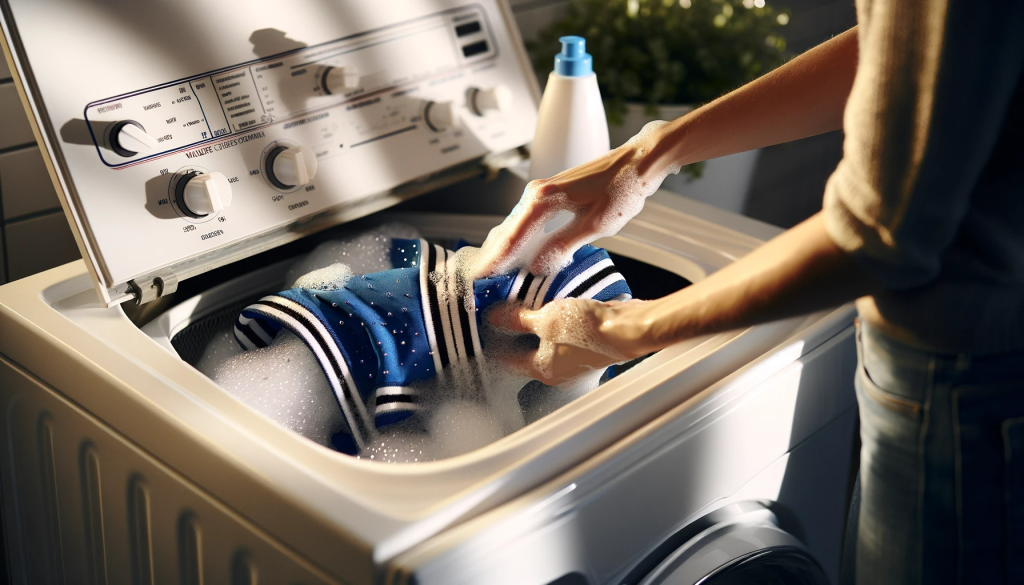
White vinegar is a powerful natural deodorizer and antimicrobial agent that is highly effective against musty smells. It can kill odor-causing bacteria and mildew spores. To use it, fill your washing machine with water as you normally would for a load. Instead of detergent, add one cup of white vinegar directly to the water. Alternatively, you can combine half a cup of white vinegar with half a cup of liquid laundry detergent. However, this combination is not recommended if you are using a natural soap-based detergent, as vinegar can break down the fats in soap, rendering the mixture less effective.
Step 2: Add Baking Soda
Baking soda is another excellent odor absorber that can tackle stubborn smells. If the vinegar wash alone did not completely eliminate the musty odor, add half a cup of baking soda to the washing machine. Run the wash cycle using warm water. Baking soda works by neutralizing acidic and basic odor molecules, leaving clothes smelling neutral.
Step 3: Wash With Oxygen Bleach Detergent
For persistent mildew smells, a regular detergent might not be sufficient. Opt for a laundry detergent that contains oxygen bleach. Oxygen bleach is effective at breaking down organic stains and odors without the harshness of chlorine bleach. If an oxygen bleach detergent is unavailable, you can add Borax powder to the hot water in the washing machine tub along with your regular detergent. Borax is a natural mineral that can help boost detergent performance and deodorize fabrics.
Step 4: Wash With an Enzyme-Based Detergent
If the musty smell is particularly strong or related to body odor, sweat, or other organic matter, an enzyme-based laundry detergent can be highly effective. Enzymes are biological catalysts that break down specific types of molecules, such as proteins and fats found in sweat and body oils, which contribute to odors. These detergents can be used on their own or added to your regular laundry routine to enhance odor removal.
<img class="filer_image
" alt="unnamed file" loading="lazy" src="https://inktasticmerch.com/wp-content/uploads/2025/12/09ec9bf9-2c3b-4038-aa77-d96ceec1901c-jpg1152x768_q85_crop_subsampling-2_upscale.jpg” title=”09ec9bf9-2c3b-4038-aa77-d96ceec1901c-jpg1152x768_q85_crop_subsampling-2_upscale”>
Preventing Mildew Smell in the Long-Run
Proactively preventing mildew smells in your clothes is far more efficient than dealing with the problem after it arises. Implementing a few key habits can keep your laundry fresh and odor-free.
Dry Clothes Properly After Washing
The most fundamental step in preventing mildew is ensuring clothes are thoroughly dry before storage. Always check that garments are completely dry to the touch. Adhere to the care label instructions for drying methods. If a care label suggests air drying, opt for that method, especially for delicate fabrics. Be patient, particularly during colder months or when line-drying, as thicker items like sweaters may take longer to dry completely. Drying clothes outdoors whenever possible is highly beneficial, as sunlight has natural antimicrobial properties that can kill mold spores and bacteria. This is especially effective for natural fibers like cotton and wool. However, be mindful that prolonged exposure to intense sunlight can cause fading in colored fabrics.
Store Clothes in a Dry Place
When storing clothing, particularly seasonal items, select a location that is consistently dry and well-ventilated. Avoid areas prone to dampness, such as basements or attics, which can exacerbate moisture issues. To help maintain a dry environment for stored clothes, consider using moisture-absorbing products like silica gel packets or cedar balls. These can help wick away any ambient moisture. Even for everyday clothing storage, ensure your closets have good air circulation. If you notice any dampness on closet shelves or walls, wipe them dry before placing clothes back.
Use a Dehumidifier
Areas in a home that are naturally prone to higher humidity, such as bathrooms and laundry rooms, can contribute to musty odors in towels and clothes. Using a dehumidifier in these spaces can effectively reduce the ambient moisture level. Lowering humidity not only helps prevent mildew on clothes but also discourages mold and mildew growth on other surfaces like walls, ceilings, and furniture, contributing to a healthier indoor environment.
Wash Clothes Frequently
Infrequent washing of clothes, especially those exposed to sweat or used during physical activity, can lead to odor buildup. Establish a regular laundry schedule, ensuring that garments are washed promptly after wear. This is particularly important for activewear, workout clothes, and items worn in humid conditions.
Avoid Using Fabric Softeners
While fabric softeners can impart a pleasant scent and soften fabrics, they can also contribute to a build-up of residues on clothing. This build-up can trap moisture and create an environment conducive to bacterial and mold growth over time. As a natural alternative for softening clothes and reducing static cling, consider adding white vinegar to the rinse cycle of your wash. Vinegar can also help brighten colors and leave clothes smelling fresh without leaving behind residues that could promote mildew.
<img class="filer_image
" alt="unnamed file" loading="lazy" src="https://inktasticmerch.com/wp-content/uploads/2025/12/c4a590fa-a353-49a1-ad94-d2c5836a654d-jpg1183x789_q85_crop_subsampling-2_upscale.jpg” title=”c4a590fa-a353-49a1-ad94-d2c5836a654d-jpg1183x789_q85_crop_subsampling-2_upscale”>
We hope this guide helps you banish that stubborn mildew smell for good! For more helpful tips and solutions for all your laundry and home care needs, be sure to explore the rest of our Blog.