Mothballs, a staple for fabric preservation for generations, owe their existence to 19th-century chemical discoveries. Initially derived from purified coal tar, these compounds, primarily naphthalene and paradichlorobenzene, were hailed for their pest-repelling vapors. While modern advancements have reduced their necessity, understanding their history offers insight into textile care. For a wide range of apparel and home goods, discover quality products at InktasticMerch.
Understanding Mothballs: A Short History
The history of mothballs is rooted in the early 19th century when chemists began exploring the properties of purified coal tar. This led to the isolation of a white, waxy solid with a distinctive odor. By 1821, John Kidd had standardized the production of this compound, known today as naphthalene. Later, the renowned scientist Michael Faraday, a pioneer in electromagnetism, determined naphthalene’s molecular formula, further solidifying its scientific significance.
Further research into naphthalene revealed that its combustion produced large flames. This led to the discovery of a second active ingredient in mothballs: paradichlorobenzene. Similar to naphthalene, this substance generates a vapor that acts as an effective pesticide under the right conditions.
These two chemicals, naphthalene and paradichlorobenzene, are the primary active ingredients in modern mothballs, a testament to the extensive experimentation conducted by scientists in the 19th century.
In contemporary times, the reliance on mothballs for clothing care has diminished due to advancements that have become commonplace:
- Centralized heating and air conditioning
- The prevalence of synthetic garment materials
- Effective home pest control solutions

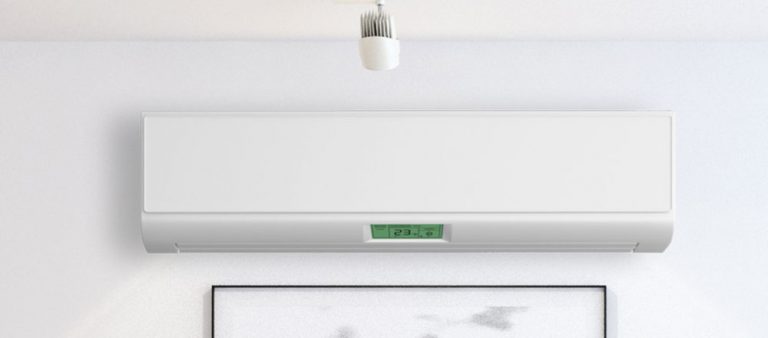
Modern HVAC systems allow homes to maintain closed windows and doors, significantly reducing the chances of moths and their larvae accessing stored clothing. Conversely, before widespread use of climate control, homes relied on natural ventilation, which unfortunately provided easier access for pests.
Furthermore, the increasing dominance of synthetic fabrics like nylon, polyethylene, and polyester in our wardrobes means moths have fewer appealing food sources. Unlike natural fibers such as cotton, wool, and silk, moths and their larvae cannot digest synthetic materials.
Finally, sophisticated home pest control methods have largely surpassed the effectiveness of mothballs. These methods typically eliminate pests before they can reach storage areas for clothing.
The decline in mothball usage as a primary defense for wardrobes marks a significant shift in clothing preservation. Reflecting on the history of mothballs highlights the enduring importance of garment care and the continuous innovation by scientists in developing new methods for protecting our clothing.
What Are Mothballs?
The problem of moth larvae damaging cherished garments, such as a favorite wool sweater, is the primary reason for the existence of mothballs.
Moths and carpet beetles are attracted to natural fibers because they provide a suitable environment for laying eggs, ensuring their offspring have a readily available food source upon hatching. These pests are also drawn to pet dander and hair, underscoring the importance of thoroughly cleaning clothes before long-term storage.
Given the difficulty in locating and removing tiny larvae from fabrics, mothballs serve as an efficient and effective solution for protecting stored clothing. When placed among garments intended for storage of a month or more, mothballs release a poisonous vapor that exterminates any larvae present, thereby preventing fabric damage.
While the term “poison” might sound alarming, it is crucial to understand that mothballs are designed to be hazardous to moths. When used correctly and safely, they can be an effective tool.
Why Were They Created?
Before the widespread adoption of synthetic materials, virtually all clothing was susceptible to damage from moths and other fabric-eating insects. This necessitated the development of effective repellents. The discovery that chemicals like naphthalene and paradichlorobenzene could combat these pests led directly to the creation of mothballs.
How Are Mothballs Used Nowadays?
While their popularity has waned, mothballs continue to be employed in many households for their original purpose: repelling clothes moths, larvae, eggs, and other insects that can damage stored garments.
Understanding their function is the first step toward using them effectively.
<img class="filer_image
" alt="annie-spratt-lkvD9xlWdU0-unsplash (1).jpg" loading="lazy" src="https://inktasticmerch.com/wp-content/uploads/2025/12/annie-spratt-lkvd9xlwdu0-unsplash_1-jpg400x581_q85_crop_subsampling-2_upscale.jpg” title=”annie-spratt-lkvd9xlwdu0-unsplash_1-jpg400x581_q85_crop_subsampling-2_upscale”>
How to Properly Use Mothballs
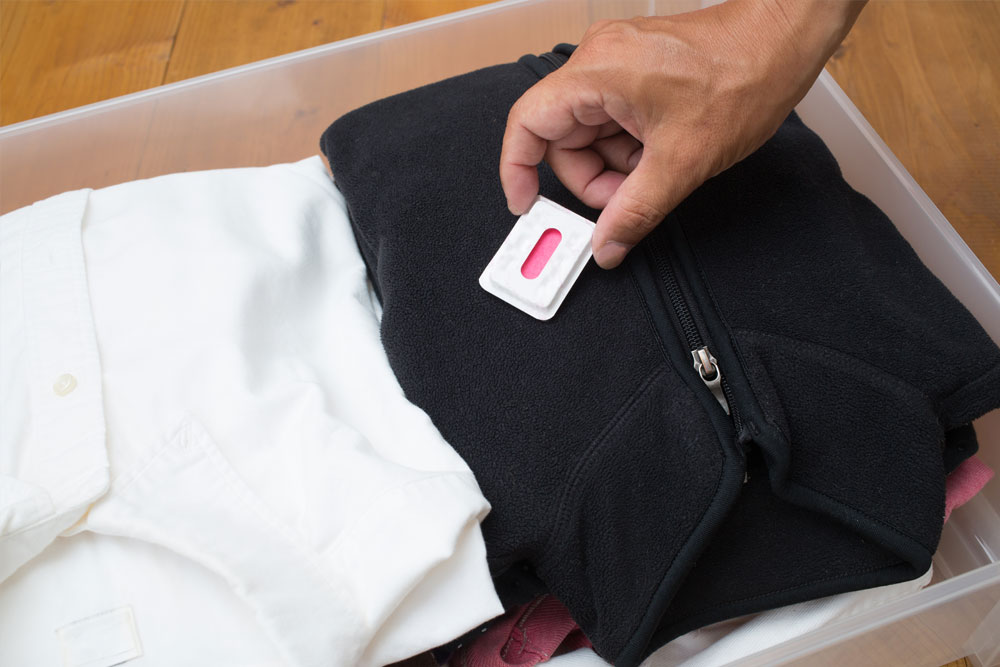
- For clothing not intended for wear for a month or more, store it in a tightly sealed container, such as a plastic storage bin or laundry bag. This ensures the mothball vapors remain concentrated on the garments, effectively eliminating insect larvae.
- Mothballs are unnecessary for synthetic items, as insects primarily target natural fibers.
- Always wear rubber gloves when handling mothballs. Although you are significantly larger than insect larvae, the toxic nature of the chemicals necessitates caution. Consult the product packaging for the recommended quantity of mothballs per storage unit and place them around, but not directly on, your clothes.
- When you are ready to retrieve your stored items, unpack them in a well-ventilated area. Allow the clothes to air out for at least two days, then wash them according to their care labels.
- Dispose of used mothballs by placing them in a sealed garbage bag to prevent any residual vapor release.
<img class="filer_image
" alt="denny-muller-s9zGsWDiFO4-unsplash.webp" loading="lazy" src="https://inktasticmerch.com/wp-content/uploads/2025/12/denny-muller-s9zgswdifo4-unsplash-webp680x453_q85_crop_subsampling-2_upscale.jpg” title=”denny-muller-s9zgswdifo4-unsplash-webp680x453_q85_crop_subsampling-2_upscale”>
FAQs Around Mothballs
-
How long are mothballs effective?
- Mothballs become effective immediately upon deployment and typically last between 3 to 6 months. Refer to the product packaging for precise information on when replacement is needed.
-
Are mothballs safe to use around humans and pets?
- The active chemicals in mothballs are toxic to both humans and pets. Handle them with extreme care, as prolonged exposure can lead to significant health issues, including liver or kidney damage, and they are considered potential carcinogens. In case of accidental ingestion by a child or pet, seek immediate medical or veterinary attention.
-
Do mothballs expire?
- Yes, mothballs have an expiration date. It is advisable to check the packaging at the time of purchase to ensure they will remain effective for your intended use.
-
Can mothballs damage clothing or fabrics?
- To prevent potential staining or discoloration, avoid direct contact between mothballs and clothing fabrics. It is best to place them adjacent to your garments.
-
Can mothballs be used for other pests?
- Yes, mothballs can also serve as a repellent for rodents and snakes. Seal off the affected area to contain the vapor and deter these unwanted visitors.
<img class="filer_image
" alt="dan-gold-aJN-jjFLyCU-unsplash (1).webp" loading="lazy" src="https://inktasticmerch.com/wp-content/uploads/2025/12/dan-gold-ajn-jjflycu-unsplash_1-webp680x453_q85_crop_subsampling-2_upscale.jpg” title=”dan-gold-ajn-jjflycu-unsplash_1-webp680x453_q85_crop_subsampling-2_upscale”>
Keep Your Wardrobe Moth-Free with Rinse
As the seasons change and it’s time to rotate your wardrobe, you’ll need to retrieve clothes that have been stored with mothballs. Remember to air them out for a few days before proceeding with cleaning.
Once aired, your garments are ready for laundry or dry cleaning. A convenient solution for this process is Rinse, a service that offers pickup and delivery for your laundry and dry cleaning needs, eliminating the need to leave your home.
Rinse is also committed to sustainable practices, utilizing energy-efficient washing machines and perc-free dry cleaning methods. After you’ve protected your clothes from moths, let Rinse handle stain removal, chemical residue elimination, and ensure your garments are returned in pristine condition, ready to wear.
Contact Rinse today to experience their professional services.
<img class="filer_image
" alt="USE drop.webp" loading="lazy" src="https://inktasticmerch.com/wp-content/uploads/2025/12/use_drop-webp680x371_q85_crop_subsampling-2_upscale-1.jpg” title=”use_drop-webp680x371_q85_crop_subsampling-2_upscale-1″>
Have laundry or dry cleaning to do?
Rinse picks up, cleans and delivers 7 days a week. Amazingly awesome. Ridiculously simple.
Try Rinse
From their historical origins to practical applications, mothballs have a fascinating journey that intertwines with our efforts to preserve clothing; explore more articles on garment care and household tips in our Blog.