Properly preparing your button-down shirts before washing, including undoing buttons and removing collar stays, ensures a more thorough clean. Pre-treating stains effectively with appropriate removers can significantly increase their chances of complete removal, keeping your shirts looking their best, available at InktasticMerch.
Cleaning Your Button-Down Shirts
Preparation
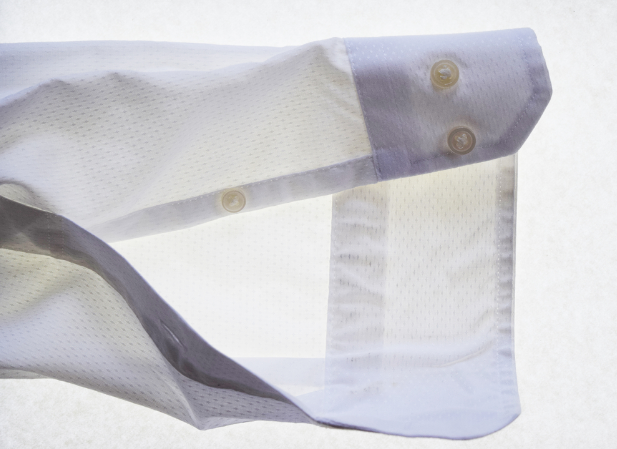
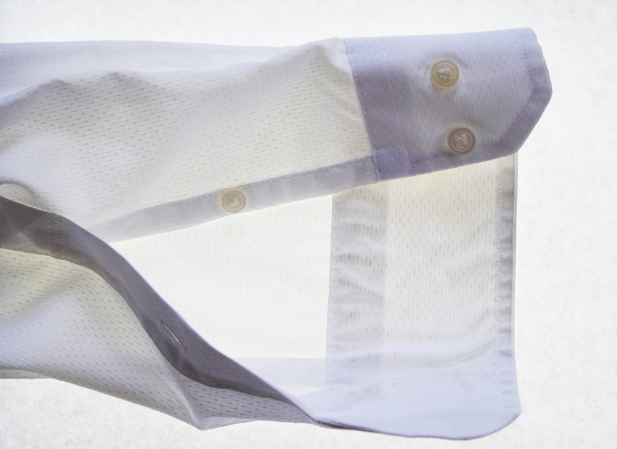
Before beginning the washing process, ensure all buttons on your shirt are undone, including those on the cuffs. It’s also advisable to remove any collar stays, which are small, stiff pieces that help maintain the shape of the collar. This preparation allows for a more thorough and even cleaning of the fabric.
Pre-Treating Stains
Address any visible stains, such as those from food, ink, or perspiration, before the main wash. Apply a specialized stain remover directly to the affected areas. Allow the stain remover to penetrate the fabric for approximately 20 minutes. This soaking period is crucial for breaking down the stain molecules and significantly increasing the likelihood of complete removal during the wash cycle.
Considerations for Stain Types:
- Food and Sweat Stains: Most general stain removers are effective.
- Ink Stains: May require a specific ink stain remover or a pre-treatment with rubbing alcohol (test on an inconspicuous area first).
- Oil-Based Stains: Pre-treating with a degreasing agent or dish soap can be beneficial.
Washing Instructions
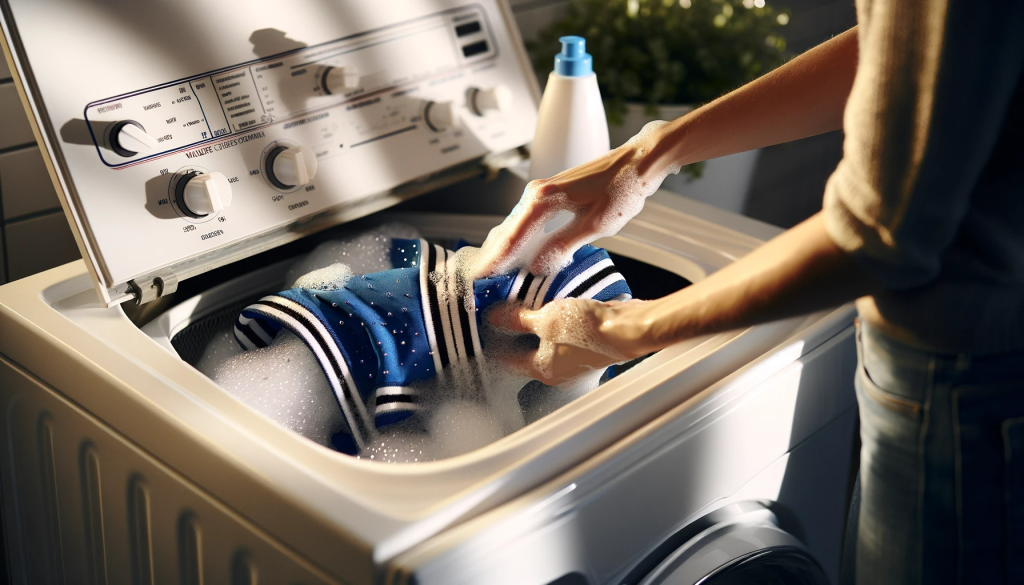
When washing your shirts, opt for cold water and use the delicate cycle on your washing machine. Cold water is generally gentler on fabrics and helps preserve colors. If you are dealing with stubborn oil-based stains, using warm water can enhance the effectiveness of the detergent in breaking down the grease. However, be mindful that frequent washing in warm water can lead to color fading over time. Therefore, it’s best to reserve warm water for tougher stains and predominantly use cold water for regular cleaning.
Pros of Cold Water Washing:
- Preserves fabric color and reduces fading.
- More energy-efficient.
- Gentler on delicate fabrics.
Cons of Cold Water Washing:
- May be less effective on certain types of stains (e.g., heavy grease) without pre-treatment.
Drying Techniques
After washing, it is recommended to hang the shirt to dry on a plastic hanger. Fasten the top two buttons of the shirt while it hangs. This helps to maintain the collar’s structure and the overall shape of the shirt as it dries. For those who wish to minimize ironing time, you can place the shirt in a dryer on the permanent press setting. However, it is critical to limit the drying time to a maximum of six to eight minutes. Over-drying in a machine can lead to excessive wrinkling and potential fabric damage.
Benefits of Air Drying:
- Helps maintain garment shape and prevents shrinkage.
- Extends the lifespan of the fabric and color.
- More energy-efficient than machine drying.
When to Use the Dryer (Briefly):
- To quickly remove excess moisture and reduce ironing time.
- Always use a low heat setting and monitor closely.
Ironing Your Button-Down Shirts

Before you begin ironing, consult the care label on your shirt to determine the fabric composition. This information is vital for selecting the correct heat setting on your iron. Cotton and cotton-blend fabrics can generally tolerate higher temperatures, whereas synthetic materials like polyester require a lower heat setting to prevent scorching or melting. For optimal ironing results, the shirt should be slightly damp. If you desire a very crisp finish, consider using a spray starch or ironing the exterior of the shirt first, followed by the interior. This method ensures a smooth, professional look.
Understanding Fabric Heat Requirements:
- Cotton/Linen: High heat.
- Wool: Medium heat (often with steam).
- Silk/Synthetics (Polyester, Nylon, Acrylic): Low heat.
Ironing the Collar
Begin by lightly moistening the shirt collar with water. Lay the collar flat on the ironing board and start ironing the underside, moving the iron from one end of the collar to the other. Once the underside is done, flip the collar over and repeat the process on the upper side. This ensures the collar is evenly pressed and maintains its shape.
Pressing the Cuffs
Unbutton and spread the button cuffs open flat. Carefully iron both the inside and outside surfaces of the cuff. It is important to iron around the buttons rather than directly over them to avoid damaging the buttons or the iron’s soleplate.
Ironing the Front Panels
Proceed to the front of the shirt. Iron each side of the placket (the strip where the buttons and buttonholes are located) with care, maneuvering the iron around the buttons. Then, starting from the shoulder area, move the iron downwards towards the hem on each of the front panels.
Ironing the Back Panel
To iron the back of the shirt efficiently, lay it flat on the ironing board. You can use the square edge of the ironing board to help anchor one of the shirt’s sleeves. Begin ironing at the top of the back panel and work your way down. Once one half is ironed, carefully slide the shirt across the board to iron the remaining half, ensuring the entire back is smooth and wrinkle-free.
Finishing the Sleeves
For the sleeves, use the sleeve seam as a guide to lay the sleeve flat on the ironing board. Ensure the fabric is completely smooth before you begin ironing. If the sleeve is not laid flat, you risk pressing unwanted creases into the fabric. Start ironing from the top of the sleeve, moving towards the cuff. Flip the sleeve over and repeat the process on the other side. Once one sleeve is completed, move on to the second sleeve and repeat the same steps.
Storing Your Button-Down Shirts
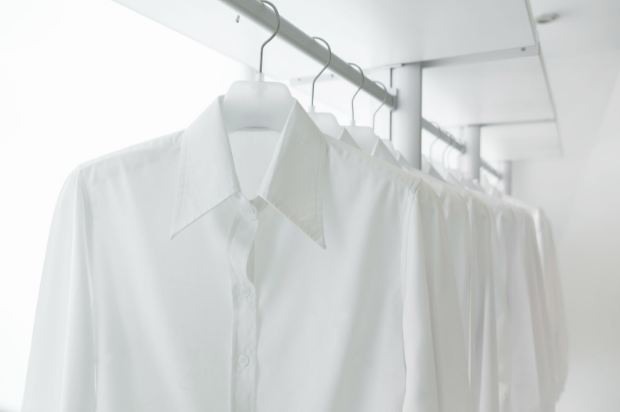
For shirts that are part of your daily rotation, ensure they are fully buttoned and hung on sturdy hangers. Store them in your closet, allowing adequate space between garments to prevent crushing. For shirts that are worn less frequently, consider storing them in breathable cotton garment bags. Cotton allows for air circulation, which is essential for preventing yellowing and maintaining the fabric’s condition over extended periods.
Proper care and maintenance of your button-down shirts are key to preserving their appearance and extending their lifespan. For busy periods when you may not have time for personal garment care, professional dry cleaning services offer a convenient solution for cleaning and pressing. Alternatively, services like Rinse offer pickup, professional cleaning, and delivery, ensuring your essential wardrobe pieces are consistently well-maintained.
We’ve covered the essentials of caring for your button-down shirts, but there’s always more to learn about keeping your wardrobe in top shape. Explore our Blog for more expert tips and guides.