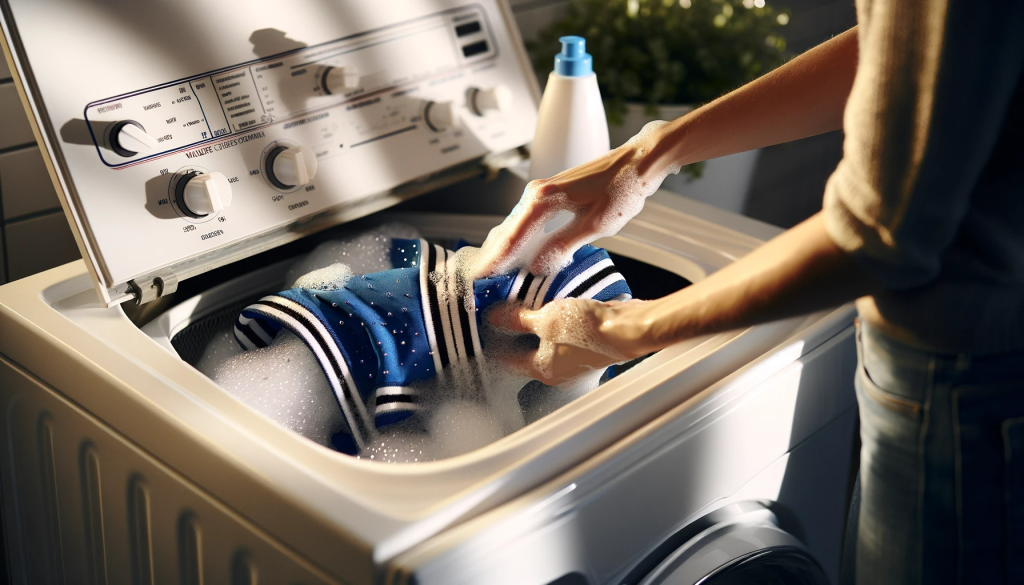

Clothes shrinking in the wash can be a frustrating experience, but understanding what causes it is the first step to prevention. Factors like heat exposure, the mechanical action of washing machines, and incorrect drying methods all play a role in garment shrinkage, especially with natural fibers like cotton and wool. To keep your favorite pieces looking their best, opt for cold water washes and gentle drying cycles, or simply air dry them. For personalized apparel that’s made to last, check out InktasticMerch.
<div id="blog-articlecontent” class=”blog-articlecontent”>
What Causes Clothes to Shrink in the Laundry?
Understanding the root causes of garment shrinkage is the first step toward preventing it. Shrinkage is primarily influenced by the fabric’s composition and its interaction with heat, moisture, and the mechanical forces applied during the washing and drying cycles.
Heat Exposure
High temperatures are a leading culprit in fabric shrinkage. When clothes are exposed to hot water during washing or high heat settings in a dryer, the fibers within the fabric can contract. This effect is particularly pronounced in natural fibers like cotton, wool, and linen, which are more sensitive to heat. To mitigate this, always opt for cold water washes and utilize the lowest heat setting on your dryer, or, ideally, air dry garments. For a deeper dive into which items are suitable for machine drying, consult specific garment care guides.
Agitation and Mechanical Action
The physical tumbling and friction that clothes experience in washing machines and dryers can also lead to shrinkage. This mechanical action causes fibers to rub against each other, tightening their structure and resulting in a smaller garment size. Delicate materials, such as wool and silk, are especially vulnerable to this type of shrinkage. To protect these items, consider using the delicate cycle on your washing machine or opting for hand washing, which significantly reduces the intensity of mechanical stress on the fabric.
Incorrect Washing and Drying Methods
Beyond heat and agitation, improper laundry practices can contribute to shrinkage. Overloading the washing machine, for instance, restricts the free movement of clothes, increasing friction and the likelihood of fibers tightening. Similarly, using harsh detergents or fabric softeners can weaken fabric fibers over time, making them more susceptible to shrinking. It is always advisable to adhere to the garment’s care label instructions and avoid overfilling your washing machine.
<img class="filer_image
" alt="point3d-commercial-imaging-ltd-u_iAyixU_SU-unsplash (1).webp" loading="lazy" src="https://inktasticmerch.com/wp-content/uploads/2025/12/point3d-commercial-imaging-ltd-u_iayixu_su-unsplash_1-webp3362x2241_q85_crop_subsampling-2_upscale.jpg” title=”point3d-commercial-imaging-ltd-u_iayixu_su-unsplash_1-webp3362x2241_q85_crop_subsampling-2_upscale”>
Types of Shrinkage in Clothes
Identifying the specific type of shrinkage a fabric undergoes can inform the best care strategies. Different fiber types and manufacturing processes lead to distinct shrinkage behaviors.
Felting Shrinkage
Felting shrinkage is a phenomenon primarily observed in wool and other animal hair fibers. These fibers possess microscopic scales that, when exposed to the combined forces of moisture, heat, and agitation, interlock and mat together. This process causes the fabric to become denser and significantly smaller. To prevent felting shrinkage in wool garments, such as sweaters, it is crucial to wash them in cold water and allow them to air dry completely.
Relaxation Shrinkage
Relaxation shrinkage occurs as fibers, particularly natural ones like cotton, linen, and silk, as well as some synthetics, relax from the tension they experienced during the manufacturing process. This relaxation often manifests as shrinkage, especially during the initial washing cycles, and is exacerbated by using lukewarm or hot water. To minimize this effect, it’s recommended to wash new garments in cold water and continue to use cold water for subsequent washes.
Consolidation Shrinkage
Consolidation shrinkage is a result of the combined effects of heat, moisture, and mechanical action on fabrics, particularly those made from natural fibers. The tension inherent in the yarns, introduced during weaving or knitting, is released under these conditions, causing the fabric to tighten and shrink. This is commonly seen in items like cotton t-shirts. Employing cold water for washing and avoiding high heat settings during drying are effective measures to combat consolidation shrinkage.
<img class="filer_image
" alt="keagan-henman-ufuk99QfQTg-unsplash.webp" loading="lazy" src="https://inktasticmerch.com/wp-content/uploads/2025/12/keagan-henman-ufuk99qfqtg-unsplash-webp2068x1379_q85_crop_subsampling-2_upscale.jpg” title=”keagan-henman-ufuk99qfqtg-unsplash-webp2068x1379_q85_crop_subsampling-2_upscale”>
Fabrics More Prone To Shrinking
Certain textile compositions are inherently more susceptible to shrinking due to their physical properties. Awareness of these materials can guide more cautious laundry practices.
Cotton
Cotton is a highly popular natural fiber, but it is also notoriously prone to shrinkage, especially when subjected to heat. To preserve the size and fit of cotton garments, washing them in cold water and air drying is the recommended approach.
Wool
The natural structure of wool fibers makes them particularly susceptible to felting shrinkage when exposed to heat and moisture. To maintain the integrity and size of wool items, cold water washing and air drying are essential.
Rayon
Rayon, a semi-synthetic fiber often derived from wood pulp, is delicate and can shrink easily if not handled with care. Hand washing rayon garments in cold water and allowing them to air dry is the safest method to prevent shrinkage.
Linen
Linen, known for its breathability and crisp texture, can shrink significantly when washed in hot water or dried on high heat. To maintain the dimensions of linen clothing and bedding, opt for cold water washes and air drying.
Silk
As a luxurious natural protein fiber, silk requires gentle care. Improper washing or drying, especially involving high temperatures, can cause silk to shrink and lose its luster. Hand washing silk items in cold water and air drying them is the best practice.
Denim
Denim, typically made from cotton, can shrink, particularly during the drying process. To minimize shrinkage in jeans and other denim items, wash them in cold water and either air dry them or use a low heat setting on your dryer. For more detailed care instructions specific to denim, refer to comprehensive guides on jean maintenance.
<img class="filer_image
" alt="point-normal-2QhoX6bZ1rk-unsplash.webp" loading="lazy" src="https://inktasticmerch.com/wp-content/uploads/2025/12/point-normal-2qhox6bz1rk-unsplash-webp1225x875_q85_crop_subsampling-2_upscale.jpg” title=”point-normal-2qhox6bz1rk-unsplash-webp1225x875_q85_crop_subsampling-2_upscale”>
Fabrics Less Prone To Shrinking
Conversely, certain synthetic fabrics possess inherent properties that make them more resistant to shrinkage, simplifying their care routines.
Polyester
Polyester is a highly durable synthetic fabric known for its excellent resistance to shrinking. Its robust fibers can typically withstand washing in warm water and tumble drying on low heat without significant dimensional changes.
Nylon
Nylon, another strong and resilient synthetic material, is also less prone to shrinking. It generally holds up well to standard washing and drying cycles, maintaining its original size and shape.
Spandex
Spandex (also known as elastane or Lycra) is prized for its exceptional stretch and recovery. This synthetic fiber is highly resistant to shrinking, making it an ideal choice for activewear and form-fitting garments that need to retain their shape after repeated washing and wear.
<img class="filer_image
" alt="priscilla-du-preez-dlxLGIy-2VU-unsplash.webp" loading="lazy" src="https://inktasticmerch.com/wp-content/uploads/2025/12/priscilla-du-preez-dlxlgiy-2vu-unsplash-webp2189x1459_q85_crop_subsampling-2_upscale.jpg” title=”priscilla-du-preez-dlxlgiy-2vu-unsplash-webp2189x1459_q85_crop_subsampling-2_upscale”>
How To Keep Clothes From Shrinking
Implementing consistent, careful laundry practices is key to preserving the size and fit of your garments. The following steps offer a comprehensive approach to preventing shrinkage.
Read the Care Labels
The garment care label is your most reliable guide for proper maintenance. It provides specific instructions tailored to the fabric composition and construction of the item, detailing recommended washing temperatures, drying methods, and any special precautions to avoid damage, including shrinkage.
Use Cold Water
Washing clothes in cold water is one of the most universally effective methods for preventing shrinkage. Cold water has a significantly lower impact on fiber structure compared to hot water, minimizing the contraction of fibers and helping garments retain their original dimensions.
Air Dry
Air drying is the gentlest and safest method for drying clothes, completely eliminating the risk of heat-induced shrinkage. Utilizing a drying rack or a clothesline allows garments to dry naturally, preserving their shape and size. This method is particularly recommended for delicate fabrics.
Tumble Dry Low Heat
When air drying is not feasible, using the “tumble dry low heat” setting on your dryer is the next best option. This setting employs minimal heat, substantially reducing the risk of shrinkage while still efficiently drying your clothes.
Hand Wash
For delicate or particularly sensitive items, hand washing offers the most control over the cleaning process and significantly reduces the risk of shrinkage. This method is especially beneficial for fabrics like wool, silk, and rayon, which are more prone to shrinking when subjected to machine agitation and heat.
<img class="filer_image
" alt="ricardo-gomez-angel-rNXy6ngoyQ0-unsplash.webp" loading="lazy" src="https://inktasticmerch.com/wp-content/uploads/2025/12/ricardo-gomez-angel-rnxy6ngoyq0-unsplash-webp1103x983_q85_crop_subsampling-2_upscale.jpg” title=”ricardo-gomez-angel-rnxy6ngoyq0-unsplash-webp1103x983_q85_crop_subsampling-2_upscale”>
How To Store Clothes To Prevent Shrinking
While laundry practices are paramount, proper storage also plays a role in maintaining the shape and preventing undue stress that could lead to shrinkage or stretching.
Use Breathable Storage Containers
Storing clothes in breathable containers, such as fabric bins or garment bags made of natural materials, helps regulate humidity and prevent moisture buildup. Trapped moisture can degrade fibers over time and contribute to shrinkage, whereas breathability allows for air circulation.
Avoid Overcrowding
Allowing adequate space between garments in closets or storage drawers prevents them from becoming overly compressed. Cramming clothes together can lead to creasing and can put stress on the fibers, potentially affecting their shape and size over time.
Choose Appropriate Hangers
The type of hanger used can impact a garment’s shape. Opt for sturdy hangers that support the garment’s natural lines. Avoid thin wire hangers, which can cause shoulder distortion and stress points that might lead to stretching or misshaping over time.
Fold Heavy Items
Heavier garments, such as thick sweaters, wool coats, and denim items, are best stored by folding them rather than hanging. Hanging can cause these heavier items to stretch downwards due to gravity, potentially altering their original fit and leading to a perception of shrinkage or misshaping.
<img class="filer_image
" alt="sarah-brown-oa7pqZmmhuA-unsplash (1).webp" loading="lazy" src="https://inktasticmerch.com/wp-content/uploads/2025/12/sarah-brown-oa7pqzmmhua-unsplash_1-webp1500x1000_q85_crop_subsampling-2_upscale.jpg” title=”sarah-brown-oa7pqzmmhua-unsplash_1-webp1500x1000_q85_crop_subsampling-2_upscale”>
Will Dry Cleaning Prevent Shrinkage?
Dry cleaning offers a highly effective method for preventing shrinkage, particularly for garments made from delicate or sensitive fabrics that are not suited for traditional water-based washing. Professional dry cleaners utilize specialized solvents that do not involve water, thereby eliminating the risk of shrinkage associated with heat and moisture exposure common in home laundering.
Beyond shrinkage prevention, dry cleaning is adept at removing tough stains and preserving the structural integrity and appearance of garments. Services like Rinse provide professional dry cleaning with convenient pickup and delivery options, ensuring your special garments receive expert care.
By consistently applying these preventative measures—paying close attention to care labels, favoring cold water washes, opting for air drying when possible, and utilizing professional dry cleaning for sensitive items—you can significantly reduce the likelihood of clothes shrinking. For additional insights into garment care, explore other resources on laundry best practices.
<img class="filer_image
" alt="m0851—FH4Uo2PYA-unsplash.webp" loading="lazy" src="https://inktasticmerch.com/wp-content/uploads/2025/12/m0851-fh4uo2pya-unsplash-webp1401x935_q85_crop_subsampling-2_upscale.jpg” title=”m0851-fh4uo2pya-unsplash-webp1401x935_q85_crop_subsampling-2_upscale”>
Experience Laundry Bliss with Rinse
Our team of laundry and dry cleaning specialists possesses the expertise to handle all fabric types, ensuring your garments are returned in their original condition and size. We are committed to maintaining the quality and fit of your clothing through meticulous care processes.
Simply gather your laundry, and we will manage the rest—from washing, drying, and ironing to precise folding. Schedule your first pickup today to discover the convenience and quality of our services.
Contact Rinse for a demonstration of our professional cleaning capabilities.
<img class="filer_image
" alt="drop.webp" loading="lazy" src="https://inktasticmerch.com/wp-content/uploads/2025/12/drop-webp1124x613_q85_crop_subsampling-2_upscale.jpg” title=”drop-webp1124x613_q85_crop_subsampling-2_upscale”>
Need Laundry or Dry Cleaning Services?
Rinse offers pickup and delivery seven days a week, providing an exceptionally convenient and simple solution for your laundry and dry cleaning needs.
Try Rinse Today
By implementing these simple yet effective prevention tips, you can significantly extend the life and maintain the perfect fit of your favorite garments. For more expert advice on garment care and laundry hacks, be sure to explore our extensive Blog.