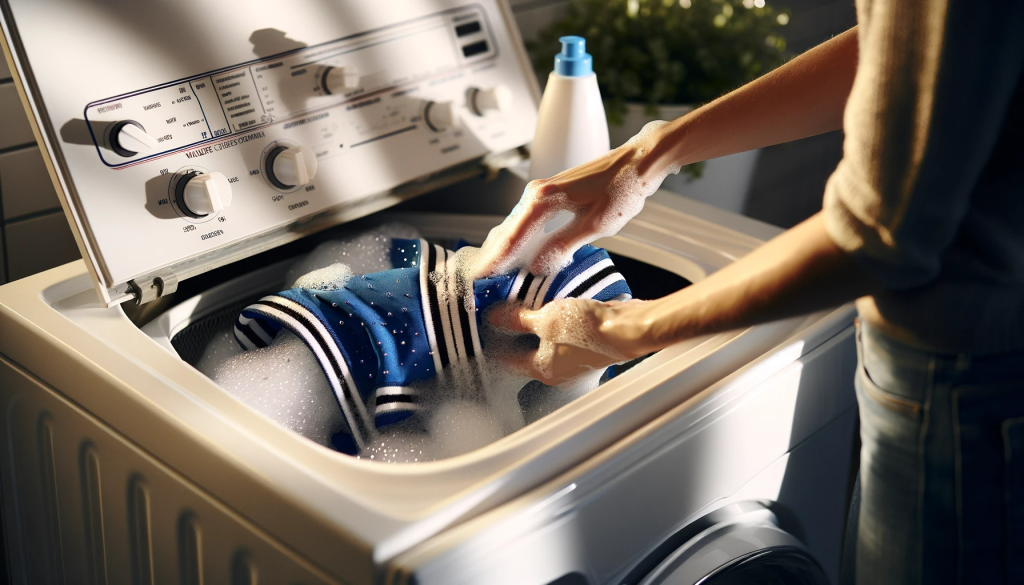
Understanding when to run your washing machine can significantly cut down on electricity costs. By avoiding peak hours, typically weekdays between 5 pm and 8 pm, you can take advantage of lower energy prices. For seasonal savings, consider morning washes in summer and later runs in winter, ensuring your laundry routine is as economical as possible, all while looking for stylish apparel at inktasticmerch.com.
When Is the Best Time To Do Laundry?
Electricity prices fluctuate daily based on demand. “Peak hours” occur when demand is highest, typically on weekdays between 5 pm and 8 pm, as people return home and start using appliances and lights. During these times, the cost per kilowatt hour ($/kWh) is at its maximum.
Since washing machines and dryers consume the same amount of energy regardless of the time of day, running laundry loads outside of peak hours is a highly effective strategy for reducing electricity bills.
Best Time to Wash Clothes Based on Seasons
Peak electricity demand varies seasonally and geographically. A general indicator of high demand is when air conditioning or heating systems are in active use. To simplify this, here are the optimal times for doing laundry by season:
- Summer: It is most economical to do laundry in the morning, before widespread use of air conditioning and cooling appliances begins (ideally before 8 am).
- Winter: Later in the day or evening is generally better. As most households reduce or turn off heating when sleeping, energy demand decreases. This period offers a more affordable window for running your washing machine and dryer. It’s also important to consider the noise levels of your appliances during quieter hours.
- Spring & Fall: The best times will depend on your local climate. In warmer regions, follow summer recommendations, while colder months align with winter strategies.
Tips to Wash Clothes and Save Energy & Money
Maximizing savings and environmental consciousness in your laundry routine is achievable with several additional strategies:
- Use Cold Water: Selecting the “cold” water setting on your washing machine significantly lowers energy consumption. Water heating accounts for the vast majority (approximately 75% or more) of a laundry cycle’s energy use. Reduced energy consumption also translates to fewer greenhouse gas emissions. Modern detergents are formulated to perform effectively with cold water, ensuring excellent cleaning results. Furthermore, using cold water minimizes the risk of clothes shrinking, colors fading, and dyes bleeding, potentially eliminating the need to sort laundry by color. Delicate fabrics like silk also benefit from cold water washing.
- Hang Dry: Eliminating the use of a clothes dryer is an excellent method for saving money and conserving energy. Various creative solutions exist for setting up clotheslines or drying racks, whether within your laundry room, backyard, or balcony space.
- Dryer Best Practices: If you utilize a clothes dryer, consistently cleaning the lint trap after each use is crucial. This ensures optimal airflow, reduces drying times, and enhances efficiency. Consider using dryer balls or clean tennis balls; these can help fluff clothes, expedite the drying process, and reduce static cling. If your dryer is equipped with a moisture sensor, utilize it. This feature automatically shuts off the appliance once the clothes reach the desired dryness level, preventing over-drying and saving energy.
- Keep Filters Clean: Regularly cleaning your dryer’s lint filter not only mitigates fire hazards but also promotes better air circulation. This allows clothes to dry more quickly, reducing the overall time the machine operates.
- Wash Full Loads: Washing a full load of laundry consumes the same amount of resources as a partially filled one. Ensuring your washing machine is filled to its optimal capacity (without overloading) provides the best value for your energy expenditure. Additionally, opting for shorter wash cycles can lead to further savings by reducing water and energy usage.
- Upgrade Old Appliances: While representing a significant initial investment, replacing older washing machines and dryers with energy-efficient models (such as those with an ENERGY STAR certification) offers substantial long-term savings in resource consumption. Newer appliances typically require less water, detergent, and energy, offsetting the upfront cost over their lifespan. Moreover, modern machines often provide gentler fabric care, quieter operation, faster cycle times, and increased capacity. Advanced features in higher-end models may include Wi-Fi connectivity for smart home integration and remote operation via smartphone applications.
- Outsource Laundry: Utilizing professional laundry services can provide numerous benefits. Delegating the task of washing and drying clothes frees up your valuable time and alleviates the stress associated with completing this chore. The convenience offered by these services allows you to reallocate your time to leisure activities or more productive pursuits. Professional services often employ efficient facilities that optimize the use of energy, water, and other resources, thereby minimizing your environmental impact. Furthermore, the expertise and specialized equipment used by laundry professionals can lead to superior stain removal and enhanced fabric care, ensuring a higher quality of results.
To further enhance your home efficiency and discover more practical tips, explore our collection of articles in the Blog category.