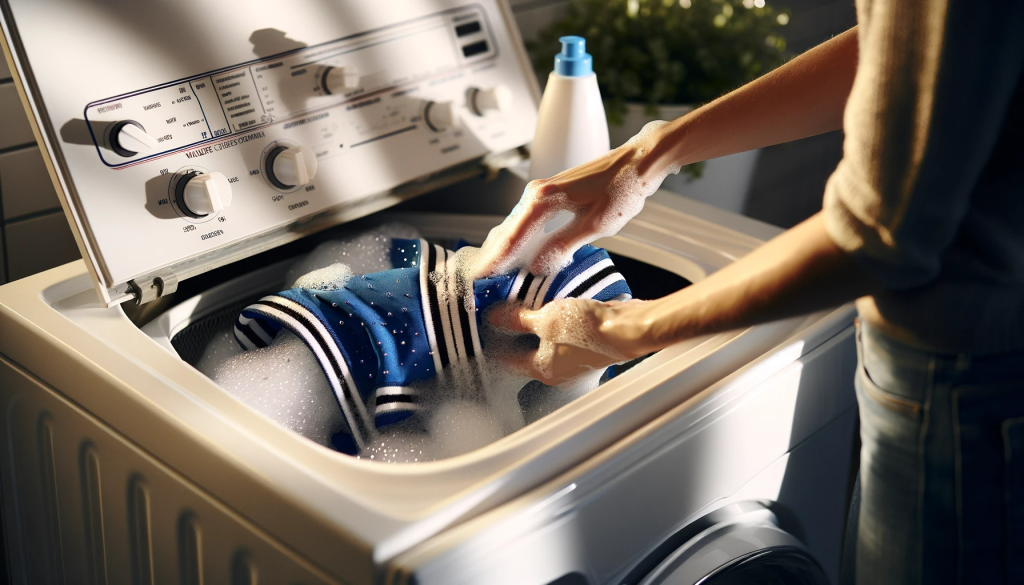

Set-in stains like coffee, oil, and wine can be a real challenge, but knowing how to tackle them makes all the difference. Discover effective methods to remove these stubborn marks and keep your favorite clothes looking fresh, all with a little help from InktasticMerch.
Types of Set-In Stains
Discovering set-in stains can be a headache, but fear not – each stain has its nemesis. Explore six common culprits and understand why banishing them, including how to get white stains out of clothes, poses a unique challenge.
Coffee Stains
For coffee enthusiasts, spills are almost inevitable. Those stubborn brown spots may seem tricky but fret not. Act swiftly by blotting up excess coffee and concocting a mixture of warm water, dish soap, and white vinegar. Employ a clean white cloth to blot the stain gently with this solution.
If time slips away, use warm water to loosen the dried coffee first. Coffee stains are notorious for their deep pigmentation, making quick attention crucial to prevent them from becoming permanent.
Oil-Based Stains
Dripped salad dressing on your cherished shirt? Or are you wondering how to get stains out of white shirts? Oil stains pose a common challenge, but there’s a remedy. Begin by absorbing as much grease as possible using powders like baking soda, baby powder, or cornstarch. These powders work by encapsulating the oil, facilitating easier removal during a regular cycle in a washing machine.
The composition of oil-based stains necessitates prompt intervention, as delaying treatment can embed the oil deeper into the fabric fibers, making it significantly harder to remove later.
Wine Stains
Accidental spills during a delightful evening can lead to unwelcome wine stains, particularly red wine stains. Tackling these requires a different approach. You can quickly blot the stain with a clean cloth, avoiding rubbing, which can spread the stain and worsen the situation.
Follow up with cold water and salt for a preliminary treatment. With their vibrant hue and tannin content, wine stains demand immediate attention to prevent them from setting into the fabric permanently.
Ink Stains
From accidental child artistry to pesky pen leaks, ink stains are common. Combat them by applying plain white toothpaste to the mark and vigorous rubbing to lift the stain. Alternatively, rubbing alcohol and homemade pastes are effective solutions. Ink stains, due to their diverse chemical compositions, require tailored methods for optimal removal, as different ink types react differently to treatments.
Blood Stains
From skinned knees to shaving nicks, blood stains are a persistent challenge. Swift action is paramount, as dried blood can leave a lasting mark. Soak the stain for five to ten minutes using a solution of one cup white vinegar to two cups warm water. Avoid hot water, as it can set blood stains.
Dab away the blood, recognizing that the hemoglobin in the blood makes it one of the toughest stains to eliminate, especially once it has dried.
Pigment-Based Stains
These stains, stemming from various sources like paint, makeup, or certain foods, may require customized approaches. Whether artistic endeavors or accidental spills, pigment-based stains demand careful treatment. Please be aware of the nature of the pigment and choose the appropriate stain-removal methods, as some pigments can be more challenging than others.
In the battle against set-in stains, understanding their unique compositions and employing tailored remedies is key. Remember, timely intervention with the right solutions can salvage your favorite garments, whether coffee, oil, wine, ink, blood, or pigment-based stains.
<img class="filer_image
" alt="dimitri-photography-jMgoWJKnBcw-unsplash.webp" loading="lazy" src="https://inktasticmerch.com/wp-content/uploads/2025/12/dimitri-photography-jmgowjknbcw-unsplash-webp680x453_q85_crop_subsampling-2_upscale.jpg” title=”dimitri-photography-jmgowjknbcw-unsplash-webp680x453_q85_crop_subsampling-2_upscale”>
Stain Fighting Materials List
Equipping yourself with the right tools is half the battle when conquering stubborn stains. Here’s a curated list of essential materials, ingredients, and tools that will turn you into a stain-fighting pro:
-
Detergent: A staple in any laundry arsenal, detergent is your go-to for breaking down a wide array of stains. Opt for a versatile detergent suitable for various fabric types, and consider a detergent with enzymes for tougher stains.
-
White Vinegar: A multi-purpose wonder, white vinegar is effective against various stains, including coffee and blood. Its acidic nature helps break down stains and brighten fabrics. Ensure it’s distilled white vinegar for optimal results.
-
Hydrogen Peroxide: This mild bleach alternative is excellent for combatting tough stains like wine. It acts as a gentle yet effective stain remover without compromising fabric integrity, especially on lighter-colored fabrics. Always test on an inconspicuous area first.
-
Baking Soda: This household hero isn’t just for baking. Baking soda is a powerful absorber, making it ideal for tackling oil-based stains. Sprinkle it on stains before washing to enhance the cleaning process and remove stains by drawing them out of the fibers.
-
Soft Brush: A soft brush, such as an old toothbrush or a dedicated laundry brush, is handy for delicate fabrics or stubborn stains requiring extra scrubbing. Gently work stain-removing solutions into the fabric without causing damage or fraying.
-
Stain-Removal Pen: Compact and convenient, a stain-removal pen is perfect for on-the-go stain emergencies. Keep one in your bag or car for quick and efficient spot treatments, especially for fresh spills.
-
Towels: An essential component of the stain-removal process, clean white towels or cloths are crucial for blotting and absorbing excess liquids. They prevent the stain from spreading during treatment and help lift residue.
Cautionary Note: When using DIY stain removal, you should be careful when you mix ingredients. Some combinations can produce harmful reactions or damage fabrics. Always follow recommended ratios and guidelines for safe usage. For instance, never mix bleach with vinegar or ammonia. If you need more clarification, please feel free to refer to product labels or seek professional advice. Safety first ensures successful and risk-free stain removal.
Armed with these stain-fighting essentials and some know-how, you’ll be well-equipped to tackle unwanted spots on your favorite garments.
<img class="filer_image
" alt="jeshoots-com-ZMnefoI3k-unsplash (2).jpg” loading=”lazy” src=”https://inktasticmerch.com/wp-content/uploads/2025/12/jeshoots-com-zmnefoi3k-unsplash_2-jpg2520x1680_q85_crop_subsampling-2_upscale.jpg” title=”jeshoots-com-zmnefoi3k-unsplash_2-jpg__2520x1680_q85_crop_subsampling-2_upscale”>
5 Techniques To Get Old Stains Out Of Clothes
Would you be willing to enlist on a mission to restore your garments to their former glory? Here are five potent techniques to bid farewell to those stubborn old stains.
Pre-Treating with Liquid Laundry Detergent
Pre-treating stains is a game-changer; liquid laundry detergent is your trusty ally. This method works by allowing the detergent’s active agents to begin breaking down the stain before the main wash cycle.
-
Apply a small amount of liquid laundry detergent directly onto the stain. Ensure it’s a good quality detergent, preferably one designed for stain removal.
-
Gently rub the detergent into the fabric with your fingers or a soft brush, ensuring it covers the entire stained area and penetrates the fibers.
-
Allow the detergent to work its magic for at least 15 minutes, giving it ample time to penetrate and lift the stain. For very stubborn stains, you can leave it for up to an hour.
-
After the designated time, proceed with your regular laundry routine, washing the garment as usual.
This technique is particularly effective for a variety of common stains, from coffee spills and food marks to ink and grass stains.
Baking Soda Paste for Stubborn Stains
For those persistent stains that refuse to budge, a baking soda paste is your secret weapon. Baking soda’s abrasive yet gentle nature, combined with its absorbent properties, makes it excellent for lifting embedded grime and oils.
-
Mix baking soda with water in a small bowl to form a thick paste. Aim for a consistency similar to toothpaste.
-
Apply the paste generously onto the stubborn stain, ensuring complete coverage and gently working it into the fabric.
-
Let the paste dry on the fabric for approximately 30 minutes. As it dries, it will absorb the stain.
-
Once dry, gently brush off the excess paste with a soft brush or cloth.
-
Proceed with your usual laundry process, washing the garment as you normally would.
This method is especially effective for tough stains like grease spots, oil marks, and dried-on food residues.
Vinegar and Lemon Juice Soak
Harness the power of natural acidity with this dynamic duo. Both white vinegar and lemon juice are natural bleaching agents and deodorizers that can effectively break down many types of stains.
-
Create a solution by combining equal parts white vinegar and lemon juice in a bowl. For larger items or tougher stains, you may need a larger quantity.
-
Soak the stained area in the solution for 15-30 minutes, allowing the acids to break down the stain. For delicate fabrics, monitor closely to prevent potential damage.
-
Rinse the garment thoroughly with cool water to remove any residue from the vinegar and lemon juice mixture.
-
Follow up with a standard wash cycle to ensure all traces of the stain and the cleaning solution are removed.
This technique is excellent for tackling a range of stains, including sweat stains, yellowing on whites, and some fruit or berry stains, leaving your clothes refreshed and brighter.
Hydrogen Peroxide for Color-Safe Stain Removal
Revitalize colored fabrics with the gentleness of hydrogen peroxide. It acts as a mild oxygen bleach, breaking down stain molecules without typically damaging colors when used correctly and tested first.
-
Apply 3% hydrogen peroxide directly to the stain, ensuring even coverage. You can use a spray bottle or apply with a cotton ball.
-
To absorb the stain particles that have been released, gently dab the stain with a fresh, clean cloth. Blot from the outside of the stain inward to prevent spreading.
-
Refrain from rubbing too hard, as this can damage the fabric fibers or spread the stain further.
-
After blotting, proceed with your regular laundry routine, washing the garment as usual.
Opt for hydrogen peroxide for effective stain removal without compromising the vibrancy of most colors, particularly for organic stains like wine or grass. Always perform a spot test on an inconspicuous area first.
Vinegar and Baking Soda Power Punch
When versatility meets efficacy, turn to this powerful combination. Vinegar helps to break down stains, while baking soda acts as a gentle abrasive and odor absorber, creating a potent cleaning reaction.
-
Fill a spray bottle with undiluted white vinegar.
-
Completely saturate the stained area with the vinegar, ensuring it’s thoroughly wet.
-
Generously sprinkle baking soda over the vinegar-soaked area. You should see a fizzing reaction, which indicates the cleaning process is beginning.
-
Gently rub the paste-like mixture into the fabric with your fingers or a soft brush, reapplying vinegar as needed to maintain the fizzing action.
-
Let it sit for a maximum of half an hour to allow the ingredients to work.
-
Rinse the stain thoroughly with cool water for a few minutes to remove the loosened stain particles and the baking soda/vinegar residue.
-
Apply vinegar to the area once more and let it sit for a few minutes before proceeding to the soak.
-
Fill a sink or bucket with about a gallon of cool water.
-
Add ½ cup of white vinegar and a few tablespoons of your regular laundry detergent to the water.
-
Submerge the garment and allow it to soak overnight. This prolonged soaking helps to lift any remaining stain remnants.
-
After soaking, launder the garment as usual.
Enhance your stain-fighting arsenal, restoring spotless allure to your clothes. For optimal results, before widespread application to the garment, remember to test these methods on a small, inconspicuous area to ensure compatibility with the fabric. Also, you can always try professional dry cleaning if the test outcome is not favorable or if the garment is particularly delicate or valuable.
<img class="filer_image
" alt="cristofer-maximilian-AqLIkOzWDAk-unsplash.webp" loading="lazy" src="https://inktasticmerch.com/wp-content/uploads/2025/12/cristofer-maximilian-aqlikozwdak-unsplash-webp680x453_q85_crop_subsampling-2_upscale.jpg” title=”cristofer-maximilian-aqlikozwdak-unsplash-webp680x453_q85_crop_subsampling-2_upscale”>
Say Goodbye To Stubborn Spots With Rinse
Tired of battling stubborn stains or just want to make laundry easier? Embrace convenience with Rinse, your game-changing laundry solution. Rinse simplifies the fight against set-in stains, offering a time-saving approach for busy individuals. Experience the freedom to say farewell to those relentless spots without the hassle of extensive stain treatment yourself.
Trust Rinse to revive your garments so you can focus on what matters most. Try Rinse today and unlock a new era of spotless style! Visit Rinse now for a stress-free laundry experience and ensure your clothes are properly taken care of.
Contact us at Rinse today to see our skill in action.
<img class="filer_image
" alt="USE drop.webp" loading="lazy" src="https://inktasticmerch.com/wp-content/uploads/2025/12/use_drop-webp680x371_q85_crop_subsampling-2_upscale-1.jpg” title=”use_drop-webp680x371_q85_crop_subsampling-2_upscale-1″>
Have laundry or dry cleaning to do?
Rinse picks up, cleans and delivers 7 days a week. Amazingly awesome. Ridiculously simple.
Try Rinse
With these effective methods and essential tools, you’re now equipped to tackle even the most stubborn stains; explore more helpful tips and guides in our Blog.