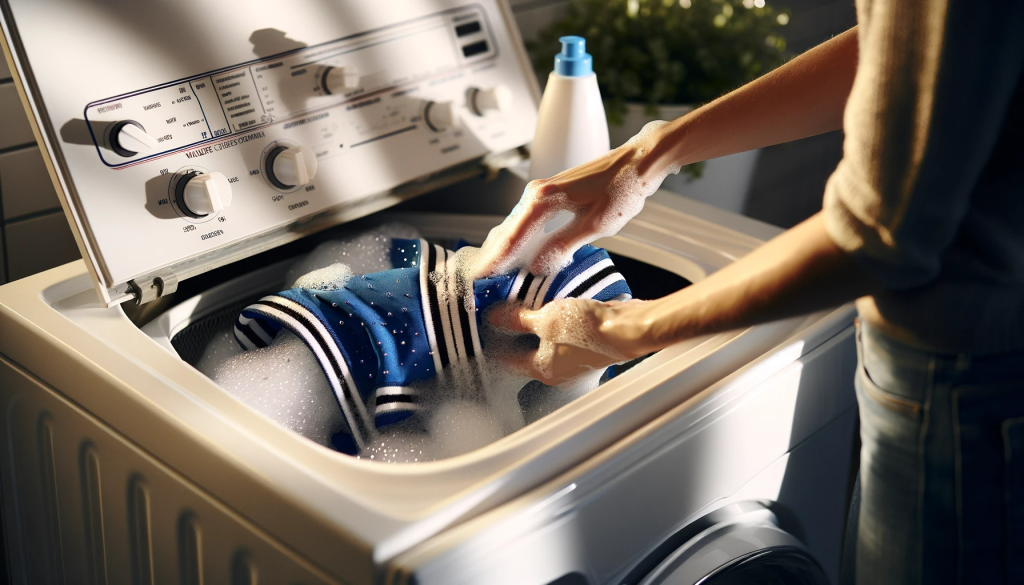
Discover the art of strategically shrinking clothes in the dryer to achieve a perfect fit, ideal for those impulse online buys or post-weight loss adjustments. For a wide range of customizable apparel that fits just right, explore options at inktasticmerch.com. This guide delves into fabric-specific methods to ensure your garments shrink effectively without compromising quality.
<div id="blog-articlecontent” class=”blog-articlecontent”>
The Art of Shrinking Clothes in the Dryer: A Fabric-Specific Guide
Strategically shrinking clothes in the dryer can be an effective method for achieving a more tailored fit at home. This technique is particularly useful for garments that are slightly too large due to weight loss, an online purchase that didn’t fit as expected, or for repurposing clothing. Understanding the nuances of how different fabrics react to heat and moisture is crucial for successful shrinkage without compromising the garment’s quality or comfort. This guide provides a detailed approach to shrinking various fabric types using your clothes dryer.
<img class="filer_image
" alt="burgess-milner-OYYE4g-I5ZQ-unsplash.webp" data-src="" loading="lazy" src="https://inktasticmerch.com/wp-content/uploads/2025/12/burgess-milner-oyye4g-i5zq-unsplash-webp680x453_q85_crop_subsampling-2_upscale.jpg” title=”burgess-milner-oyye4g-i5zq-unsplash-webp680x453_q85_crop_subsampling-2_upscale”>
How to Shrink Clothes by Fabric Type
The effectiveness and method of shrinking clothes vary significantly depending on the material composition. Natural fibers tend to shrink more readily with heat and moisture than synthetic ones, which often require more persistent efforts. It’s essential to identify the fabric type before attempting to shrink a garment to avoid potential damage.
How to Shrink Cotton Clothes
Cotton, being a natural fiber, is highly susceptible to shrinkage when exposed to heat and water. This makes it one of the easiest fabrics to adjust in size. To shrink cotton items effectively:
-
Wash in Hot Water: Begin by washing the cotton garment in the hottest water setting available on your washing machine. The high temperature causes the cotton fibers to relax and contract.
-
Wring Excess Water: After the wash cycle, gently wring out as much water as possible from the garment. It’s important not to stretch the fabric during this step, as this can counteract the intended shrinkage.
-
Tumble Dry on High Heat: Transfer the damp garment to the dryer and select the highest heat setting. The combination of intense heat and the tumbling action will further encourage the cotton fibers to shrink.
-
Check and Repeat: Once the drying cycle is complete, assess the garment’s size. If it hasn’t shrunk to your desired fit, repeat the hot wash and high-heat dry process. For more substantial shrinkage, you can increase the duration of the drying cycle, but always be mindful of potential fabric damage from excessive heat.
How to Shrink Wool
Wool is a natural fiber that is more delicate than cotton and requires a more cautious approach to shrinking. Improper handling can lead to felting, where the fibers mat together, causing irreversible damage and loss of shape. To shrink wool intentionally:
-
Hand Wash in Warm Water: Wool garments are best shrunk by hand washing them in warm water. Avoid vigorous agitation or machine washing, as this can cause felting. Gently swish the garment in the water.
-
Use Mild Detergent: Opt for a mild detergent specifically formulated for wool or delicate fabrics. Harsh chemicals can strip the natural oils from wool fibers, making them brittle and prone to damage.
-
Air Dry to Control Shrinkage: After washing, carefully press out excess water without twisting or wringing the wool. Lay the garment flat on a drying rack or a clean towel, reshaping it to your desired dimensions as it dries. Air drying allows for more controlled shrinkage and helps maintain the garment’s structure.
-
Tumble Dry with Caution: For more significant shrinkage, you can carefully use a dryer. Place the damp wool garment in the dryer on a low heat setting or an air-only cycle. Monitor the process closely, as wool can shrink quickly and unevenly. This method carries a higher risk of felting and should be used sparingly.
How to Shrink Polyester and Synthetic Blends
Polyester, nylon, and other synthetic fibers are engineered for durability and resistance to heat and moisture, making them inherently difficult to shrink. Their plastic-like molecular structure does not readily contract. However, some minor shrinkage can be achieved with persistent heat application:
-
Wash in Warm Water: Start by washing the synthetic garment in warm water. Avoid using hot water, as excessive heat can melt or damage synthetic fibers, leading to a shiny or stiff texture.
-
High Heat in Dryer: Tumble dry the garment on a high heat setting. The sustained heat can cause the synthetic polymer chains to slightly contract. This process may take multiple cycles.
-
Repeat Process if Necessary: Due to the inherent resistance of synthetics to shrinkage, you will likely need to repeat the warm wash and high-heat dry cycle several times to achieve any noticeable reduction in size. Be patient, but also vigilant about checking for signs of fabric degradation.
How to Shrink Denim
Denim, typically made from 100% cotton, is known for its durability and its tendency to shrink, especially when new. The process for shrinking denim is similar to other cotton items but can be more aggressive if needed:
-
Hot Wash: Begin by washing the denim item in hot water. This helps to relax the cotton fibers, making them more receptive to shrinkage in the dryer.
-
Tumble Dry on High Heat: Immediately after washing, place the damp denim in the dryer on a high heat setting. The intense heat and tumbling action will cause the cotton fibers to contract significantly.
-
Air Dry for Precision: If you have achieved the desired shrinkage after the initial tumble dry, you can air dry the garment to maintain its new size and prevent further shrinking. This also helps to set the fabric.
-
Consider Boiling Water for Extra Shrinkage: For substantial shrinkage, particularly with rigid raw denim, you can immerse the garment in boiling water for approximately 30 minutes before proceeding to the high-heat tumble dry. This method can yield more dramatic results but should be approached with caution to avoid damaging any embellishments or specific washes.
<img class="filer_image
" alt="ricardo-gomez-angel-rNXy6ngoyQ0-unsplash (1).webp" data-src="" loading="lazy" src="https://inktasticmerch.com/wp-content/uploads/2025/12/ricardo-gomez-angel-rnxy6ngoyq0-unsplash_1-webp680x606_q85_crop_subsampling-2_upscale.jpg” title=”ricardo-gomez-angel-rnxy6ngoyq0-unsplash_1-webp680x606_q85_crop_subsampling-2_upscale”>
FAQs
Addressing common questions can help refine the shrinking process and prevent unintended consequences.
What Do I Do If My Garment Didn’t Shrink?
If your garment hasn’t shrunk to the desired size, several options can be explored:
-
Repeat the Process: For fabrics that are resistant to shrinking, such as some synthetic blends or tightly woven cottons, simply repeating the hot wash and high-heat dry cycle may be necessary. Patience is key.
-
Increase Heat and Duration: You can try increasing the dryer’s temperature setting and extending the drying time. However, this approach requires careful monitoring to prevent irreversible damage to the fabric, such as melting, scorching, or excessive fading.
-
Soak in Hot Water: For stubborn materials, soaking the garment in very hot water (or even boiling water for durable fabrics like denim) for an extended period before drying can help loosen the fibers and enhance their contraction in the dryer.
<img class="filer_image
" alt="amanda-vick-ohWf6YuzOQk-unsplash.webp" data-src="" loading="lazy" src="https://inktasticmerch.com/wp-content/uploads/2025/12/amanda-vick-ohwf6yuzoqk-unsplash-webp680x453_q85_crop_subsampling-2_upscale.jpg” title=”amanda-vick-ohwf6yuzoqk-unsplash-webp680x453_q85_crop_subsampling-2_upscale”>
Is Shrinkage Reversible?
Generally, once a garment has shrunk due to heat and moisture, the process is difficult to reverse completely. However, for some natural fibers, a slight stretching may be possible:
-
Soak the Garment: Submerge the shrunken garment in lukewarm water. Adding a tablespoon of hair conditioner or a gentle fabric softener can help relax the fibers.
-
Gently Stretch the Fabric: While the garment is still wet and saturated, carefully and gently stretch it back towards its original dimensions. Work on small sections at a time, applying even pressure. Avoid aggressive pulling, which can distort the weave or cause tears.
-
Air Dry Flat: Lay the garment flat on a clean, dry towel, reshaping it as needed. Allow it to air dry completely, periodically adjusting its shape. This method offers the best chance of recovering some of the lost size without causing further damage.
Can Clothes Be Damaged in the Process of Shrinking?
Yes, improper shrinking techniques can indeed damage clothing. Awareness of these potential risks is crucial:
-
Fabric Damage: Exposing delicate fabrics like wool, silk, or certain synthetics to excessively high temperatures can cause fibers to break down, become brittle, or even melt. This can result in permanent loss of texture and structural integrity.
-
Color Fading: Prolonged exposure to high heat and aggressive washing cycles can strip dyes from fabrics, leading to noticeable fading, especially in darker or brightly colored garments. This effect is more pronounced with repeated shrinking attempts.
-
Shape Distortion: Incorrectly shrinking a garment, particularly by stretching it unevenly while wet or applying heat inconsistently, can lead to permanent deformation. This might manifest as twisted seams, uneven hemlines, or a misshapen silhouette that is difficult to wear.
To mitigate these risks, always consult the garment’s care label, perform a small test on an inconspicuous area if possible, and closely monitor the shrinking process, especially when using high heat settings.
<img class="filer_image
" alt="chris-reyem-oJoeGnj8OMM-unsplash.webp" data-src="" loading="lazy" src="https://inktasticmerch.com/wp-content/uploads/2025/12/chris-reyem-ojoegnj8omm-unsplash-webp680x453_q85_crop_subsampling-2_upscale.jpg” title=”chris-reyem-ojoegnj8omm-unsplash-webp680x453_q85_crop_subsampling-2_upscale”>
Professional Garment Care for Optimal Results
While home methods for shrinking clothes can be effective for minor adjustments, they carry inherent risks of fabric damage and unpredictable results. For garments where fit is critical or the fabric is delicate, professional laundry services offer a safer and more reliable alternative.
Professional services like Rinse employ specialized knowledge and equipment to handle a wide array of fabrics. Their expertise ensures that garments are cleaned and cared for using methods that preserve fabric integrity while addressing specific needs, such as achieving a precise fit or maintaining delicate materials like wool and fine cottons.
Opting for professional laundry and dry cleaning services not only eliminates the guesswork and potential damage associated with DIY shrinking but also saves valuable time. It provides peace of mind, knowing that your clothing is being managed by experts who prioritize quality and longevity.
<img class="filer_image
" alt="USE drop.webp" data-src="" loading="lazy" src="https://inktasticmerch.com/wp-content/uploads/2025/12/use_drop-webp680x371_q85_crop_subsampling-2_upscale-1.jpg” title=”use_drop-webp680x371_q85_crop_subsampling-2_upscale-1″>
Have laundry or dry cleaning to do?
Rinse picks up, cleans and delivers 7 days a week. Amazingly awesome. Ridiculously simple.
Try Rinse
For more helpful tips and tricks on garment care and beyond, be sure to explore the rest of our Blog.