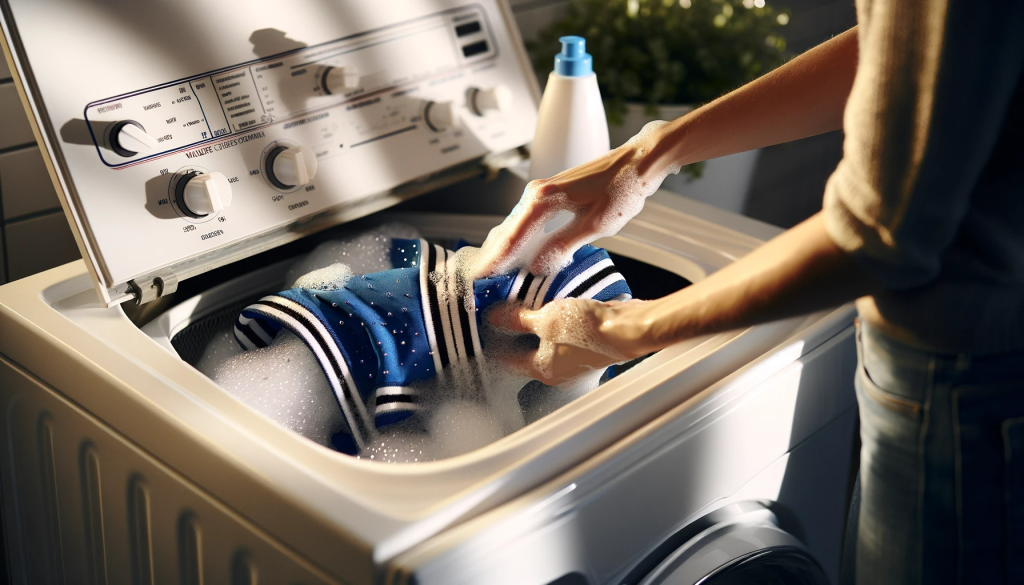
Do: Rinse and Hand Wash
While it’s not strictly necessary to wash your swimsuit the moment you take it off, a quick rinse is highly recommended. Chlorine and salt found in swimming water can be quite harsh on fabric. Rinsing promptly helps to remove these elements and prevent damage. Even if you’ve only been sunbathing, remember that sunscreen and natural body oils can also degrade swimwear material over time. So, a rinse after every wear, even a dry one, is a good practice.
Swimsuits are often made with delicate materials and construction. A washing machine, even on a gentle cycle, can cause unnecessary agitation that might damage the fabric or its elasticity. Opt for hand washing with a mild detergent. This gentle approach ensures your swimwear retains its shape and integrity.
Don’t: Wring Out Your Suit
Twisting and wringing out a wet swimsuit might seem like an efficient way to remove excess water, but it can severely stretch and damage the delicate fibers. Similarly, hanging a wet suit to dry is not ideal, as the weight of the water can strain the straps and seams, potentially leading to loosening and a compromised fit.
A better method for drying is to lay the wet suit flat on a clean, dry towel. Gently roll the towel up with the swimsuit inside, pressing lightly to absorb moisture. Once most of the water is absorbed, unroll the towel and lay the swimsuit flat in a shaded, well-ventilated area to air dry completely.
Do: Rotate Suits
If you’re a frequent swimmer, investing in more than one swimsuit is a wise decision. Spandex and similar elastic materials need time to recover their shape after being stretched. Allowing each swimsuit a full 24-hour break between wears helps maintain its elasticity and fit. This rotation ensures that each piece of swimwear gets a chance to rest and return to its original form, prolonging its lifespan.
Don’t: Overdo the Heat
High temperatures can be detrimental to swimwear. Always wash your swimsuits in cool or lukewarm water, never hot. The heat can break down the elastic fibers and fade colors. Likewise, prolonged exposure to hot water while wearing the suit can also cause damage. If hot tubs are a regular part of your routine, consider having a dedicated “hot tub suit” – perhaps a less expensive option – and reserve your more cherished swimwear for cooler water activities and casual wear.
By following these essential tips, you can ensure your swimwear stays in top condition for seasons to come. For more useful advice and articles, be sure to explore the rest of our Blog.