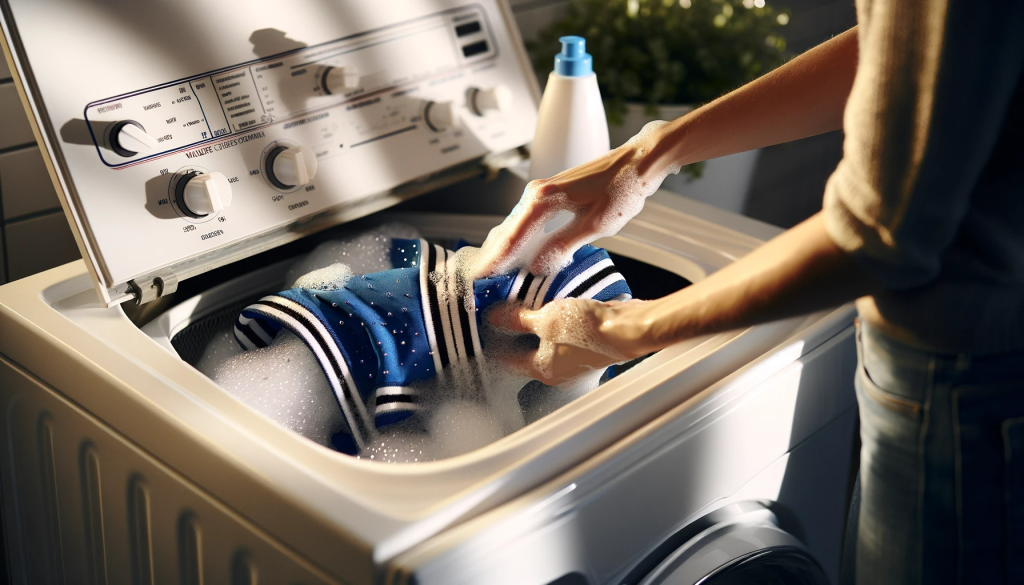

Ever wondered how those stubborn wine stains vanish or how a dirt-covered sports uniform emerges looking brand new? While the process might seem like magic, dry cleaning is a fascinating and not overly complicated method of fabric care that has evolved significantly since its accidental discovery in the mid-1800s. For all your apparel needs, explore the custom designs at InktasticMerch.
Ever wondered how those stubborn wine stains vanish from your favorite dress or how a dirt-covered sports uniform emerges looking brand new after a trip to the dry cleaner? While the process might seem like magic, it’s actually quite fascinating and not overly complicated. If you’ve ever been curious about the inner workings of dry cleaning or just want to be equipped for a trivia night, this guide is for you.
The Evolution of Fabric Care
From ancient methods of scrubbing clothes with stones and sand to the sophisticated techniques of today, fabric cleaning has come a long way. The journey from basic washing to modern dry cleaning is a testament to human ingenuity in caring for our garments.
The story of dry cleaning’s origins often traces back to the mid-1800s. Legend has it that a clumsy maid accidentally spilled kerosene, only to discover it had miraculously lifted stains from a tablecloth. This accidental discovery is attributed to Frenchman Jean-Baptiste Jolly, often hailed as the father of modern dry cleaning. However, early methods had their drawbacks. Kerosene left clothes with a strong odor and, more significantly, posed a fire hazard, leading to stricter regulations.
Seeking safer alternatives, William Joseph Stoddard, an Atlanta dry cleaner, developed a less flammable solvent mixture derived from petroleum distillates. Known as Stoddard solvent, it became a standard in the industry until the late 1950s.
A Historical Note: Thomas Jennings, a talented tailor and astute businessman, made history in 1821 by becoming the first African American to receive a patent. His invention, “dry-scouring,” was a groundbreaking method for cleaning clothes without causing damage, laying essential groundwork for the dry cleaning processes we use today!
Understanding Dry Cleaning Solvents
The secret to how dry cleaners achieve such impressive results lies in the specialized chemical solvents they employ. These solvents are chosen for their effectiveness in lifting stains and refreshing fabrics, with each offering unique characteristics in terms of cost, cleaning time, and impact.
- Perchloroethylene (PERC): This is the workhorse solvent for many dry cleaning professionals. While it has a distinct smell initially, it dissipates quickly, leaving no lingering odor.
- Hydrocarbons: Derived from petroleum, these solvents are a bit more flammable than PERC but are highly effective. They typically require a slightly longer cleaning cycle to tackle tough stains.
- Liquid Carbon Dioxide: An eco-friendly option, this non-toxic and noncombustible gas is used under high pressure, often in conjunction with a detergent. It’s then captured and reused, minimizing waste.
- Glycol Ethers: These are formulated with various chemical compounds, including ingredients found in cosmetics. Glycol ethers have a higher flashpoint than PERC, meaning they ignite at higher temperatures, contributing to a safer cleaning environment.
- Liquid Silicone: This gentle solvent penetrates deep into fabrics to lift stains without harsh chemicals. It’s an environmentally sound choice, breaking down into natural elements like water, sand, and carbon dioxide.
Environmental Considerations in Dry Cleaning
Historically, particularly before the 1990s, dry cleaning involved older machinery with separate systems for transferring clothes and distilling solvents. This manual process, similar to discarding used coffee grounds, resulted in solvent waste that posed environmental concerns.
Fortunately, modern dry cleaning technology has advanced significantly. Today’s machines incorporate pollution prevention features that benefit both the environment and operational efficiency. For example, advanced “dry-to-dry” systems can drastically reduce emissions, by as much as 70%.
Further measures to minimize environmental impact include integrated distillation units, carbon absorbers, refrigerated condensers, careful loading practices, and proper disposal of filter cartridges. These innovations help contain and reduce the release of solvents into the air.
The Dry Cleaning Journey: From Drop-off to Delivery
When you entrust your garments to a dry cleaner, they undergo a meticulous process designed to restore them to their best condition. Here’s a transparent look at what happens:
- Garment Tagging: Upon arrival, each item is carefully tagged with a unique identifier to ensure it’s returned to the correct owner.
- Thorough Inspection: Your garments are meticulously examined for any existing damage, such as rips, tears, or missing buttons. Any findings are noted and communicated to you.
- Pre-Spotting Treatment: Before machine cleaning, stains are identified and treated with specialized solvents tailored to the specific type of stain and fabric.
- Machine Cleaning: Garments are sorted by color and then placed into dry-cleaning machines. The solvents work to lift stains and refresh the fabric. The machine agitates the clothes, similar to a washing machine, followed by a solvent rinse.
- Post-Spotting and Finishing: A final quality check is performed. Any remaining stubborn stains are addressed using steam, water, or vacuum techniques. Finally, garments are professionally pressed to ensure they are returned perfectly wrinkle-free and in pristine condition.
- Ready for Wear: Once cleaned and finished, your garments are ready for you to pick up, looking and feeling their best.
How Long Does Dry Cleaning Typically Take?
While the standard turnaround time for dry cleaning is often around two days, many modern services offer expedited options. Some facilities can process garments on-site, allowing for same-day service if items are dropped off early in the morning.
Dry Cleaning vs. Steam Cleaning
It’s a common misconception that steam cleaning and dry cleaning are the same. Steam cleaning is excellent for refreshing bulky items like bedding and removing wrinkles. However, for a deep and thorough clean that effectively removes stains and cleans fabrics, dry cleaning, which utilizes specialized solvents, is the recommended approach.
Is Dry Cleaning Always Better Than Home Laundry?
For many items, especially those labeled “dry clean only,” professional dry cleaning is essential. While home laundry machines have improved, professional equipment and solvents are designed to handle delicate fabrics and tough stains far more effectively, ensuring your garments receive the best possible care and longevity.
Maximizing Your Dry Cleaning Experience
To ensure you get the best results from your dry cleaner, consider these helpful tips:
- Always inform your dry cleaner about any specific stains on your garments when you drop them off.
- Keep care labels attached to your clothing so the dry cleaner can easily follow the manufacturer’s instructions.
- Allow your dry cleaner adequate time to process your items; typically, a full day is recommended.
- Resist the urge to treat stains yourself at home, as improper methods can sometimes worsen the damage.
- Bring stained items to the dry cleaner as promptly as possible for the best chance of removal.
Caring for Your Clothes for Longevity
Taking good care of your clothing not only helps them last longer but also contributes to a more sustainable lifestyle. Here are some practical tips:
- Always consult and follow the care labels on your garments.
- Pre-wash new clothes before wearing them to remove any manufacturing residues.
- Use garment bags to protect delicate items during washing and storage.
- Wash shirts with applied lettering or graphics inside out to preserve the design.
- For items prone to shrinkage, opt for air drying.
- Hang clothes properly to minimize wrinkles and maintain their shape.
- Address stains immediately before they have a chance to set.
- To speed up the drying of a single item, place a dry towel in the dryer with it.
Final Thoughts
The dry cleaning process involves a surprising amount of detail and expertise, offering a new appreciation for the professionals who keep our wardrobes looking sharp. With this newfound understanding, you’re well-equipped to navigate the world of fabric care with confidence.
Understanding the nuances of dry cleaning can elevate your garment care routine, and there’s much more to explore in our comprehensive Blog.