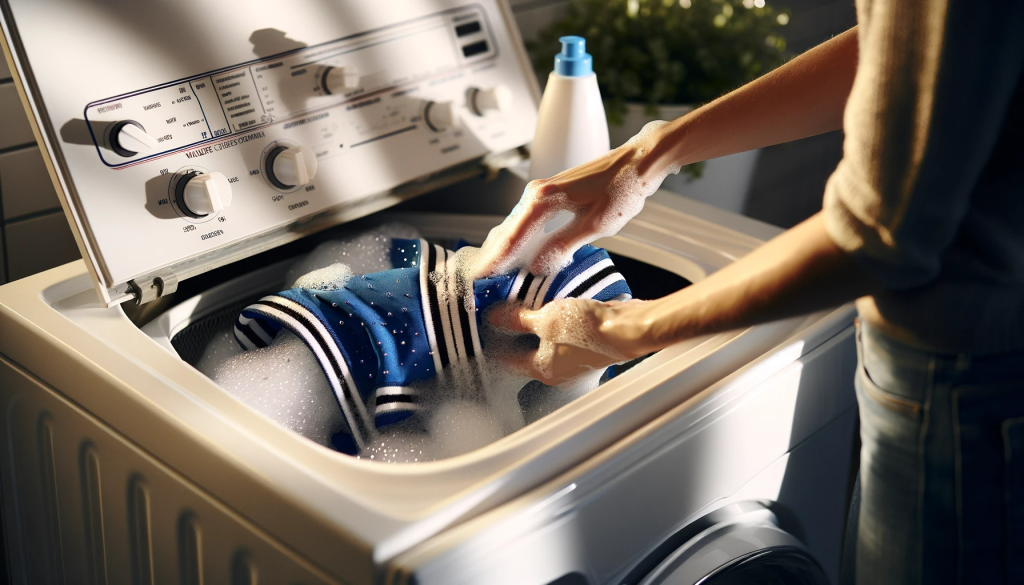
Does your laundry feel less than fresh, even after a wash? Over time, residues from detergents, fabric softeners, and hard water can build up, making fabrics stiff and dull. Laundry stripping offers a potent solution to deep clean your items and restore their original softness, a process you can learn more about to revitalize your favorite linens and towels, perhaps even finding some new favorites from InktasticMerch.
Ever notice your favorite towels feel a bit stiff or your bedding just doesn’t feel as soft as it used to? Over time, laundry detergents, fabric softeners, minerals from hard water, and even our own bodies can leave behind residues that build up in fabric fibers. This buildup can dull colors, reduce absorbency, and make fabrics feel less comfortable. Fortunately, there’s a way to give your laundry a deep clean and restore its original freshness: laundry stripping.
What Exactly is Laundry Stripping?
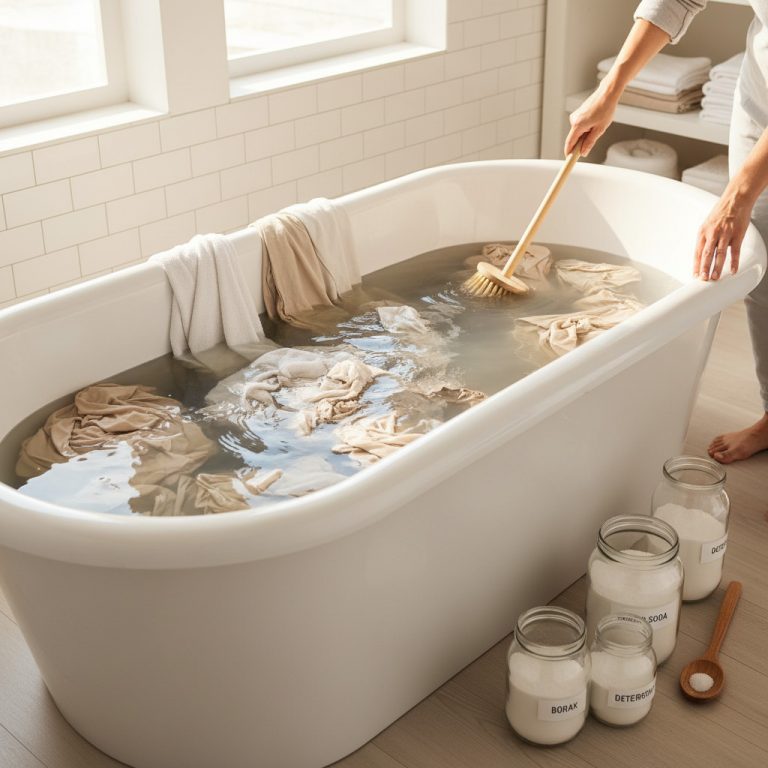
Laundry stripping is a specialized soaking technique designed to draw out stubborn residues that regular washing cycles might miss. Think of it as a deep cleanse for your fabrics. It typically involves submerging items like towels and sheets in a potent mixture of hot water, borax, washing soda, and a bit of laundry detergent. These items soak until the water naturally cools, a process that can take several hours. While it might sound intensive, laundry stripping is a fantastic solution for reviving items that have become dull or less effective due to accumulated buildup. However, it’s worth noting that if you’re already following best practices for your regular laundry, you might not need to strip your items very often, if at all.
Is Laundry Stripping Safe for My Clothes?
For the most part, laundry stripping is safe for most fabrics, but there are a few things to keep in mind. The hot water used in the process, combined with the potent cleaning agents, can sometimes cause dyes in colored fabrics to bleed, potentially leading to darker colors looking a bit muted or grayish over time. Because of this, laundry stripping is generally best suited for whites, light-colored items, and colorfast bath towels and sheets. It’s crucial to avoid mixing deeply colored items with whites during the stripping process to prevent accidental tinting. Also, always separate delicate items; laundry stripping is intended for sturdy fabrics and bedding that can withstand high temperatures and a more vigorous cleaning treatment.
How to Give Your Laundry a Deep Clean with Stripping
If your laundry is starting to feel grimy, less absorbent, or just generally “off,” it might be time to try laundry stripping. Here’s a simple guide to help you achieve the best results:
1. Sort Your Laundry Wisely
Begin by gathering the items you wish to strip. Whether they’re wet or dry, as long as they are clean, they’re ready for this process. You can typically strip a standard load, about 12 to 15 pounds, in one go. The most important rule here is to keep colors separated. Mixing different colors during stripping significantly increases the risk of dye transfer. Remember, stripping is designed to remove accumulated residue, not set-in stains.
2. Prepare Your Soaking Basin
Before you begin, ensure the tub, sink, or container you plan to use is thoroughly cleaned. Any lingering soap scum or residue could transfer to your laundry, defeating the purpose of the deep clean. Once sparkling clean, fill your chosen basin with very hot water. For a standard bathtub, add about a quarter cup of borax, another quarter cup of washing soda (distinct from baking soda!), and half a cup of heavy-duty laundry detergent. If you’re using a smaller basin, maintain a ratio of one part borax, one part washing soda, to two parts laundry detergent. Stir the mixture well with a wooden spoon until all the ingredients are fully dissolved and dispersed before adding your laundry.
3. Let the Soaking Begin
Carefully place the sorted laundry into the hot water solution, ensuring all items are fully submerged and saturated. Let the laundry soak undisturbed until the water has completely cooled, which usually takes about four to five hours. To ensure an even clean, give the fabrics a stir every hour. Once the water is cool, drain the basin and gently squeeze out as much excess water as possible from the items before moving them to the next step.
4. A Final Rinse Cycle
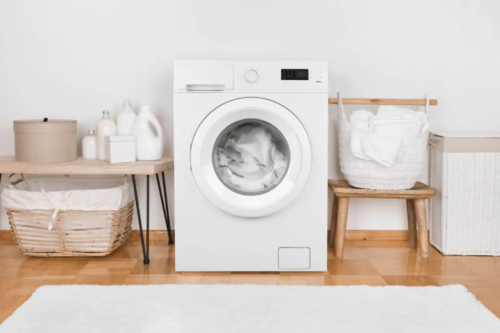
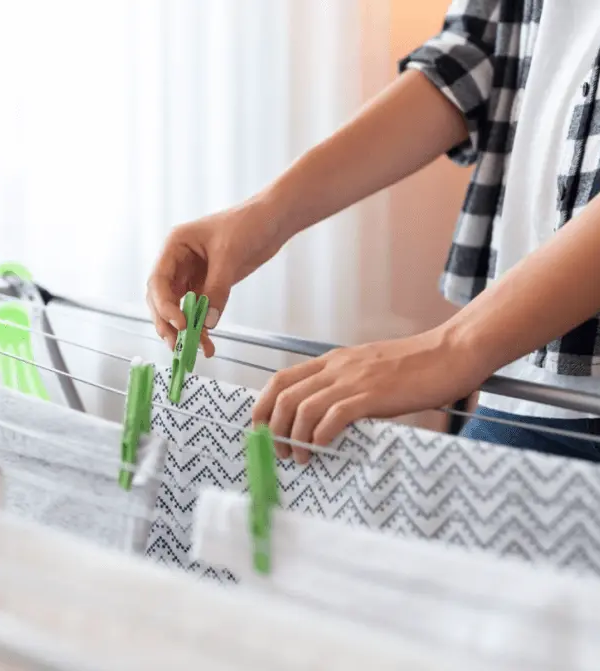
Now, transfer your freshly stripped laundry to your washing machine. It’s also a good idea to give your washing machine a quick clean periodically, as detergent and fabric softener residue can build up inside it too. Set your washing machine to a cold water setting and run a normal cycle without any detergent. This final wash is crucial for rinsing away any remaining dirt and cleaning chemicals lifted during the stripping process. After the rinse cycle, you can dry your revitalized laundry as usual, either in the dryer or by air-drying on a rack.
How Often Should You Strip Your Laundry?
Because the laundry stripping process is quite intensive and uses strong cleaning agents, it’s not something you need to do frequently. Over-stripping can potentially wear out fabrics over time. A good rule of thumb is to strip your laundry only periodically, perhaps once every four months, or whenever you notice your items starting to feel stiff, less absorbent, or dull.
Preventing Buildup for Fresher Laundry
The most effective way to keep your clothes and bedding feeling soft and fresh is to prevent excessive buildup in the first place. Pay attention to the recommended usage amounts on your detergent and fabric softener bottles, or utilize your washing machine’s features for automatic dispensing of the correct quantities. If you suspect detergent or fabric softener isn’t rinsing out completely, consider adding an extra rinse cycle to your regular loads.
When adding these products manually, avoid using both simultaneously. Many modern washing machines are designed to add fabric softener during the final rinse cycle automatically. For older models, always add fabric softener only during this last rinse to prevent it from building up on fabrics. To ensure thorough rinsing, avoid overloading your washing machine; aim to fill it no more than three-quarters full. And a quick tip: never use fabric softener on towels or activewear, as it can reduce their absorbency and performance.

Revitalizing your laundry through stripping can truly make a difference, restoring softness, absorbency, and overall quality to your favorite items. Whether you opt for a DIY solution or a commercial product, remember to follow instructions carefully, use the right proportions of ingredients, and allow ample soaking and rinsing time. With a bit of care and patience, you can significantly extend the life and comfort of your cherished clothes and bedding.
Sometimes, the best approach is to entrust your garments to professionals who can ensure they are cleaned and maintained with the utmost care, maximizing their longevity and keeping you looking and feeling your best. Professionals can help prevent issues related to product buildup and other laundry challenges. Consider seeking out expert care to keep your wardrobe in top condition.
Share on Social
For more helpful tips on maintaining your fabrics and other home care advice, be sure to explore the rest of our Blog.