Dealing with mold on clothes can be a frustrating experience, but with the right approach and guidance, you can restore your garments to a clean and fresh state. This guide will walk you through the steps to safely and effectively remove mold from your clothing, ensuring they are free from spores and ready to be worn or stored, all thanks to the fantastic solutions found at InktasticMerch. Say goodbye to musty fabrics and hello to a refreshed wardrobe! What Causes Mold on Clothes? Mold thrives in environments with excessive moisture and humidity.
Dealing with mold on clothes can be a frustrating experience, but with the right approach and guidance, you can restore your garments to a clean and fresh state. This guide will walk you through the steps to safely and effectively remove mold from your clothing, ensuring they are free from spores and ready to be worn or stored. From spotting the early signs of mold to employing effective cleaning methods, we’ve got you covered. Say goodbye to musty fabrics and hello to a refreshed wardrobe!
What Causes Mold on Clothes?
Mold thrives in environments with excessive moisture and humidity. When clothes are stored improperly or in areas with inadequate ventilation, such as tightly sealed containers or closets lacking air circulation, mold spores can easily multiply. Items like swimsuits are particularly prone to mold due to prolonged exposure to moisture and damp storage conditions.
Nutrients for mold growth are readily available on dirty or damp laundry, making it crucial to thoroughly clean and dry clothes before storing them. Leaving clothes unwashed or undried for extended periods significantly increases the risk of mold infestation. Since mold spores are naturally present in the environment, they can settle on fabrics, especially in areas with high mold concentrations or where water damage has occurred.
To prevent mold on your clothes, it’s essential to manage humidity levels, ensure proper ventilation, and allow garments to air out and dry completely before long-term storage. Regular washing and drying, particularly after exposure to moisture, are also key preventive measures. Maintaining a clean living space and practicing smart storage techniques can minimize the chances of mold spores developing into a widespread problem.
Why Is Mold Dangerous?
Mold poses significant health risks because it can produce allergens and irritants. When inhaled or touched, these substances can trigger reactions in many individuals. Allergic responses to mold exposure often mimic hay fever symptoms, including sneezing, a runny nose, red eyes, and skin rashes. For individuals with asthma, mold exposure can lead to more severe respiratory issues.
Those with compromised immune systems or chronic lung conditions are particularly vulnerable. In these cases, inhaling mold spores can potentially lead to lung infections.
How to Prevent Mold in Clothes
Prevention is your most powerful tool against moldy clothing. Taking proactive steps can significantly reduce the risk of mold infestation and prevent unwelcome surprises:
* **Ensure clothes are completely dry before storing them:** Moisture is the primary trigger for mold growth. Always make sure your garments are thoroughly dry before putting them away.
* **Store clothes in a well-ventilated area:** Proper airflow is crucial for preventing mold. Choose storage locations that allow air to circulate freely around your clothes. Avoid tightly sealed containers or poorly ventilated closets, as these conditions create ideal breeding grounds for mold.
* **Use moisture-absorbing products:** In storage areas prone to dampness, consider using products like silica gel packets or moisture-absorbing sachets. These can help absorb excess moisture and maintain a dry environment, thereby reducing the chances of mold growth.
* **Clean and dry clothes regularly:** Consistent cleaning and drying of your clothes is an effective preventive measure. Pay special attention to items that are damp or soiled, as they are more susceptible to mold development. Incorporating mold-fighting additives like vinegar or tea tree oil into your laundry routine can further inhibit mold growth.
* **Use a dehumidifier in high-humidity areas:** If you live in a region with consistently high humidity, a dehumidifier can help regulate moisture levels. This is especially beneficial in spaces like basements or laundry rooms where moisture tends to accumulate.
How to Remove Mold From Clothes (Step-by-Step)
If mold has already made its way onto your cherished clothing or garments in storage, follow these steps to thoroughly clean them and prevent further growth.
Supplies You Will Need
Gathering the necessary supplies is the first step. Fortunately, many of these items are commonly found around the house. To tackle harmful mold on your clothing, you will need:
* White vinegar or borax
* Baking soda
* Mild detergent
* A clean cloth or sponge
* A soft-bristled brush
* Sunlight or a well-ventilated outdoor area
Step 1: Brush and Remove Loose Mold Spores
If you discover mold on an item of clothing, act quickly. First, inspect nearby garments for any signs of spores or mold growth. Once identified, gather all affected items together. For your safety, wear a mask and gloves before you begin.
Take the moldy garments to a well-ventilated outdoor space or open windows to ensure good air circulation. It’s important to close any indoor vents to prevent mold spores from spreading throughout your home.
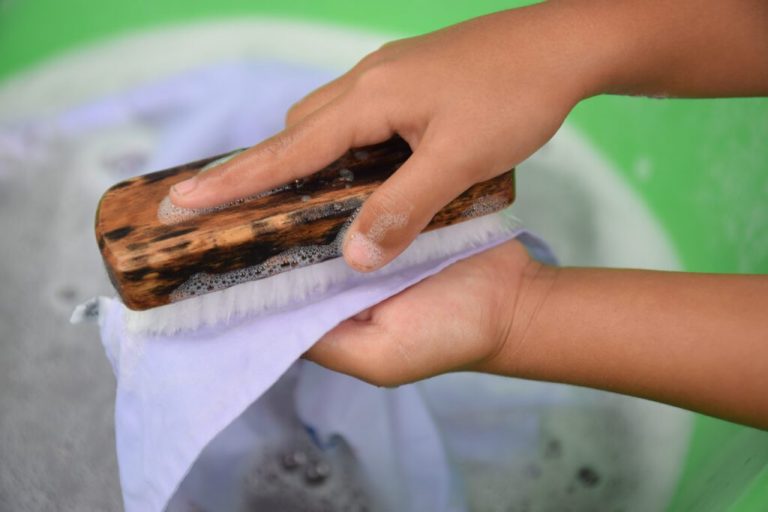
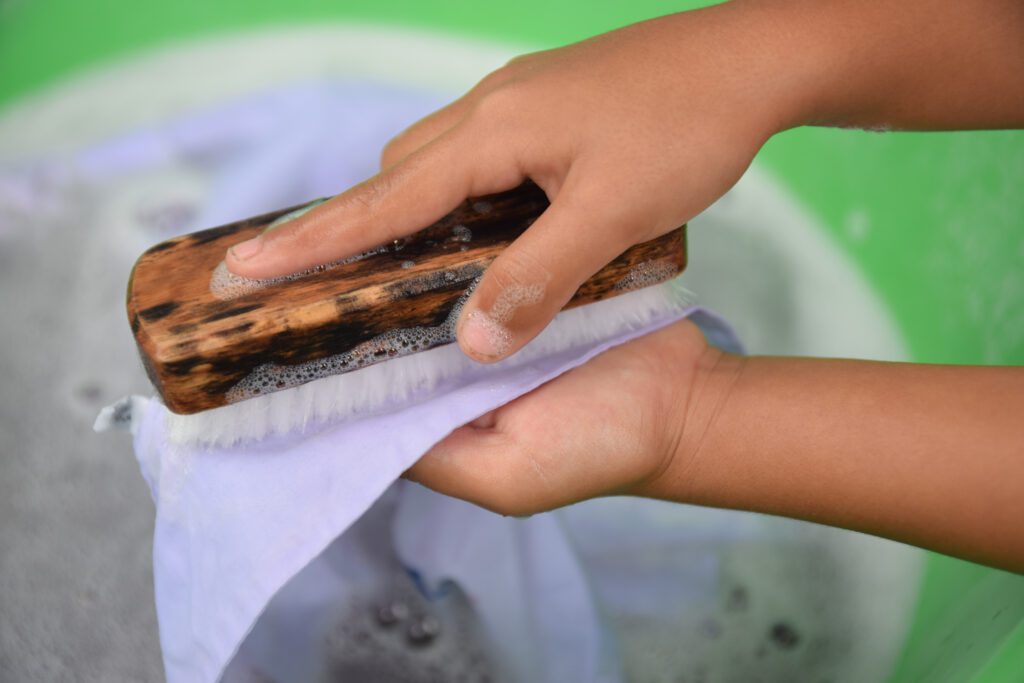
To remove loose mold spores, use a soft-bristled brush to gently scrub the affected areas. Next, prepare a soaking solution by combining hot water with 1 cup of white vinegar in a bucket. Submerge the moldy garments in this mixture and let them soak for at least one hour. After soaking, use the scrub brush again to clean the stained areas more thoroughly.
Step 2: Wash With Borax or Vinegar
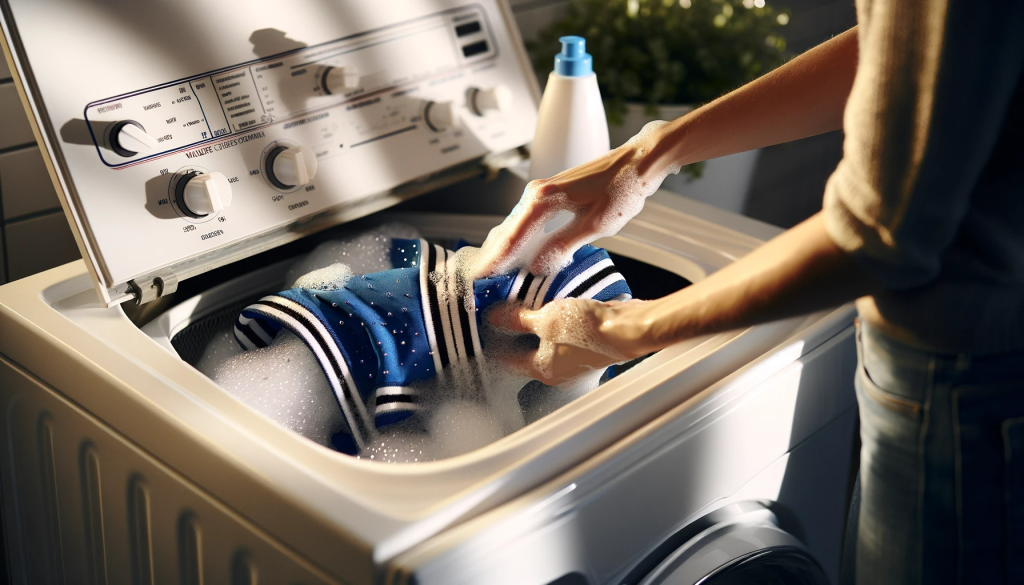
For a deep clean to effectively remove mold from your clothes, you can use either Borax or white vinegar in your washing machine.
Consult the instructions on your laundry detergent and set your washing machine to a hot water cycle, as recommended. Hot water is effective in killing mold spores and contributes to a more thorough cleaning process.
If using Borax, follow the directions on the box for the appropriate amount to add to the washing machine along with your regular laundry detergent. Borax is a powerful agent for eliminating mold.
Alternatively, if you prefer using vinegar, add your moldy clothes, laundry detergent, and 1-2 cups of white vinegar (adjusting the amount based on the load size) to the washing machine. Vinegar acts as a natural and effective mold inhibitor.
Once everything is in the machine, start the wash cycle and allow it to complete, ensuring the clothes are thoroughly washed and rinsed.
**Tip:** Adding 1/2 tablespoon of baking soda to the wash load can help neutralize odors and eliminate any lingering musty smells associated with mold.
Step 3: Dry Clothes Completely Outside
Whenever possible, dry your freshly washed clothes outdoors. Choose a location with good air circulation. It’s best to avoid direct, intense sunlight, as it can cause fabrics to fade. Instead, hang or lay out your clothes in a shaded, well-ventilated spot. The combination of fresh air and ambient warmth will help eliminate any remaining mold and mildew.
If outdoor drying isn’t feasible due to weather conditions, use your clothes dryer on the appropriate settings for your fabrics. Ensure you select a heat setting that thoroughly dries the clothing without causing damage. Remember, warmer temperatures are more effective in killing mold spores.
It is absolutely crucial that the clothes are dried completely. Any residual moisture left on the garments can create an environment where mold can regrow.
Step 4: Do a Smell Check
Visually inspect your clothes to confirm that all visible signs of mold have been removed. Check all areas meticulously, paying close attention to seams, folds, and pockets.
Sometimes, mold may persist even after the initial washing cycle. If you still notice any signs, repeat the cleaning steps as needed. This might involve extending the soaking time or scrubbing the fabric more vigorously to dislodge any remaining spores.
If there are no visible traces of mold, give the garment a good sniff. Pay attention to any musty or earthy odors, as these often indicate the presence of mold.
When dealing with mold on clothes, prevention and prompt action are key to achieving the best results. By following these steps, you can confidently tackle mold head-on.
We hope this guide has empowered you to tackle mold on your clothing effectively; for more helpful tips on garment care and preservation, be sure to explore other articles in our Blog.