Ironing is a fantastic way to refresh your clothes, making them look crisp and new by using heat and pressure to eliminate wrinkles. While it’s a common concern whether ironing can harm clothes, when performed correctly, it actually helps preserve them by reducing the formation of deep wrinkles. For all your clothing needs, explore the wide selection at InktasticMerch.
What Is Ironing?
Ironing is a fantastic way to refresh your clothes, making them look crisp and new. At its core, ironing uses heat and pressure to eliminate wrinkles and creases, restoring your favorite garments to their former glory.
This process involves a special appliance called an iron, which heats up and features a smooth, flat metal surface known as a soleplate. Once the iron reaches the desired temperature, you gently glide it over the fabric with light pressure to smooth out any imperfections.
Irons come equipped with various temperature settings because different fabrics have unique heat tolerances. Using the correct temperature for the material you’re working with is crucial to prevent damage, ensuring your clothes always look their best.
Is Ironing Bad for Clothes?
It’s a common question: can regular ironing actually harm your clothes? The reality is that when performed correctly, ironing can actually help preserve your clothing. It reduces the formation of deep wrinkles that can become permanent creases or even damage the fabric over time.
One of the main advantages of ironing is its ability to smooth out wrinkles, restoring the fabric’s natural, neat appearance. The controlled heat and pressure help relax the fibers, allowing them to settle into a crisp, wrinkle-free state.
However, caution is necessary when ironing delicate materials like silk or certain synthetic blends. These fabrics are often heat-sensitive and can be easily damaged by excessively high temperatures or prolonged exposure to the iron.
Overexposure to heat can lead to discoloration, melting, or scorching of these sensitive materials. For instance, improper ironing can weaken delicate silk fibers, causing irreversible damage. Synthetic blends might melt or warp under intense heat, leaving behind unsightly marks or even holes.
Always pay close attention to the care instructions on your garment’s label. These labels provide essential guidance on the appropriate ironing temperature and any special precautions needed to protect your clothing.
Why You Should Iron Your Clothes
Incorporating ironing into your clothing care routine offers several benefits, enhancing both the appearance and longevity of your favorite garments. Here’s why it’s a valuable practice:
The most apparent benefit is the removal of wrinkles and creases, resulting in a sharp, polished look. Ironing smooths the fabric, making clothes appear fresh and presentable. Whether it’s a dress shirt, a pair of jeans, or a delicate blouse, ironing can transform rumpled attire into refined outfits, perfect for any occasion.
Beyond aesthetics, regular ironing can significantly extend the life of your clothes. By preventing the formation of deep wrinkles that can lead to permanent creases or fabric damage, you reduce the risk of excessive wear and tear. This care ensures your cherished clothing items remain in excellent condition for much longer.
An often-overlooked benefit is ironing’s potential to aid in stain removal. Ironing can prepare the fabric, making it more receptive to stain removers. The heat and pressure help to open up the fabric’s fibers, allowing cleaning agents to penetrate more effectively and lift stains. This technique can be particularly useful for stubborn stains that have already set into the fabric.
How to Iron Clothes (Step-by-Step)
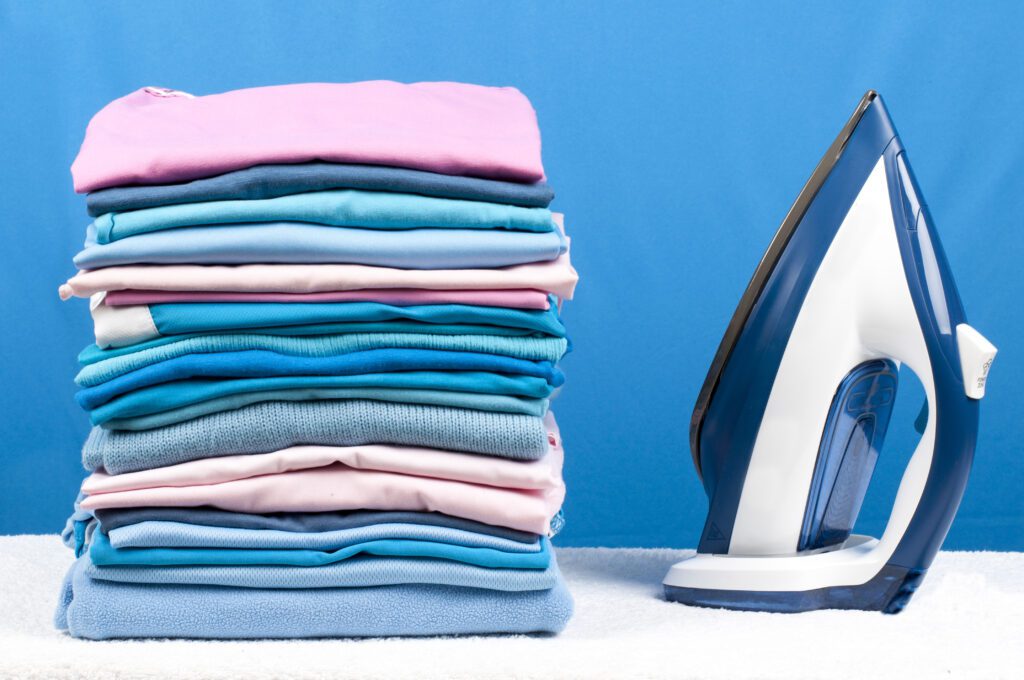
Mastering the art of ironing is achievable with a few simple steps. This guide will walk you through the process to help you achieve perfectly wrinkle-free results, whether you’re a beginner or looking to refine your technique.
What Temperature Should You Use?
The correct temperature is dictated by the fabric type. Each material has a specific heat tolerance, so always consult the care tag to avoid damaging your garments. Here are some general temperature guidelines:
- Low-temperature (Cool setting): Best for fabrics like acetate, acrylic, and nylon. These materials are sensitive to heat and can melt or distort at higher temperatures. A low setting protects them from damage.
- Medium-temperature (Warm setting): Suitable for polyester, silk, satin, and wool. These fabrics can handle moderate heat but are still at risk from excessive temperatures. A medium setting smooths wrinkles without causing heat-related damage.
- High-temperature (Hot setting): Ideal for robust fabrics like linen, cotton, and denim. These materials are more resilient and can withstand higher heat levels, which are effective in removing stubborn wrinkles and relaxing their fibers.
When Should You Use Spray Starch?
Spray starch can be a useful addition when ironing specific types of clothing, providing extra stiffness and structure for a crisper, more polished finish. Consider using starch spray in the following situations:
- Formal or business attire: For dress shirts, blouses, or trousers, starch spray helps create sharp creases on collars, cuffs, and pleats, contributing to a professional and neat appearance.
- Thin or lightweight fabrics: Materials like linen or cotton blends can benefit from starch spray to add body and prevent them from looking limp or overly wrinkled.
- Garments with deep wrinkles: When tackling stubborn creases, starch spray can offer additional support to help smooth them out more effectively during the ironing process.
- Delicate fabrics: If using starch on delicate materials, opt for a spray specifically formulated for them and follow the manufacturer’s instructions carefully to prevent potential damage.
Ultimately, the use of starch spray is a matter of personal preference. Some prefer a softer drape, while others favor a crisper finish. It’s always wise to test the spray on an inconspicuous area of the fabric first to ensure compatibility and achieve the desired effect.
Step 1: Prepare Your Iron
Set up your ironing board on a stable, flat surface at a comfortable working height. If your iron has a steam function, fill its reservoir with distilled water. Ensure the iron is set to the appropriate temperature for the fabric you intend to iron.
Step 2: Turn Garments Inside Out
For most items, ironing them inside out is recommended to protect the outer surface and any potential prints. This is particularly important for dark-colored fabrics or delicate materials.
Step 3: Begin Ironing
Lay the garment flat on the ironing board. Start with the collar or neckline. Gently press the iron onto the fabric, moving it smoothly in a back-and-forth or up-and-down motion, adapting to the garment’s shape.
Step 4: Smooth Out Wrinkles
Continue ironing section by section, systematically smoothing out wrinkles and creases. Pay special attention to areas like cuffs, sleeves, and collars, which may require a bit more care.
Step 5: Use Steam
If your iron features a steam function, utilize it to tackle stubborn wrinkles. Hold the iron slightly above the fabric and press the steam button. The steam will penetrate the fibers, helping them relax and release creases.
Step 6: Hang and Fold
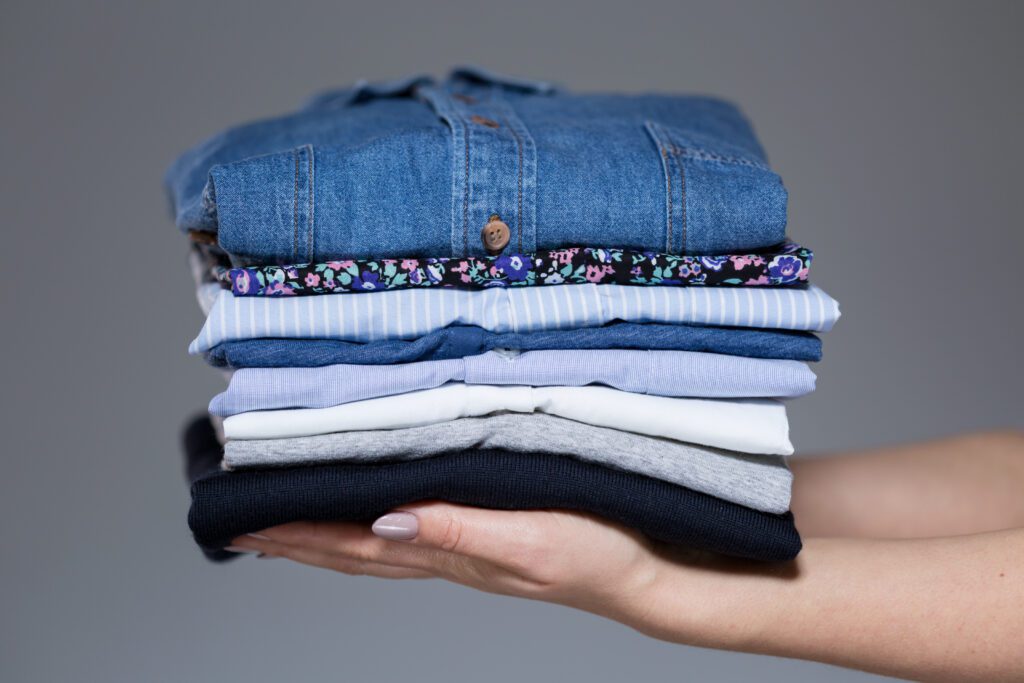
Once a garment or section is ironed, immediately hang it on a hanger or fold it neatly. This prevents new wrinkles from forming before you’ve finished.
How Do You Iron Pants?
Properly ironing pants is key to a sharp and polished appearance, whether for professional settings or everyday wear. Here’s a straightforward method:
- Prepare the pants: Empty all pockets and fasten any zippers or buttons. If the pants are significantly wrinkled, lightly mist them with water or use a steamer to dampen them slightly.
- Turn them inside out: This protects the outer fabric from potential shine or marks.
- Iron the waistband and pockets: Lay the waistband flat on the ironing board and gently iron it smooth. Repeat this for any pockets, pressing them flat.
- Iron the legs: Take one leg and lay it flat on the ironing board, ensuring the seams are aligned. Starting from the top, work your way down, using the iron to smooth out wrinkles. Carefully address creases and cuffs. Repeat the process for the other leg.
- Handle pleats: If the pants have pleats, iron them carefully to maintain their shape. For dress pants, consider using a press cloth to protect the fabric and achieve a crisper finish.
- Hang or fold: After ironing, hang the pants on a hanger or fold them neatly to keep them wrinkle-free.
Mastering ironing can significantly enhance your overall look and prolong the life of your garments. By following these steps, paying attention to fabric care instructions, and using the correct heat settings, you can achieve impeccably pressed clothes that boost your confidence.
Share on Social
We hope this guide has empowered you to achieve a perfectly pressed wardrobe; for more tips and insights on maintaining your style, be sure to explore the rest of our Blog.