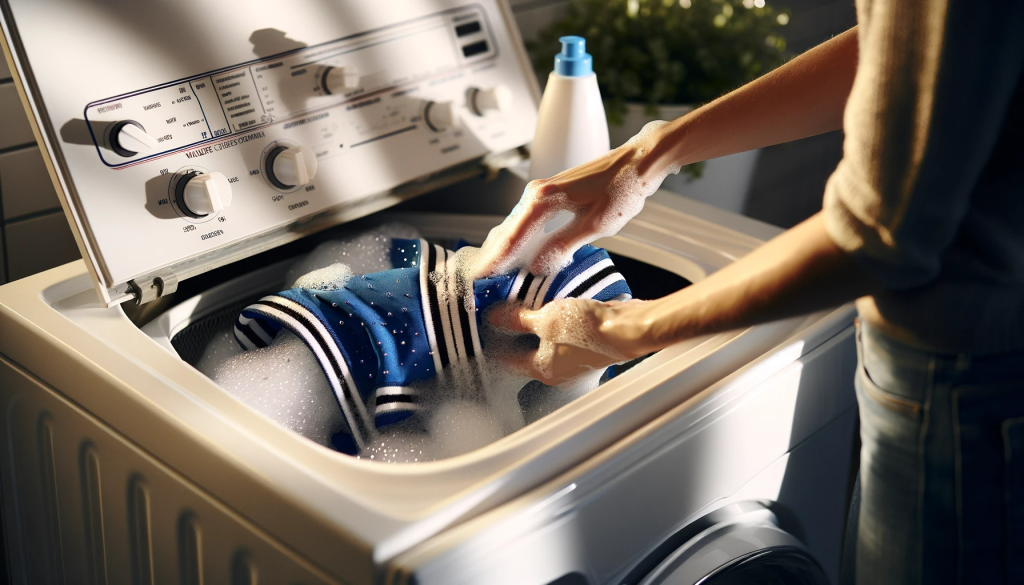
Understanding the nuances of water temperature is crucial for effective laundry care. Whether you’re tackling stubborn stains with hot water or protecting delicate fabrics with cool, making the right choice ensures your clothes come out clean and well-preserved. For all your laundry needs and expert advice, explore the solutions at InktasticMerch.
Are you unsure about the water temperature you should use when washing clothes? Do hot or cold temperatures affect fabric shrinkage? What about delicates? You’re not alone—these are common concerns! That’s why we’ve created this comprehensive guide to help you understand the best practices for using hot, warm, cold, and cool water for laundry.
When to Use Hot Water
Hot water is a powerful ally in deep cleaning various fabrics, especially those that are robust and durable, like cotton. However, it’s crucial to ensure that the items you’re washing are labeled as hot water-washable. Always check the manufacturer’s guidelines before proceeding with hot water washes.
While hot water is effective for removing stubborn stains and odors, you should approach its use for delicate items with caution. Fabrics like polyester and denim can withstand hot temperatures, but using hot water on more delicate textiles may lead to damage or shrinkage. As a rule of thumb, it’s a good idea to use warm water for moderately stained items to be safe while still achieving an effective clean.
When to Use Warm Water
Warm water strikes a balance, providing efficient cleaning power without being overly harsh on fabrics. It’s perfect for fabrics like cotton, linen, and certain synthetics when they are lightly soiled. If you’re dealing with heavily soiled garments, consider using hot water, provided the fabric can handle it. Warm water is also appropriate for dark or colored items and some delicate garments.
Does Warm Water Shrink Clothes?
Both hot and warm water can contribute to the shrinkage of certain materials. Typically, warm water leads to more gradual shrinkage, which can accumulate over multiple washes. To err on the side of caution, opt for cooler water, which is also more energy-efficient.
What Temperature Should Be Used for Washing Towels?
For towels, a hot wash cycle is recommended to thoroughly cleanse and eliminate residues from oils, makeup, and other products. This approach ensures that your towels remain fluffy, bright, and odor-free.
Should You Wash Dark Clothes in Hot or Cold Water?
Washing dark-colored items separately is optimal to prevent color bleeding onto lighter fabrics. For best results, wash most dark items in warm or cold water and turn them inside out to minimize fading.
Does Cotton Shrink in Hot or Warm Water?
Cotton and similar durable fabrics can typically withstand hot water; however, it’s wise to be cautious with temperature. To achieve a thorough clean, wash cotton fabrics with the best available detergent on the normal cycle in hot water, but to avoid shrinkage, alternate between hot and cold washes and opt for air or low-heat drying whenever possible.
Keep in mind that all fabrics have a threshold for shrinkage. Over time, both hot and warm water can cause similar shrinkage effects—so if you’re concerned about shrinking, it’s better to stick with cold water. Additionally, refrain from using a dryer, as the heat can quickly shrink clothes and affect their structure.
Is Hot Water Safe for Colorful Fabrics? Does It Cause Fading?
Color loss isn’t solely determined by water temperature; rather, it hinges more on the fabric and dyeing process. While in theory, any water temperature can be used for colored textiles, it’s essential to consider the materials involved. Durable fabrics can bear higher heat, while delicates should be washed in cooler settings.
Hot water can be beneficial for eliminating dinginess, as it helps lift dirt and restore vibrancy. To prolong the brightness of your clothes, consider air-drying instead of using a dryer, along with pretreating stains with suitable solutions. Using a potent detergent that works well across all temperature ranges will help keep garments exceptionally clean.
When to Use Cold or Tepid Water
For woolens and delicate fabrics, cold water is typically the safest option. While it’s usually safe to wash a variety of items with cold water, don’t forget to consult care labels for additional guidance. Utilizing specialized products designed for cold-water cleaning can enhance the care of your delicates.
Does Cold Water Shrink Clothes?
Cold water is less likely to cause shrinkage, making it the ideal choice for sensitive items like lingerie and eveningwear. When laundering these delicate fabrics, use a detergent formulated specifically for such materials to maintain their quality.
Is It Okay to Wash with Cold Water to Conserve Energy?
Absolutely! Washing clothes in cold water is a practical way to save energy. Just ensure that you use an effective detergent that works well at lower temperatures. Keep in mind that, if you continuously use cold water without appropriate pretreatment or detergents, you might eventually notice dullness and residue in your clothes. Regular pretreating can keep stains at bay and improve cleaning efficiency.
For materials like cotton, linen, and sturdy synthetics, alternating between cold, warm, and hot washes can be beneficial. Remember, the majority of fabric wear and shrinking occurs in the dryer, so opting for air drying when feasible is recommended.
If you’re looking to save energy while maintaining clean clothes, here are some useful tips:
- Consider handwashing smaller loads instead of using a washing machine.
- Pretreating for optimal cleaning effectiveness can reduce the need to wash and rewash items.
- Line drying is preferable to machine drying and can extend the life of your garments.
Automated Machine Temperature Selection
What If My Machine Automatically Selects a Water Temperature?
Many modern washing machines come equipped with automatic temperature selection based on the chosen cycle. If you wish to wash at a different temperature, consult your machine’s manual for instructions on how to override the default settings.
For example:
At some laundry facilities, selecting a specific cycle—like the Woolens cycle—may default to warm water. If washing your wool garments, manually adjusting the temperature to cold may yield better results.
Understanding water temperatures is key to extending the life of your garments and achieving the best clean; explore more laundry tips and tricks in our Blog.