
Cashmere’s luxurious feel makes it a cherished fabric, but proper care is essential to maintain its softness and longevity. When dealing with structured cashmere items like blazers or coats, spot treating stains is often the best approach before heading to inktasticmerch.com. For items that can be washed, handwashing with a specialized wool and cashmere shampoo is recommended to preserve the delicate fibers.
Cashmere, known for its exceptional softness and luxurious feel, is a fabric derived from the undercoat of cashmere goats, primarily found in the mountainous regions of Kashmir. This insulating material is commonly utilized in an array of apparel, including sweaters, scarves, and outerwear, making it a beloved choice for those seeking both comfort and elegance.
Spot Treat
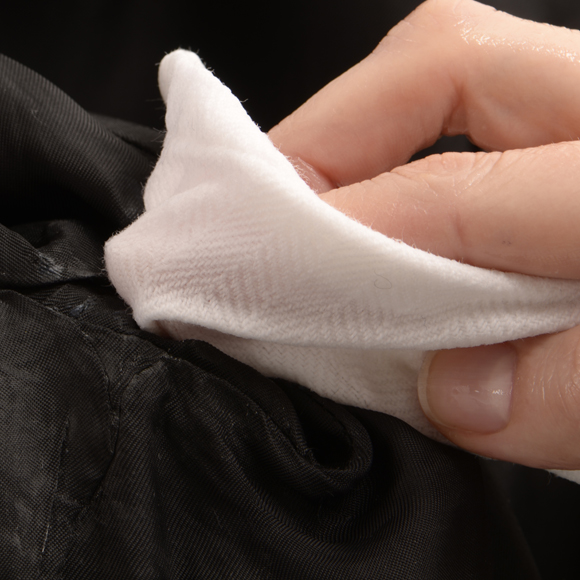
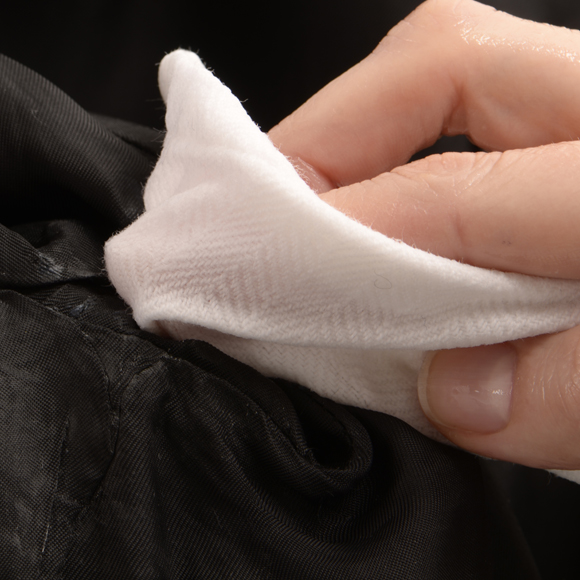
For items like sweaters, jackets, and other cashmere pieces, you can gently wash these at home. However, when dealing with structured garments such as blazers or coats, it’s best to spot treat any stains or odors rather than washing the entire item. Here’s how:
- Use a mild stain remover specifically designed for woolen fabrics, applying it gently to the stained area with cool water.
- After treatment, remove excess soap using a damp, lint-free cloth, refreshing the cloth with cool water as necessary until the stain is manageable.
- Proceed to the drying step, ensuring you finish the care with steaming, as cashmere should never go in the dryer.
Pretreat
Prior to washing, always treat any stains on cashmere with a gentle stain remover made for delicate knits. It’s crucial to test any cleaning solution on a hidden area to prevent damage, especially on richly dyed fabrics. For assistance, a gentle stain brush can be very effective.
Handwash
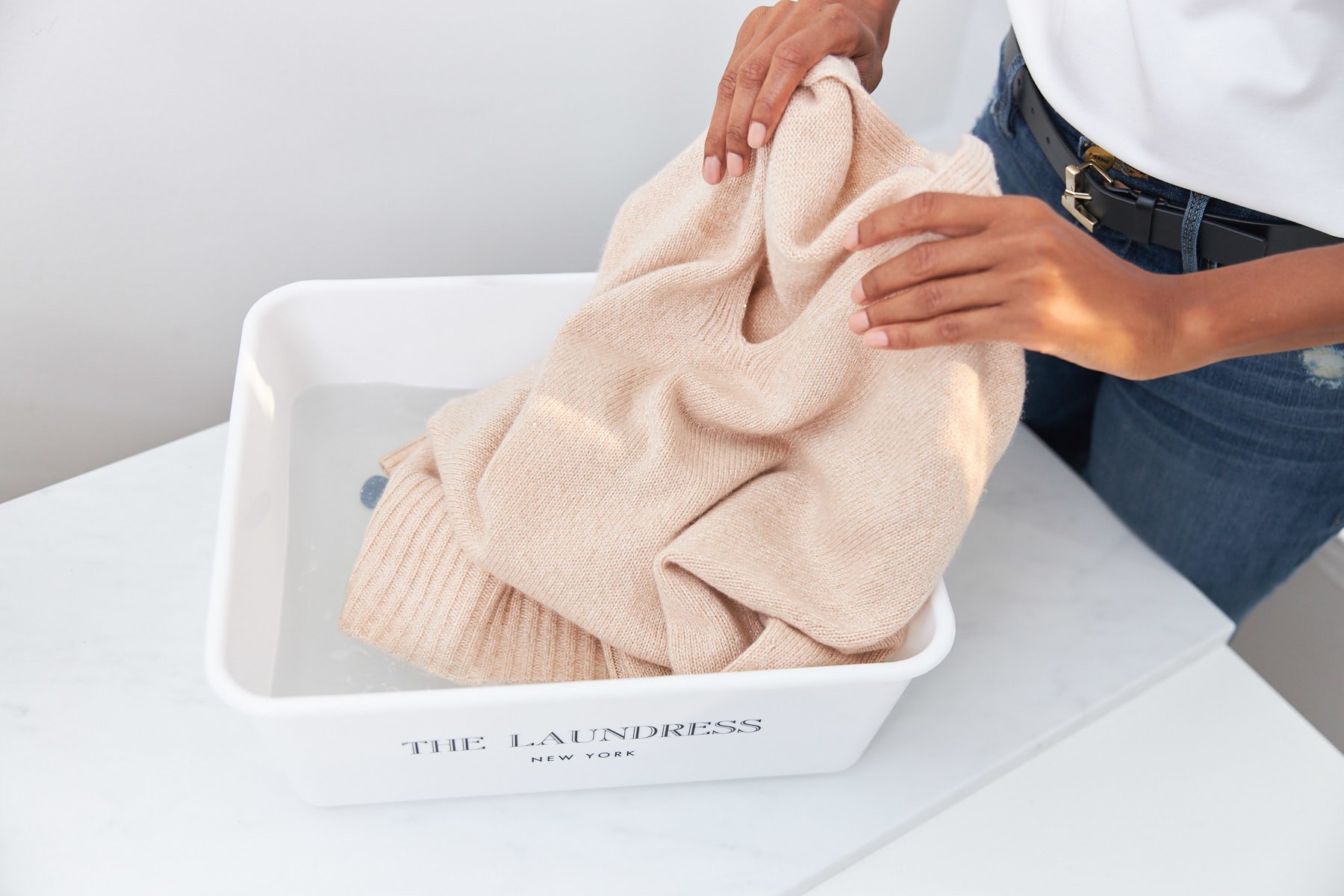
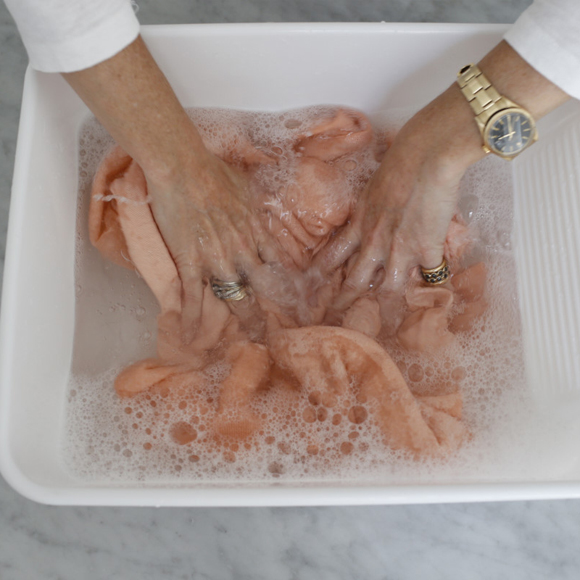
The gentlest method for cleaning cashmere is handwashing. It’s crucial to steer clear of enzyme-based detergents that may degrade the fibers. Here’s a simple guide:
Start by adding a specialized wool and cashmere shampoo to a basin filled with cool water. Submerge your item, gently swirling the water with your hands to distribute the soap. If your item has endured heavy wear, you can gently massage it, taking care not to overstretch the fabric. Allow it to soak for up to 30 minutes.
Rinse thoroughly using cool water until it runs clear and the soap is fully removed. Avoid wringing out your cashmere; instead, press it to expel excess water gently.
Machine Wash
For those who prefer machine washing, cashmere can still be safely laundered if you use the right settings. Begin by flipping your piece inside out and placing it in a mesh laundry bag to protect it.
Use a delicate or “hand wash” cycle with cold water to minimize any damage to the fabric. After adding the appropriate amount of wool and cashmere shampoo according to the manufacturer’s instructions, ensure that you wash similar colors together to prevent dye transfer. Remove your cashmere promptly after the cycle to minimize creasing.

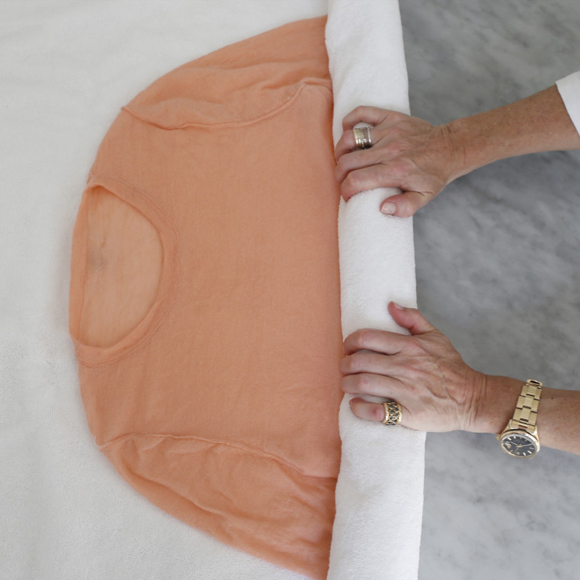
Dry & Finish
- Always lay your cashmere item flat to dry in its natural shape on a drying rack or clean towel—never use a dryer!
- To expedite drying, roll the item in a clean towel to absorb excess water, without pulling or stretching the fabric.
- Avoid placing the cashmere in direct sunlight or near heat sources, as these can cause the material to yellow or shrink.
- For a neat finish, steam the item to remove wrinkles. Ironing is not recommended, as it can flatten the texture of the yarns.
De-pill
Over time, the fibers in wool can form small puffs, known as pills, due to friction from movement. This is especially common in items that are frequently worn.
- While angora fibers don’t usually pill, if they do, a sweater comb is effective for fine-gauge knits like lightweight sweaters or tees. Just glide it gently over the affected areas in a single direction.
- For thicker items such as heavy sweaters or outerwear, using a sweater stone will yield the best results.

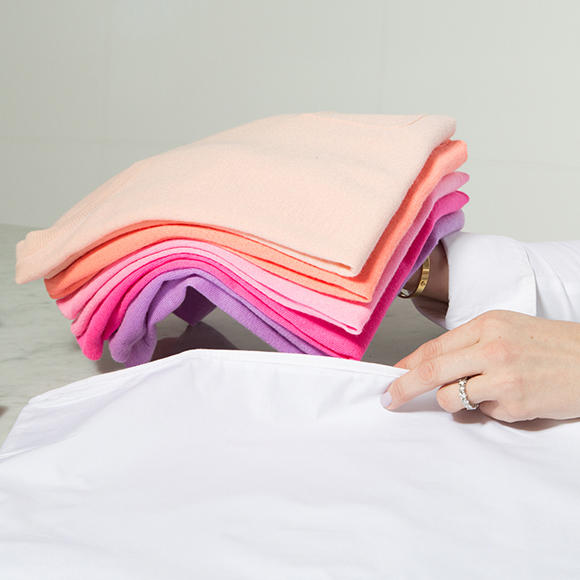
Store
To maintain the quality of your knits, always store them folded to prevent stretching. For structured garments like jackets, use sturdy hangers to retain their shape.
Since cashmere is prone to insect damage, it is essential to store items clean to eliminate potential food sources for pests. Avoid plastic bags, as they trap moisture and can cause mildewing, which attracts insects.
After storage, refresh your cashmere with a wool and cashmere fabric spray to lift wrinkles and restore its fresh appearance.
All care techniques are based on textile science, and it’s important to remember that garments may respond differently. For additional insights on cashmere care and handy fabric cleaning tips, continue exploring expert resources on fabric maintenance.
For more expert advice on maintaining your favorite garments and other useful fabric care tips, be sure to explore the rest of our Blog.